

Wolfram: A Stolen Generation Tale That’s Raw, Gritty & Important
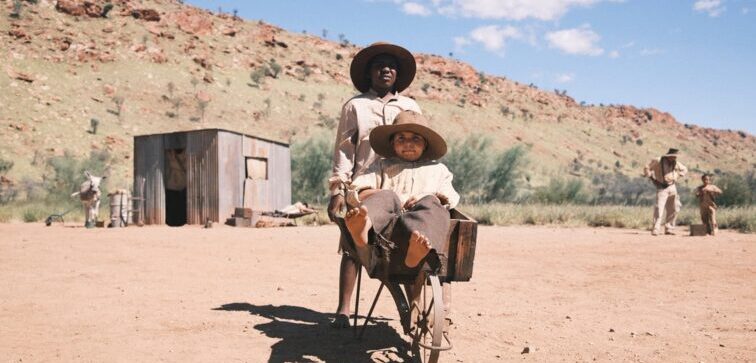
Image: Wolfram
There have been several Australian produced films released into cinemas in the past few months, the latest being Warwick Thornton’s western drama Wolfram, his follow up to Sweet Country (2017) which touched on themes of the stolen generation.
The sequel, which deals more directly with these themes, is set in 1932, four years after the original film. The story delves on an Aboriginal mother who lives in the desert, searching for her two daughters who were stolen by ‘white fellas’, utilised as slave labour and forced to work in the Hatches Creek wolfram mines in the Northern Territory.
The children were mistreated and forced to work with little regard for safety handling dynamite. They escaped into the desert aided by an 18-year-old man but were chased by outlaws.
Will these poor souls, considered as ‘half breed runaways’, who were longing to be reunited with their mother be captured and returned to the station owners?
Ironically, the Aboriginal people were regarded as ‘wild black fellas’ but was it the ‘white fellas’ who were savage, or more aptly, brutally evil?
The mood of this film is disturbingly sombre, raw and gritty. There’s nothing joyous in this narrative which is inspired by true events. There are several graphic scenes of blood-curdling violence suffered by Aboriginal children and adults, so cruel and incredibly authentic that anger and disbelief may be aroused amongst the more sensitive of viewers – many possibly looking away from the screen.
Segments detailing harrowing ‘bush medical procedures’ may compound to the disturbing nature of the film, mostly depressing, but with intermittent moments of mild laughter welcomingly softening the impact of the dark and unsettling elements of the narrative.
The huge cast is headed by Deborah Mailman who plays Pansy, the mother searching for her stolen children. She has minimal dialogue but successfully conveys her character’s emotional plight through body movements and facial expressions. Matt Nable is effective as Billy the brutal mine boss and John Howard also has a supporting role. Erroll Shand’s performance as the overly sadistic outlaw Casey who commits many atrocities to the Aboriginal people is unnerving.
A special mention must be made of the excellent performances delivered by young child actresses Hazel Jackson and Eli Hart who gave honest and moving performances that felt real and deeply human.
High production values are evident, primarily the cinematography that captures the very essence of the Australian sunburnt outback, seemingly transporting audiences to these vast red dirt landscapes under the blazing blue skies.
Many themes resonate; the emotional agony of separation from family, strength and survival in the face of cruelty, stolen childhood and children protecting one another and fending for themselves when failed by adults.
Wolfram is educational and of historical significance, but not quite as powerful as stolen children’s drama Rabbit Proof Fence (2002). The film details a dark chapter in Australia’s history which may have been forgotten by many or perhaps not ever known at all.
***1/2
In Cinemas Now








Leave a Reply