
Can Inner Sydney’s Buses Be Improved?
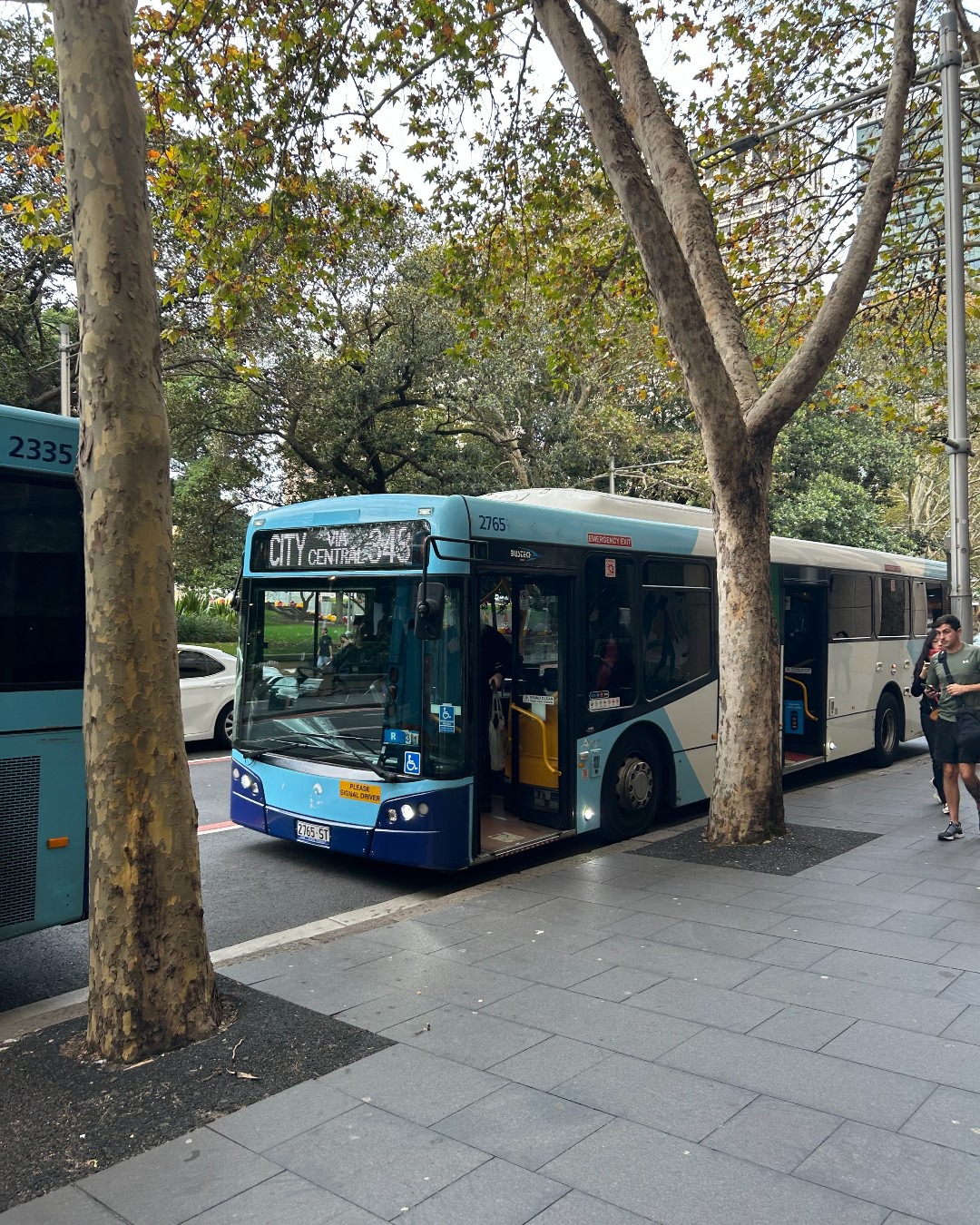
Image: Transport for NSW / Facebook
Every weekday morning, the 438 express sets off from Abbotsford, gradually amassing its battalion of office workers, university students, shoppers, retail employees, and the odd journalist, on its way to Martin Place.
It glides through Five Dock and Haberfield before Leichhardt, where it turns off Norton Street and onto the ‘varicose vein’ that is Parramatta Road. It jostles with other buses, including fellow-express the 461 from Burwood, for the lead as they race between the stops toward Railway Square.
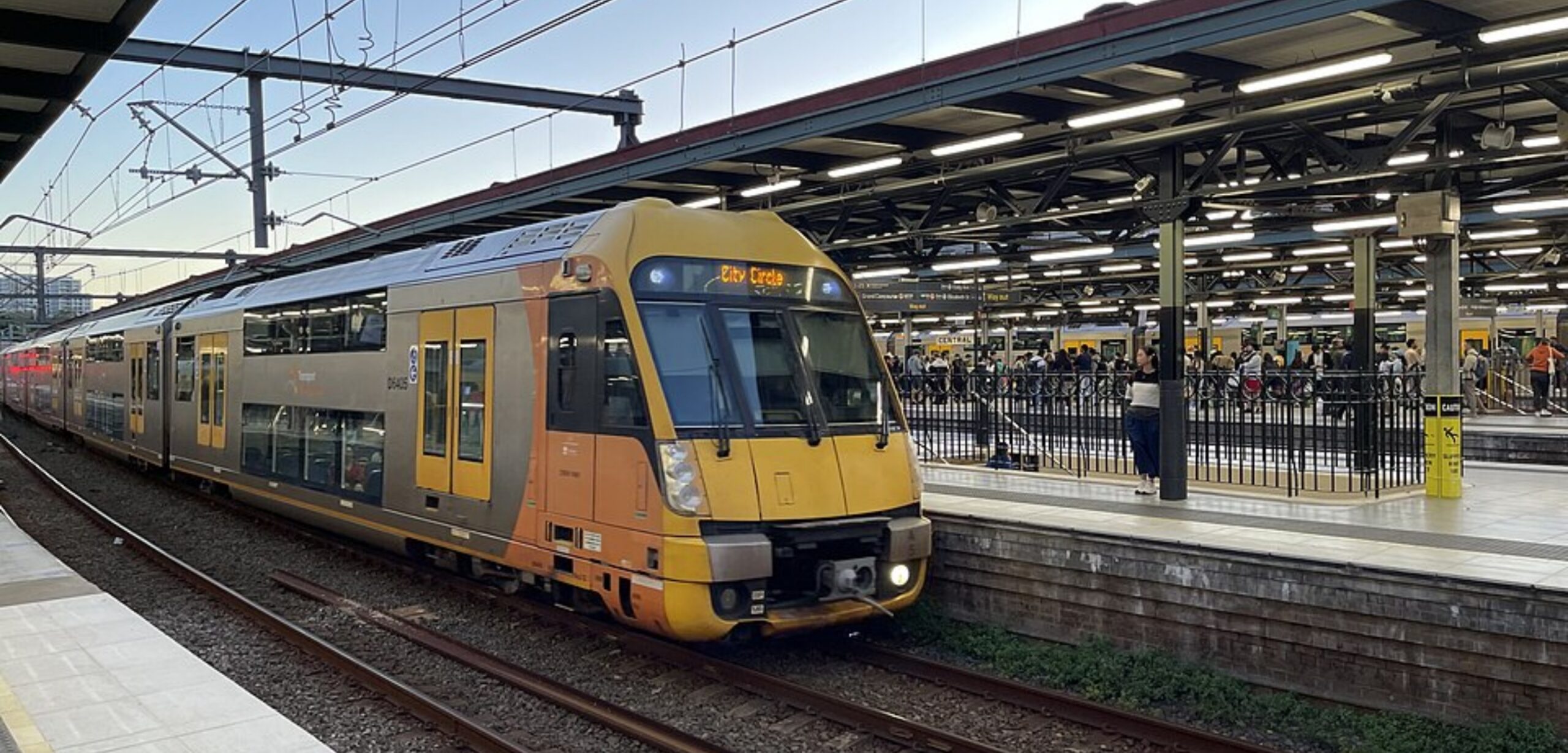
Sydney’s blue-and-white buses join our orange-and-silver trains and green-and-gold ferries as an essential part of our public transport system. Our inner suburbs are criss-crossed by a web of routes like the 438X, or the 370, which in an hour’s time winds its way from Coogee Beach to Glebe Point via Newtown. Buses often trace the path of Sydney’s former tramways, once constituting the largest network in the Commonwealth outside of London.
The Minns Government recently announced that it will reinstate the mammoth route 52 between the city centre and Parramatta via Victoria Road. So then, it must be asked: what of our inner metropolitan buses? Beside the likes of the vaunted B-Line and the returning 52, are they as good as they should be?
New infrastructure and straighter routes
Geoffrey Clifton is Senior Lecturer in Transport and Logistics Management at the University of Sydney Business School. “Anything that improves the frequency, speed and reliability will encourage more people to use bus services,” he said. “This is particularly the case with cross-regional links like the 370.”
“Frequency is obviously attractive for users. Speed is also an obvious benefit, but achieving faster buses means investing more in straighter bus routes, dedicated bus lanes, traffic light priority and separate bus-only roadways where possible.”
“Reliability is often overlooked in Australia. It means if there is supposed to be a bus every 10 minutes, then a bus comes every 10 minutes, rather than waiting half an hour for three buses to show up all at once.”
Franchising done well can help
Infrastructure upgrades allow for improvements to headway, which is the distance or time between buses. “But this is where it gets a bit controversial,” noted Clifton. “Lots of people blame privatisation of bus services for poor service quality. But with private contracts, the Government can set the rules to force operators to keep a reliable service,” with penalties for poor performance.
“In London, the private operators will run an extra bus unpaid just to make sure they avoid fines, and use GPS and radios to ensure buses arrive at the advertised headway.”
Under the franchise models used there and in Sydney, all assets remain publicly owned, but the operation of services is contracted out to private companies. Labor campaigned on ending the arrangement, introduced by the Liberals to the detriment of the former State Transit Authority.
“Reliability also means consistent journey times end to end, and better infrastructure helps here too.”
Comfort is important. Newer, cleaner, quieter buses draw ridership, but only if people know the location of the stop, as well as where they can ride to and when. The T-Way and B-Line offer such visibility — “it will be good to see if the new 52 offers the same.” New South Wales is progressively expanding its electric fleet.
Community on the move
On a golden Sydney evening, you greet the driver as you climb aboard a packed bus. Perhaps it’s the 333 whisking you to the pubs of Oxford Street, or maybe it’s the 440 taking you home to Rozelle. A slice of the city surrounds you. You small-talk about the cramped conditions or the weather and try not to topple onto your neighbour.
A seat frees up. You open a book — then appears an acquaintance, with whom you chat about a mutual friend. This is community. Among all the benefits of public transport, perhaps it is the most vital in our age.
“Cheers, mate,” you holler before stepping off.