
‘Hokum’: A Folksy Horror-Thriller Haunted By Its Own Potential
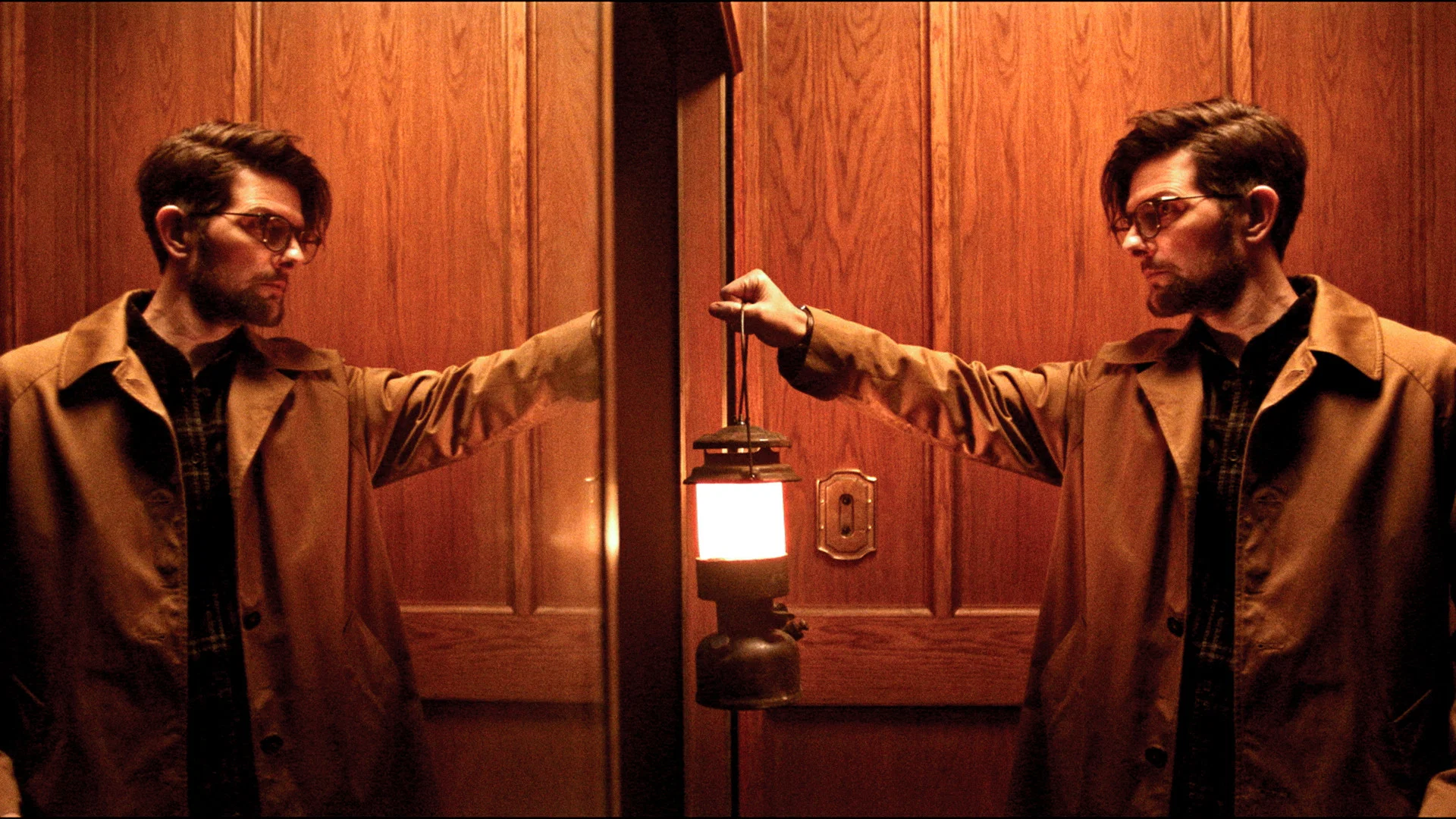
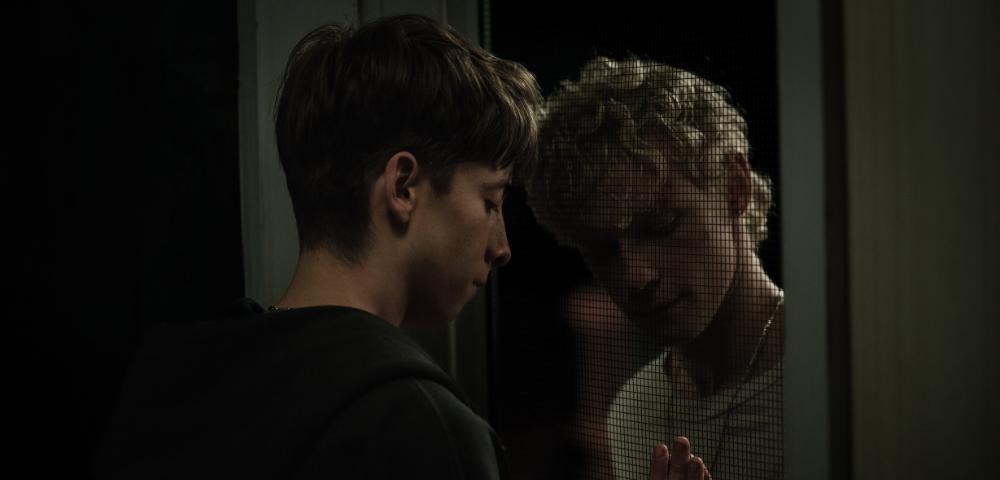
Image: Still from 'Hokum'. Source: TMDB.
An eerie and engaging remote horror, Hokum is ultimately stretched too thin by too many ideas that never quite find each other.
Directed and written by Damian McCarthy, the film follows Ohm Bauman (Adam Scott), a novelist retreating to a remote Irish inn to scatter his parents’ ashes and salvage a failing book.
Local whispers of a child-snatching witch—a woodsy figure from Irish folklore said to drag children into a cave leading to the underworld—begin to creep into his stay alongside visions, dread, and a disappearance that firmly, though very briefly, nudges the film into whodunnit territory.
In fact, there’s a version of Hokum that locks in as a folk-horror cousin to Stephen King‘s 1408 (2007): a damaged writer, a haunted room, and a mind slowly turning against itself. But where the room itself becomes a malevolent force, the inn here feels more like a backdrop than an active threat, and that distinction quietly deflates the film’s tension at its core.
What Hokum does well is atmosphere. The remote Irish highland setting is richly lived-in, all damp textures and muted tones, grounding the horror in something tactile and striking.
When it hits, it hits: the witch is legitimately frightening, her appearances sparing but effective, along with other visceral images, and the sound design—an eerie chorus of moaning that gets under the skin—earns its dread and tension more often than not.
That it keeps undercutting itself with cheap jump scares feels like a genuine waste.
Scott is the film’s anchor and its strongest argument. Playing against type with glee, he leans into Ohm’s abrasiveness—a prickly, self-absorbed American whose emotional damage surfaces slowly.
The reveal of his past, tied to childhood guilt and accidental harm, reframes that hostility without excusing it. Scott sells both the façade and the fracture, making Ohm compelling even when he’s difficult to like. It’s a performance that elevates material that doesn’t always meet him halfway, and crucially, you buy his fear and freaked-out-ness completely.
The supporting cast of hotel staff and mushroom milk loving ‘crazy’ local, though minimal, brings enough specificity to feel like real people rather than genre furniture, even if the script ultimately uses them as such.
Where Hokum falters is cohesion. It gestures at big themes—addiction, the ripple effects of harm done and inherited—and beats without committing to any one thread. The folklore, its most distinctive asset, is tantalisingly underused; and the psychological angle compelling but thinly explored.
The middle stretch drags, diffusing tension the film works hard to build, and the ending, while meaningful in outline, lands more as resolution than any kind of revelation.
For fans of contained horror, Stephen King–style psychological unravelling, and folk textures done with restraint, perhaps too much, there’s a worthwhile watch here, if you’re open to it.
Ultimately, Hokum is polished, well-acted, and intermittently chilling but it just never quite becomes the singular, haunting experience it keeps hinting at.
Hokum is in cinemas now.