
Randwick & Waverley Unveil Parking Rules, No-Go Zones For E-Bikes
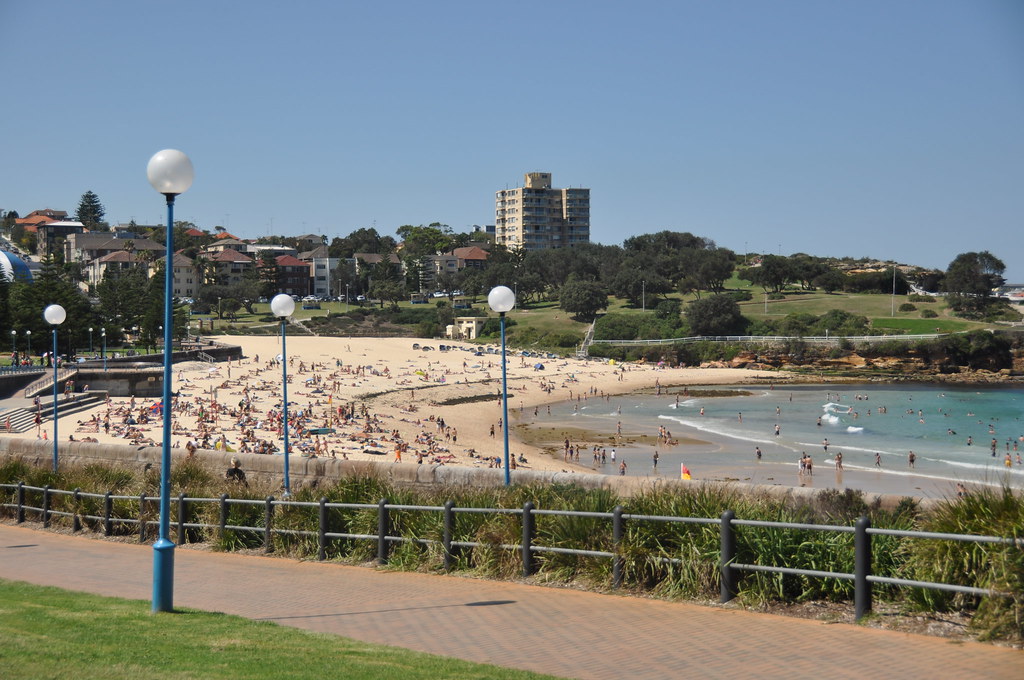
Image: Coogee Beach. Photo: Flickr.
With the dumping of e-bicycles having become a major nuisance across Sydney, two neighbouring Eastern Suburbs councils are taking action.
In April, the City of Randwick unveiled a plan to introduce mandatory parking areas and ‘no-go’ zones for the vehicles. The proposal is focused on Coogee Beach, the Randwick Junction shopping village and Maroubra Beach, which are hotspots for e-bike usage and litter, though other localities will be investigated. Public input is being sought by 20 May.
Quoted in a press release, mayor Dylan Parker said that shared e-bikes “offer many benefits for the community; they’re convenient, a cost-effective way to get around, and help to reduce emissions and traffic congestion.”
“But we’ve also heard loud and clear from residents that they are too often being left in places that create safety and accessibility issues. This proposal is about making our streets safer, and making sure shared e-bikes are not blocking driveways, building entrances and footpaths.”
Rule-breakers face charges, account suspensions
Meanwhile to the north, Waverley Council has announced that its “six-month trial of designated shared bike parking will be permanently implemented, with the management strategy proving successful in delivering clearer footpaths.”
“Under the trial, Council installed 60 dedicated shared bike parking areas in key locations, accommodating approximately 500 shared bikes, both on and off-street,” a spokesperson said.
“It also established Restricted Parking Zones in busy areas, with riders required to park in designated bays or face additional charges, fines or account suspensions.”
“Community feedback about the trial has been overwhelmingly positive and indicated a desire for further expansion and enforcement.”
An additional 36 parking areas, sufficient to accommodate about 400 shared bikes, have been proposed.
“Council works closely with three main operators, who signed an agreement last year to better manage their shared bikes, contribute to the provision of parking infrastructure, and establish parameters on how and where bikes can be ridden and parked.”
Other councils expected to follow
Peter McLean is the chief executive officer of advocacy group Bicycle NSW. “In general, we are supportive of these measures, as it ensures that a balanced approach for all road users can be achieved,” he said.
“This means people have access to these affordable and convenient devices but equally pedestrians and other public space users — less abled, cars and other cyclists — aren’t unnecessarily impacted.”
“In some cases, it will make sense to locate these parking areas on state land, so I hope that the appropriate departments are welcoming of this and work productively to allow this to occur. I hope the councils also actively monitor the usage data, which I know they do already, to ensure the parking locations are located in the best spaces and that they have popup parking areas for big events and festivals.”
New regulations currently being drafted “will also allow councils to set go-slow and no-go zones as well as parking locations, so Waverley and Randwick will still have the power to do this.”
“I believe other councils will proceed in a similar direction while others will watch and observe and follow the same path if it works well,” McLean predicted.