A Medical Odyssey, From Penang To Sydney (Naked City)
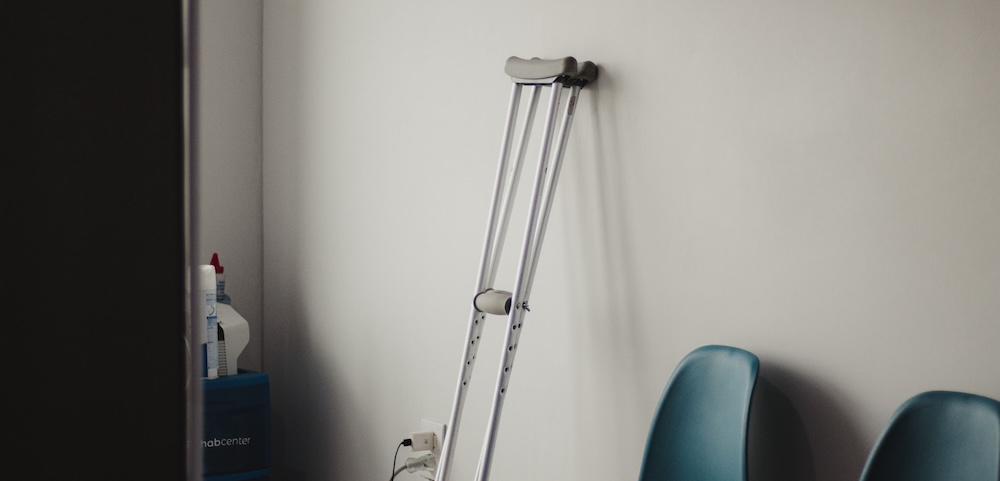
Image: pandaa / Pexels
Some weeks ago whilst holidaying in Penang in Malaysia I managed to fracture my femur. I could say something romantic like I was attacked by marauding macaques on Penang Hill but in reality it was the result of a totally unexpected tumble on wet slippery ground – completely sober at the time I might add. What followed was a somewhat bizarre journey through four different hospitals, all in stark contrast, but endlessly illuminating and often rewarding when it came to the interaction with nurses and fellow patients. The Sydney side of the journey was particularly enlightening.
One thing it emphasised is never leave Australia for an overseas holiday without adequate travel insurance, preferably with one of the larger more established companies. A few hundred dollars outlaid before you leave could save you thousands if you require medical treatment or possible hospitalisation in a foreign country. I have travelled many times before, always had insurance and never needed to make a claim. That can easily lead you into a false sense of security – thinking why make the outlay if you have never made a claim in the past. The wild monkeys are waiting!
My holiday in Malaysia had been going famously, enjoying the multicultural charm of the island of Penang, along with the incredible food, abundance of temples and old historical George Town. I was on my way to Balik Pulau, on the western side of the island when the accident took place, a simple stumble on watery ground at a fairly remote bus station. Whoops, I knew immediately that I had dome some serious damage. Luckily I was accompanied by a very close friend who arranged an ambulance to a small bush hospital. There I got the bad news that I had busted my femur and would need an operation as soon as possible.
Penang is a destination that specialises in so called medical tourism for well to do Indonesians, Thais and Malaysians seeking advanced hospital care. From the humble bush hospital and their small welcoming staff I was moved to an almost resort style facility run by a Christian religious group. Many of the nurses and other staff were Muslim and Hindu, reflecting the admirable state of religious and cultural tolerance that exists in Penang. A flipping of the bird to mass ‘deporter’ Pauline Hanson!
I was operated on within a few days of arrival by a Chinese doctor and began immediate rehab with a great team of physios. On Saturdays the hospital featured a roaming choir of about a dozen singers who surrounded your bedside with a selection of hymns sung in Malay. Some might have seen it as a bit too evangelical but for me it was all part of the experience. My only misgiving was that their health policy forbid caffeine, so sadly no coffee.
I had missed my flight back to Sydney and with rising air fare prices I was looking at around $1,000 for a one way ticket home. Within a few minutes of actually booking I received a call from the insurance company explaining that that they would be medically repatriating me. This involved flying a nurse from Australian to accompany me home and sending both of us business class. I was somewhat astonished at the time, thinking that this was a complete overkill, and I was more happy than happy to struggle my own way back.
The mail nurse arrived a couple of days prior to departure and having done about sixty prior repatriations was totally professional in getting me on and off planes and transiting via KL. I arrived back in Sydney and was taken by car to a small regional hospital, close to home and about 100k out of the city. The first few nights were spent in a crowded and claustrophobic emergency ward which was straight out of the movie ‘Shock Corridor’. On the first night, there were quite a number of frail elderly patients crammed into the ward, their sleep disturbed by a young man screaming and yelling for what seemed an eternity. Whether he suffered from some kind of psychosis or was strung out on meth, the police were called and it took a number of burly security guards to subdue him.
I was later transferred to a room where the night time temperature was close to freezing and the only relief from the cold was my constant request for more blankets. It was clear that most of the staff, albeit cheery and reassuring in their demeanour, were constantly overworked and faced with a working environment that had not improved in twenty or thirty years.
By a stroke of fortune, the rehab section of the hospital was undergoing long overdue renovations and after four days I was transferred to a private rehab hospital close to Penrith. This was like going from a dilapidated rundown motel to a five star hotel. All individual rooms with en suites, restaurant style meals and an abundance of nurses, physios and general staff in constant attendance. After a few days I was moved to another room in the hospital’s primarily mental health section, and this was a complete revelation.
Over the years my image of mental health facilities in NSW has always been clouded with stories of the asylum like conditions that existed in institutions like the old Callan Park – everything from shock treatment to the kind of over medication that turned patients into zombies. That may not have been the actual reality back then but here at this ultra modern hospital in 2026 everything was designed to treat the mentally ill with dignity, compassion and a range of facilities that made their stay as welcoming and serene as possible. There was a large outdoor garden deck, a coffee shop style lounge and their own cafeteria, as well as what appeared nurses and doctors to handle every degree of rehabilitation. If only this high standard of treatment was universal throughout NSW.
I haven’t specifically named the four hospitals in this journey which might seem strange but their actual titles are not important when it comes to the disparity in their treatment and accommodation of patients. The most extreme contrast was here in NSW between the regional public hospital and the very upmarket private facility. The latter certainly set the standard as to what all hospitals should be like but in 2026, that’s sadly not the case. Whether it’s simply a matter of available finance or a turning of the political blind eye, there are numerous public hospitals desperately in need of major upgrading. From my experience the nurses and doctors who staff them do an incredible job but many are forced to work under the most testing conditions. Not everybody can afford expensive health insurance and the kind of care offered in an upmarket private hospital. Many of these hospitals set standards that are difficult to emulate in the public system but they at least demonstrate something for the Government to aim towards.
Finally, for all those City Hub readers planning an overseas holiday. I am probably preaching to the converted when I say travel insurance is essential. Also avoid the ‘cheapie’ deals – I’ve heard some horror stories from fellow travellers about dealing with the budget providers. Having not spent much time in hospitals over the years the last month has been an eye opener for me – from a very basic and humble bush facility in Malaysia to the gold standard of some rehab hospitals back home.