Verona Cinema Development To Fund Affordable Housing, But Some Critics Unsatisfied
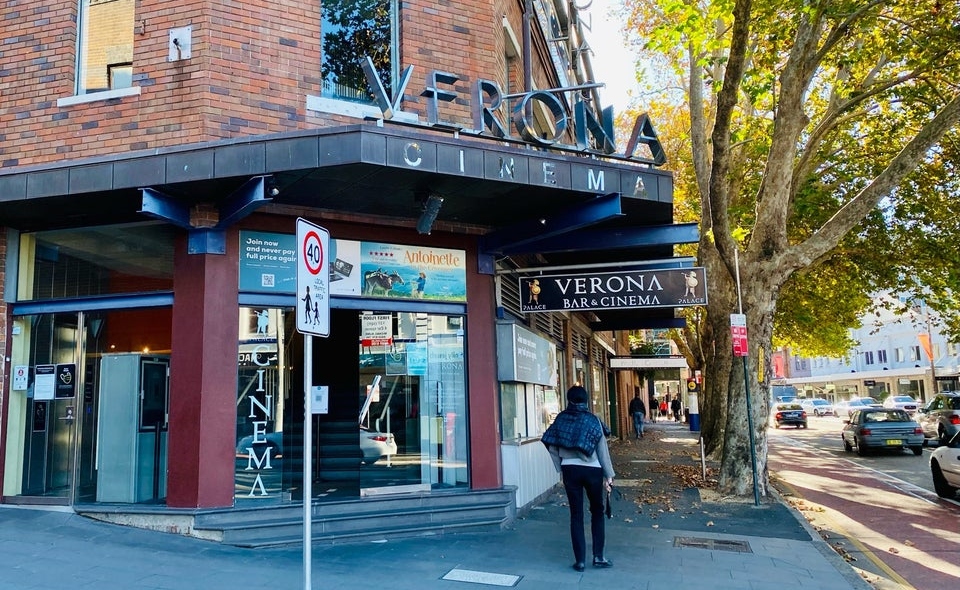
Image: Four Square
A mixed-use development at the Verona Cinema on Oxford Street was approved in July at a larger scale than initially proposed, but some critics of its affordable housing provision remain unsatisfied despite its developer agreeing to a $3 million contribution.
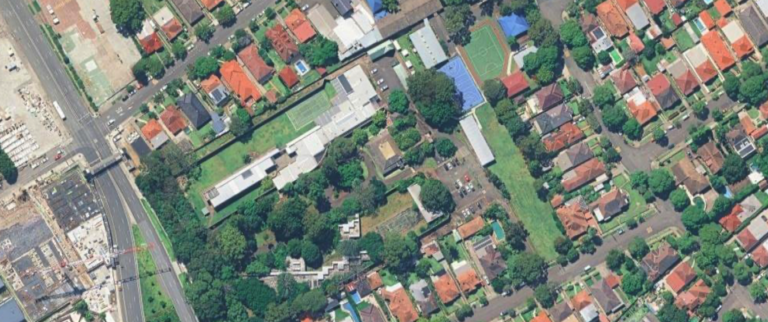
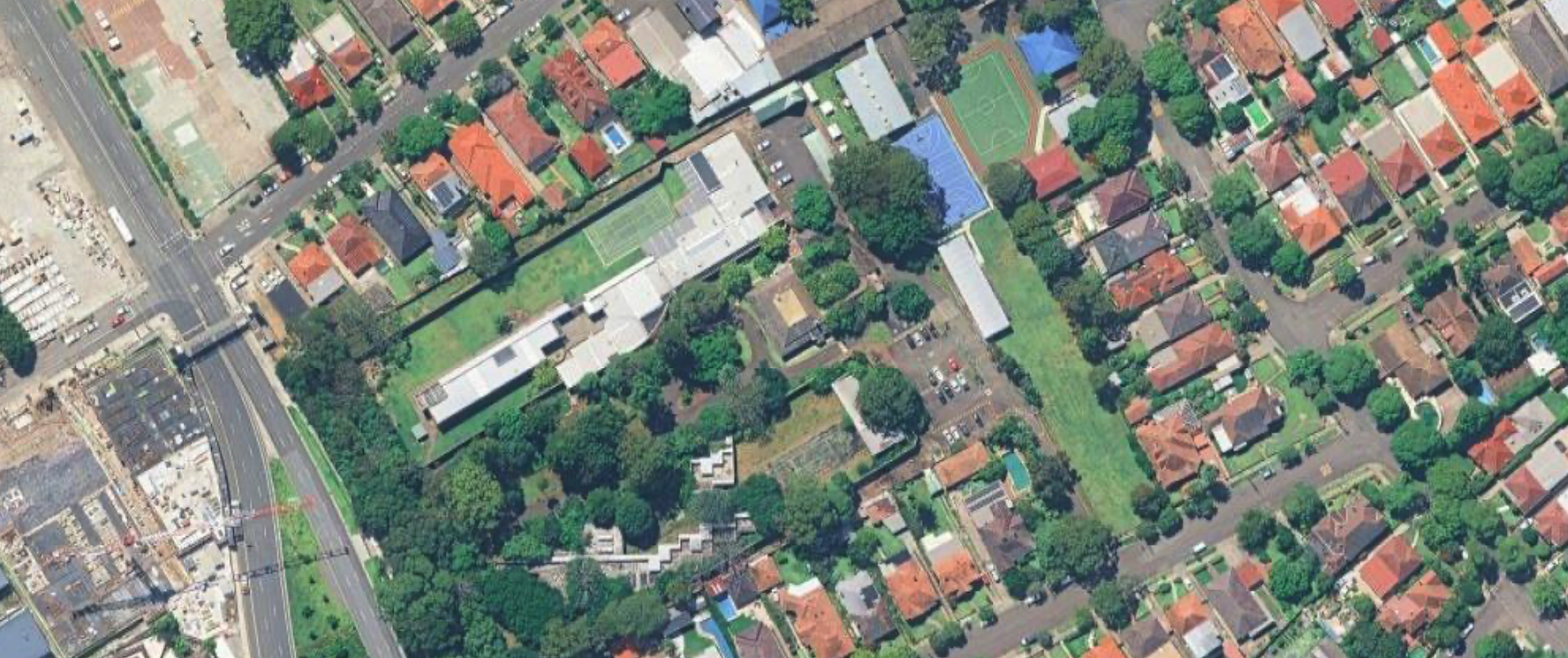
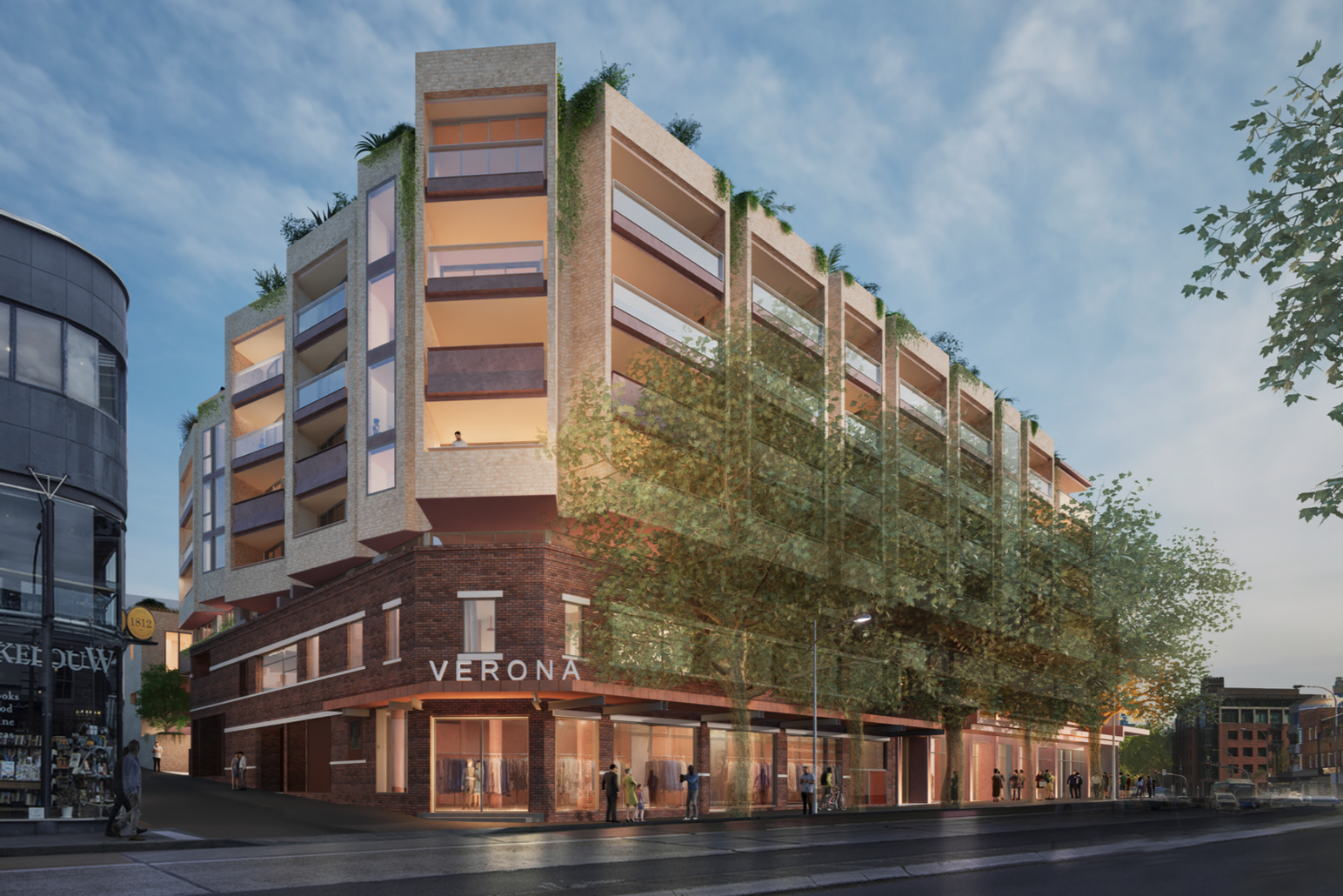
Plans for the Oxford Street venue’s redevelopment have been in the works since late 2022, following its sale to developers WT Malouf and Fenbury — no longer involved — the year prior, and it closed in 2024. The latest iteration is to see it become a seven-storey mixed-use complex, adjoining the block of flats next to it. Envisioned are a cinema, a bar, a retail premises, a rooftop pool, 58 parking spots and 64 units — an increase of 16 on the 48 previously proposed, though other numbers were also thrown around.
Despite this enlargement, the overall number of affordable units is unchanged, with fourteen to be designated as such — for now. The City of Sydney and Sydney MLA Alex Greenwich have argued that these homes will not be available to those who most need them, a consequence of how ‘affordable housing’ is defined in New South Wales. However, homes provided through the developers’ payment to the City of Sydney will fall under a different criteria.
State definition of ‘affordable’ in the spotlight
As defined at a state level, ‘affordable housing’ is that which is either discounted by at least 20 per cent below market rent, or for which rent is capped at 30 per cent of the average household income. Under the Minns Government’s housing reforms, ‘State Significant’ projects are fast-tracked in exchange for a proportion of units being designated as affordable for 15 years. That proportion may vary from 10 to 15 per cent depending on the scale of the proposal.
In April, housing minister Rose Jackson told the City Hub that the Government was “currently reviewing the guidelines for affordable housing.”
“We will have more to say on rent settings under the new Affordable Housing Policy shortly. We expect the new policy to be in place by mid-2026,” Jackson said at the time.
Developer agrees to monetary contribution
A December submission by the City objected to the proposal’s affordable housing component. It argued that the development “should meet the minimum requirements set out in the City of Sydney Affordable Housing Program,” and as such either provide affordable housing in perpetuity at 30 per cent of income or fund its construction elsewhere.
Subsequently, the developer agreed to a monetary contribution of $3,088,478 towards affordable housing.
Will Mrongrovius of the Paddington–Darlinghurst Community Group nonetheless called it “disappointing that the affordable component did not increase.” He noted with colourful language, moreover, that the group considers the Government definition of affordable housing to be unfit for purpose anyway.
The City wrote that it was “also concerned that the affordable housing apartments would have the poorest amenity of the proposed development.”
“Most of these apartments are noise-affected, without natural cross ventilation or access to open balconies and 35 per cent have no or limited access to direct sunlight.”
Some changes were made in response to this criticism, “where feasible.” The affordable dwellings will have access to all communal and residential facilities, including the rooftop pool and communal space, and the ground floor courtyard and garden.
City raised issue over benefits for cultural institutions
During the assessment process, the City made three submissions outlining its concerns. “A key concern was that the proposal sought to access extra height and floor space beyond the State Environmental Planning Policy infill incentives under the cultural and creative incentives of the Sydney Local Environmental Plan 2012,” a spokesperson said.
“This local incentive is for buildings which support creative and cultural uses only, rather than market residential development, as proposed.” A report written by Urbis on behalf of WT Malouf noted the property’s function as a cinema, adding that the retail area will be part of and will support this.
WT Malouf hopes to commence construction before the end of 2026, to then be completed within three years.