Their Lives Are (Went)worth More: The Greyhounds’ Last Lap At Wentworth Park Is Nearly Here
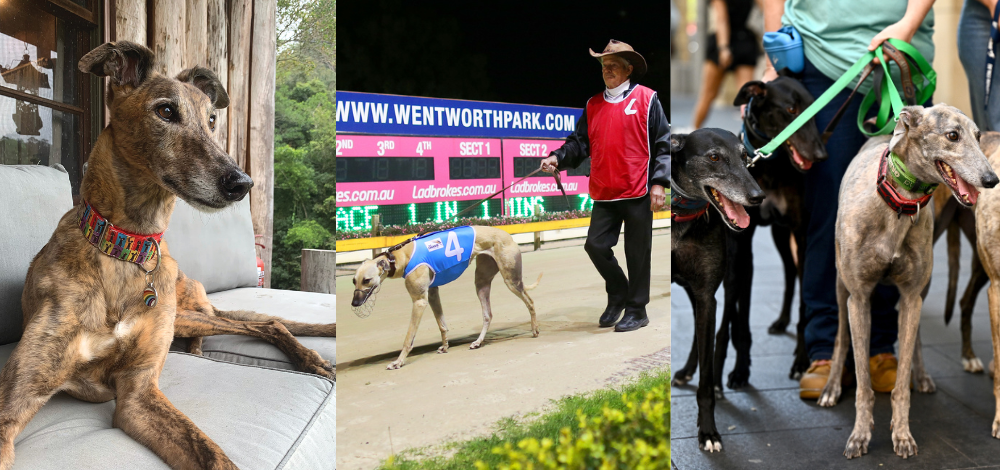
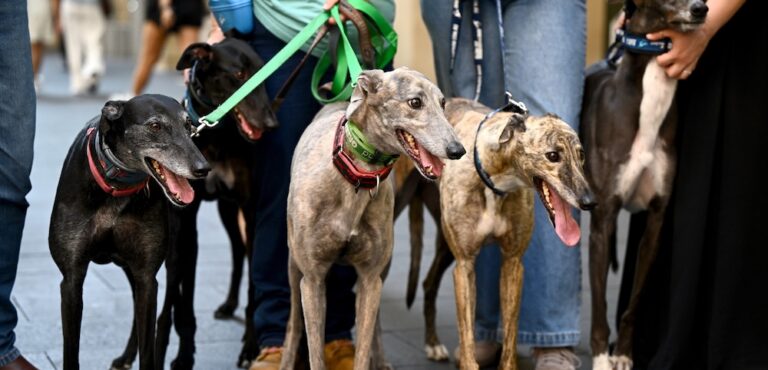
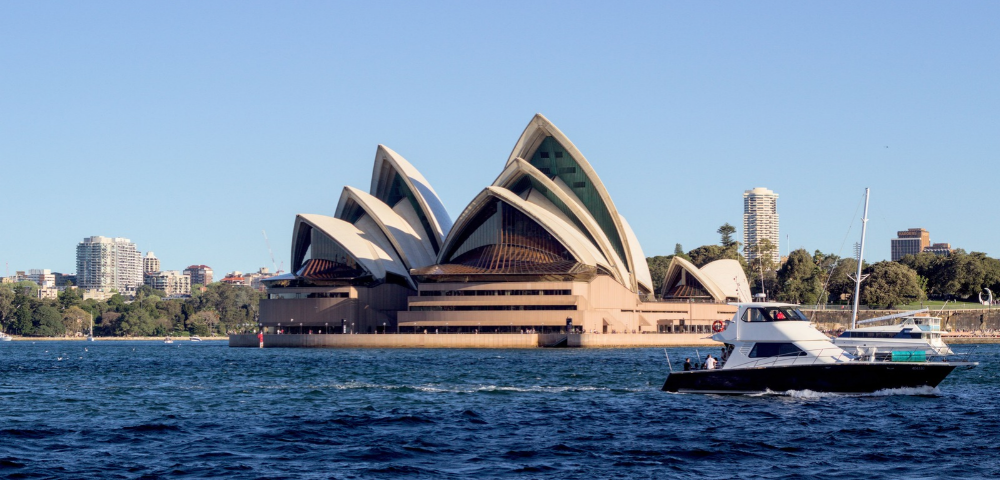
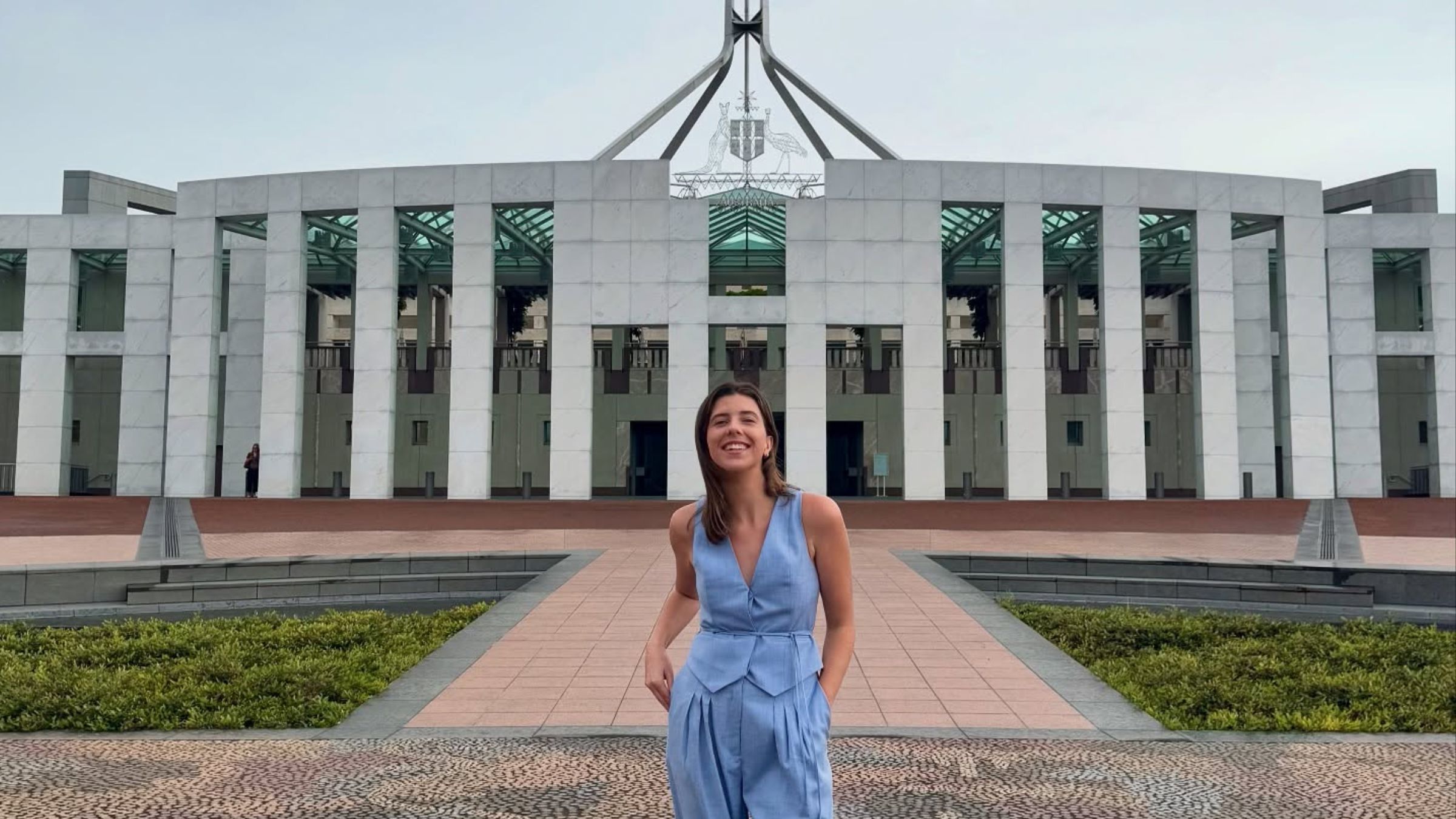
Image: Photo: (L) Monty Marshall, (C) David Moir/AAP, (R) Dan Himbrechts/AAP.
On 16 October, the last greyhound will race around Wentworth Park, marking the end of 94 years of inhumanity there.
The greyhound racing industry will frame it as the end of an era. But for the people who have spent years standing outside the gates protesting, campaigning and documenting the dogs injured and killed there, it is something quite different: a local victory that took far too long.
“The closure of the Wentworth Park track is a major victory for greyhound welfare and a huge blow to the racing industry,” Kylie Field, NSW Director of the Coalition for the Protection of Greyhounds (CPG), told City Hub.
“The local community has shown that people power can win over powerful gambling and racing interests.”
The history of Wentworth Park: From park, to track, and back again
Wentworth Park’s history stretches well beyond greyhound racing — and public recreation was the point of the place long before betting on dogs entered the picture.
The park sits on what was once the swampy mouth of Blackwattle Creek. ‘Reclamation’ works transformed the area in the late 19th century, and in 1885 the Colonial Government formally proclaimed Wentworth Park for public recreation.
By the early 1900s it was a genuinely multipurpose neighbourhood park: cricket, rugby union and rugby league were played there; local brass bands performed in its rotunda; crowds gathered for movie screenings. Even a kindergarten was established.
From 1928, part of the park became a speedway, hosting motorcycles and later speedcars, before noise complaints and track damage helped bring that chapter to an end in 1936.

Greyhounds had already entered the scene, by that point. Records show the Australasian Greyhound Club secured a short lease in 1932 and dogs were racing there by October. The National Coursing Association entered a formal lease agreement with the Wentworth Park Trust in 1939.
After this, the racetrack, grandstands, betting facilities and walls came to dominate a significant chunk of what was always meant to be public parkland.

For animal welfare campaigners, however, that history cannot be separated from the dogs who were injured or never made it home after racing there.
CPG recorded more than 60 greyhound deaths at Wentworth Park since 2016, but the full, accurate totals from the many decades of racing will likely never be known.
“We will probably never know how many greyhounds died on the Wentworth Park track,” she said. “The 2015 McHugh Inquiry into NSW greyhound racing found that racing staff were directed to falsify records or omit reporting dog injuries and deaths.”
The McHugh Inquiry also exposed the devastating welfare failures across the industry, finding that nationwide, up to 17,000 dogs were being killed every year if they were deemed too slow or unsuitable for racing.
The more recent Drake Inquiry – which Field notes, the NSW Government has largely ignored the recommendations from – identified significant problems with governance, management, culture and greyhound welfare at Greyhound Racing NSW.
“The racing industry’s nostalgia for the track is misplaced,” Field said. “The scenes of Self Sink writhing on the track with a broken spine will forever be the image that represents the cruelty that occurred at Wentworth Park.”
Greyhound Racing NSW argues welfare outcomes have improved, pointing this year to declining serious injury rates and an 87 per cent reduction in on-track euthanasia across NSW since 2017–18. But advocacy groups frequently point out that official numbers do not account for off-track deaths, or dogs euthanased days later.
“It remains a business that is hugely harmful to dogs and communities,” argues Field. “For the sake of the dogs, we have to fight this cruel business at every turn.”
A long, long battle fought by many
But this long-lasting battle has involved far more than one organisation or politician.
The City of Sydney formally called for greyhound racing to leave Wentworth Park in 2020. Independent Sydney MP Alex Greenwich repeatedly pressed the NSW Government over the track’s future, while Greens Balmain MP Kobi Shetty campaigned with residents and moved a parliamentary motion in 2024 calling for racing to end and the park to return to community use.
Animal Justice Party MP Emma Hurst delivered more than 500 letters to Lands Minister Steve Kamper in 2025 calling for the same thing. After the early closure was confirmed, Hurst described greyhound racing as “a dying industry” and the decision as “one more nail in its coffin”, adding that Wentworth Park “belongs to the public, not an industry that kills dogs as a hobby”.
In November 2025, an open letter to the Premier and relevant Ministers was coordinated by the Australian Alliance for Animals, demanding the end of the greyhound racing industry in NSW. It brought together CPG, Animals Australia, and Animal Liberation, alongside Hurst, Greenwich, Shetty, Greens Senator Mehreen Faruqi, Greens MLC Abigail Boyd, Deputy Lord Mayor Jess Miller and the Lord Mayor.
“The influence of Lord Mayor Clover Moore and supportive MPs has been invaluable,” Field said.
“Greyhound racing would love a showpiece metro track, but those days are long gone. No community now would choose a dog racing track over green space or land for housing.”
Wentworth Park’s future after the final greyhound race
What comes next is a return to what Wentworth Park was supposed to be.
The NSW Government plans to remove the racing infrastructure and transform the former 3.9-hectare greyhound precinct into sporting fields and public open space, reconnecting it with surrounding parkland to create a unified park of around 14 hectares.
The City of Sydney’s One Park for Everyone vision, developed after community consultation, is considerably more ambitious than simply ripping up a racetrack and laying down grass.
The structure plan includes five sports fields, including a new oval with two full-sized community fields; a large playground; new walking, cycling and exercise paths; picnic tables, shelters and open lawns; places for young people to gather and skate; changerooms and new park facilities; and the retention and reuse of heritage buildings.
Plans also include Blackwattle habitat and biodiversity planting, while mature trees and significant heritage items will be retained.
The need for open space is becoming more pressing as thousands of new homes and residents are expected around Pyrmont, Ultimo and Blackwattle Bay.
“The return of the Wentworth Park greyhound track as public open space is critical,” Moore said in 2025. “We must support increased density with adequate access to parkland.”
The fight continues
But advocates who have spent years campaigning and protesting aren’t under any illusions that 16 October is the end of this – they know a battle has been won, but the war has not. The industry is looking at other Sydney locations, and welfare groups have already promised fierce opposition to any replacement track.
Field says that advocates will fight for the closure of every track, tooth and nail – and that the industry’s days are numbered.
“The public is sick of the gambling industry and its harmful impact on people and dogs. Greyhound racing is on borrowed time.”
“We won’t rest until every track is returned to its local community, and every greyhound is safe.”