
‘The Death of Robin Hood’: A Gorgeous, Brutal Reckoning With A Myth
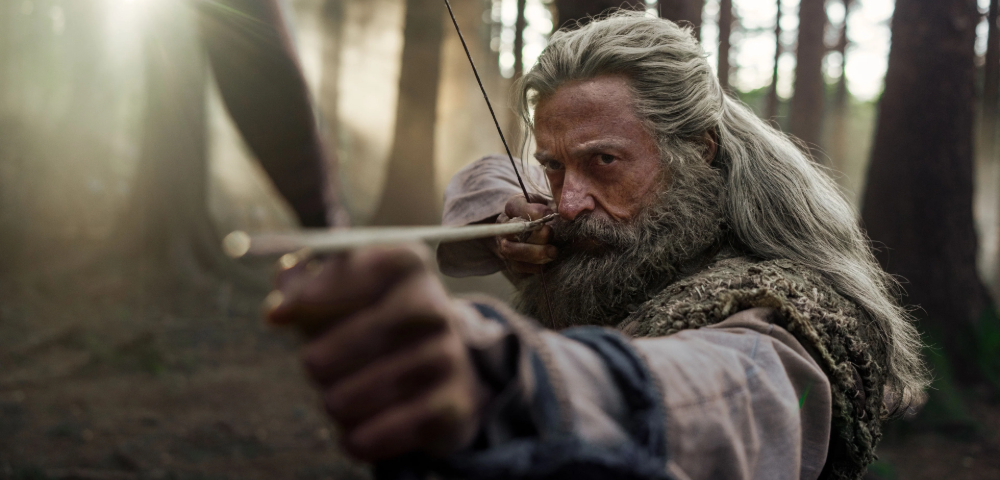
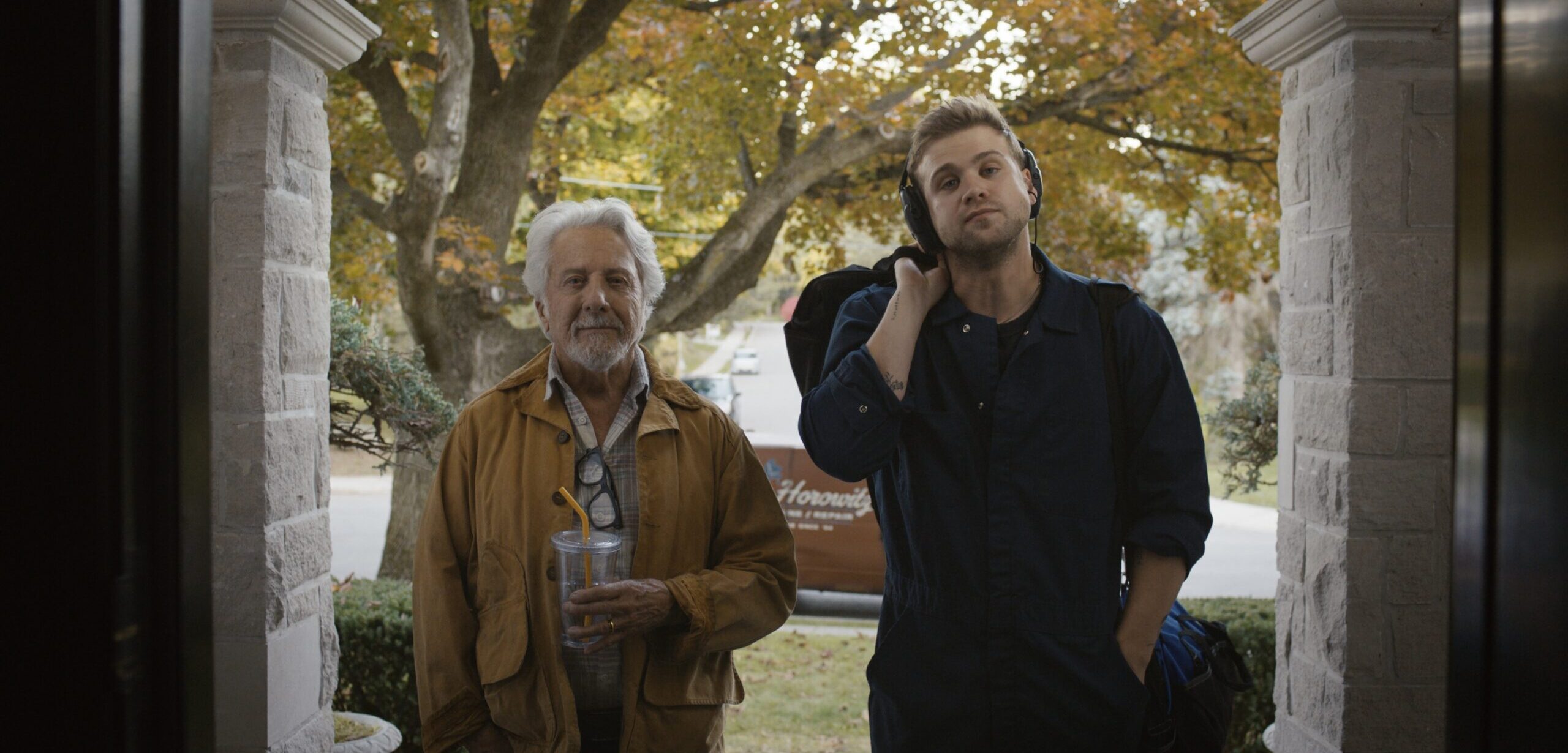
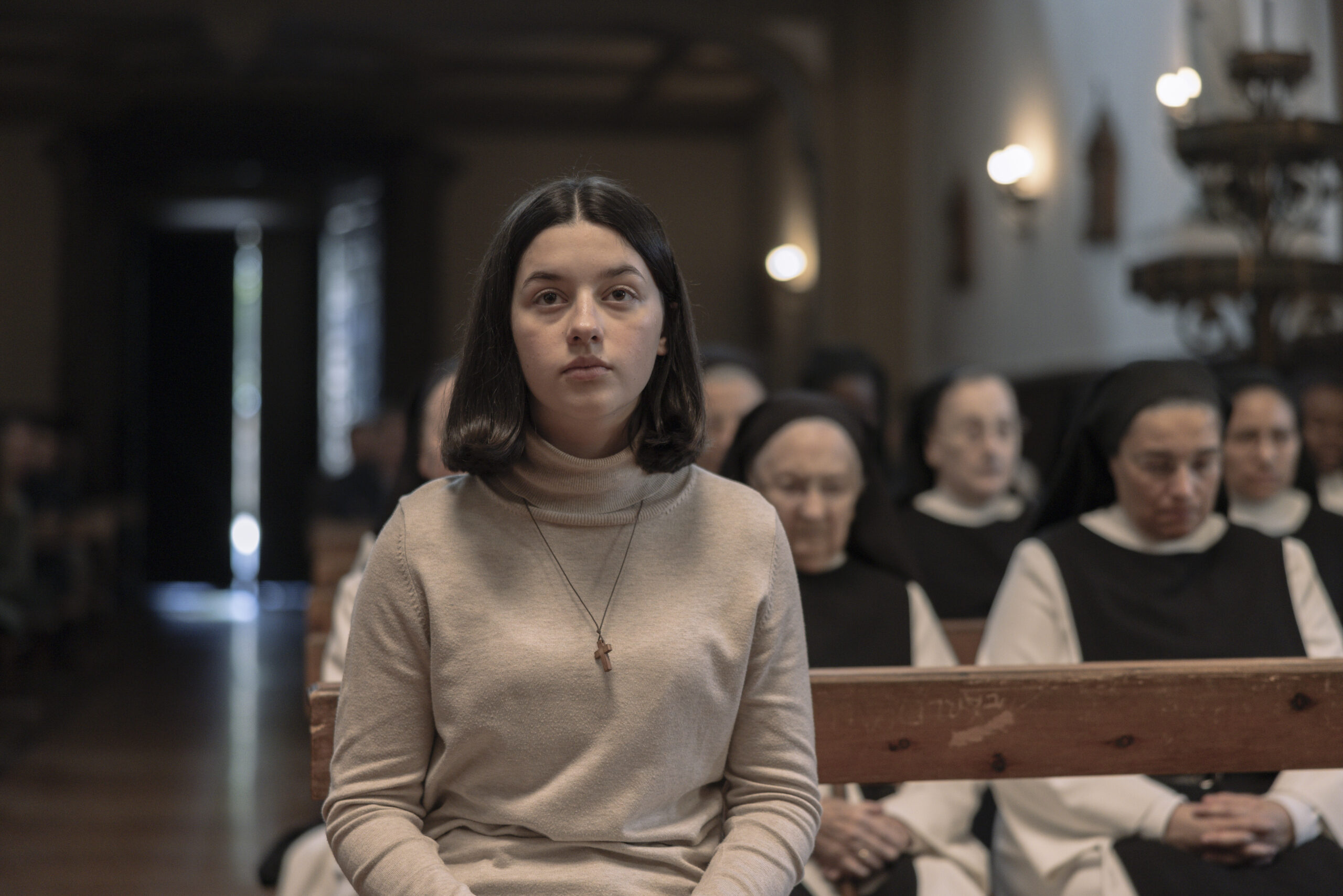
Image: A still from 'The Death of Robin Hood,' dir. by Michael Sarnoski.
Beautiful and brooding, The Death of Robin Hood offers a fascinating farewell to the myth of a folk hero that refuses easy redemption.
Directed by Michael Sarnoski and inexplicably being sold as a thriller, The Death of Robin Hood is a slow-burning medieval drama more interested in reckoning than revenge.
Sarnoski’s Robin Hood, played by a grizzled Hugh Jackman, is far removed from the jolly outlaw of legend but rather a washed-up killer waiting to die.
In one of the darker performances of his career, Jackman plays Robin as a weary relic of his own legend, hunted by the kin of those he’s wronged. The folk tales spread, he suggests, were little more than excuses for a lifetime spent killing for his own gain.
It’s a starting point in which Sarnoski makes it abundantly clear that this Robin Hood is something else, dismantling centuries of romanticism surrounding the character.
Jackman carries that burden magnificently and inevitably inviting comparisons to Logan, he brings a palpable mixture of violence and bone-tired weariness to Robin.
The opening act is genuinely shocking, filled with sudden bursts of brutality that make you lean in and look away at the same time.
It’s so gripping, in fact, that a small indulgent part of me wishes the film had stayed there.
Instead, after a devastating defeat, Robin is taken to a secluded cliffside village and nursed back to health by Brigid, a compassionate prioress played by Jodie Comer.
What follows is less action film than melancholy character study as Robin confronts the consequences of his action. It’s an admirable subversion, even if it occasionally mistakes atmosphere for momentum.
Comer brings warmth and quiet sorrow to a woman devoted to healing others despite carrying grief of her own, while Murray Bartlett is unrecognisable as a leper whose relationship with Robin provides some of the film’s most touching and quietly devastating moments.
Bill Skarsgård lends Little John a a brutish, weary loyalty that helps briefly anchor the film emotionally, his friendship with Robin carrying decades of shared history beneath every interaction.
Similar to The Green Knight, the film thrives on mood.
Sweeping Irish landscapes, a haunting Celtic-infused score and stunning cinematography give the film an almost timeless quality, as though it exists somewhere between folklore and memory.
Every frame feels carefully composed, like a painting brought to life. The sound design is equally immersive; making every creak of a bowstring and crunch of boots feel tangible, though the dialogue is often buried so deeply in the mix that captions feel essential.
Yet for all its beauty and simmering tension, The Death of Robin Hood never digs quite as deeply into its ideas as it promises to.
Themes of inherited violence, the sins of the father and mythmaking linger throughout without fully taking toot, while a sluggish middle stretch builds towards revelations that struggle to land with deserved force.
Still, the ending is undeniably moving.
Faced with the full weight of his past, Robin chooses not redemption but acceptance. In recounting the one true story of how he met Little John, the legend is finally stripped away, leaving only the flawed man beneath it and a cycle of violence finally broken rather than passed on.
Stunning, thoughtful and at times frustrating, The Death of Robin Hood isn’t Sarnoski’s strongest work.
Yet there’s still something undeniably compelling about a Robin Hood story willing to dismantle its own legend rather than celebrate it.
For fans of slow-burn medieval dramas, morally grey character studies and films like, there’s plenty to admire in this total subversion.
★★★
The Death of Robin Hood is in cinemas now.

Leave a Reply