Smartphone film festival is bigger than ever
Australia’s unique talent in filmmaking returns for the Gala Finals of the 9th International Smart Fone Flick Fest (SF3). The renowned film event will take place in November, screening in Sydney, Melbourne, and online.
This year’s edition of the film fest had 458 entries and 28 feature films. These entries increased significantly from last year which saw 336 submissions.
Sixty countries across Asia and Europe entered the competition. America and New Zealand also had a number of entries, and as always, there were a mass of submissions from Australia.
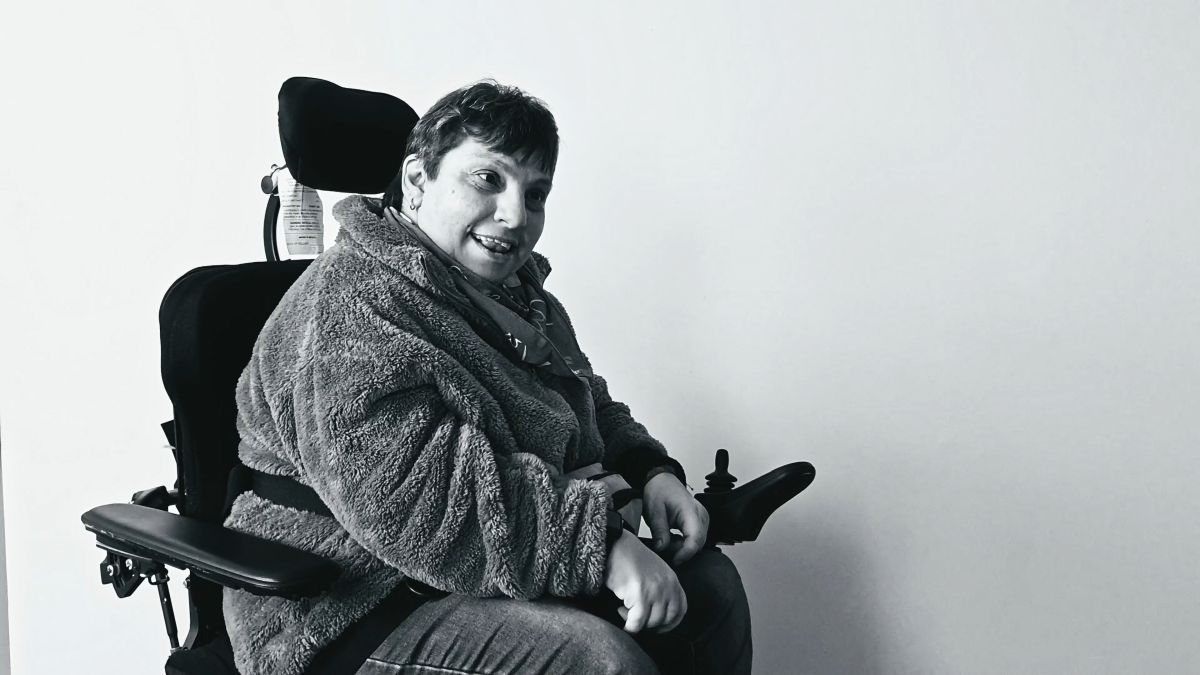
Director of SF3, Angela Blake, co-founded the festival with Ali Crew in 2015. The idea was inspired by their work in Los Angeles at the Short and Sweet Theatre Festival.
“We thought it was really amazing how the festival gave everyone who wanted a chance to be in the theatre a go,” said Blake. “There was nothing like that for filmmakers, and people in LA were just starting to make films on phones.”
The capabilities of the smartphone gave everyone a chance to make a film, whether they were professionals or not.
When SF3 launched, there were only two other film festivals in the world, held in San Diego and New Zealand. There was nothing before SF3 for filmmakers in Australia. Although the festival is international, SF3 has a strong home focus and is hosted in Melbourne.
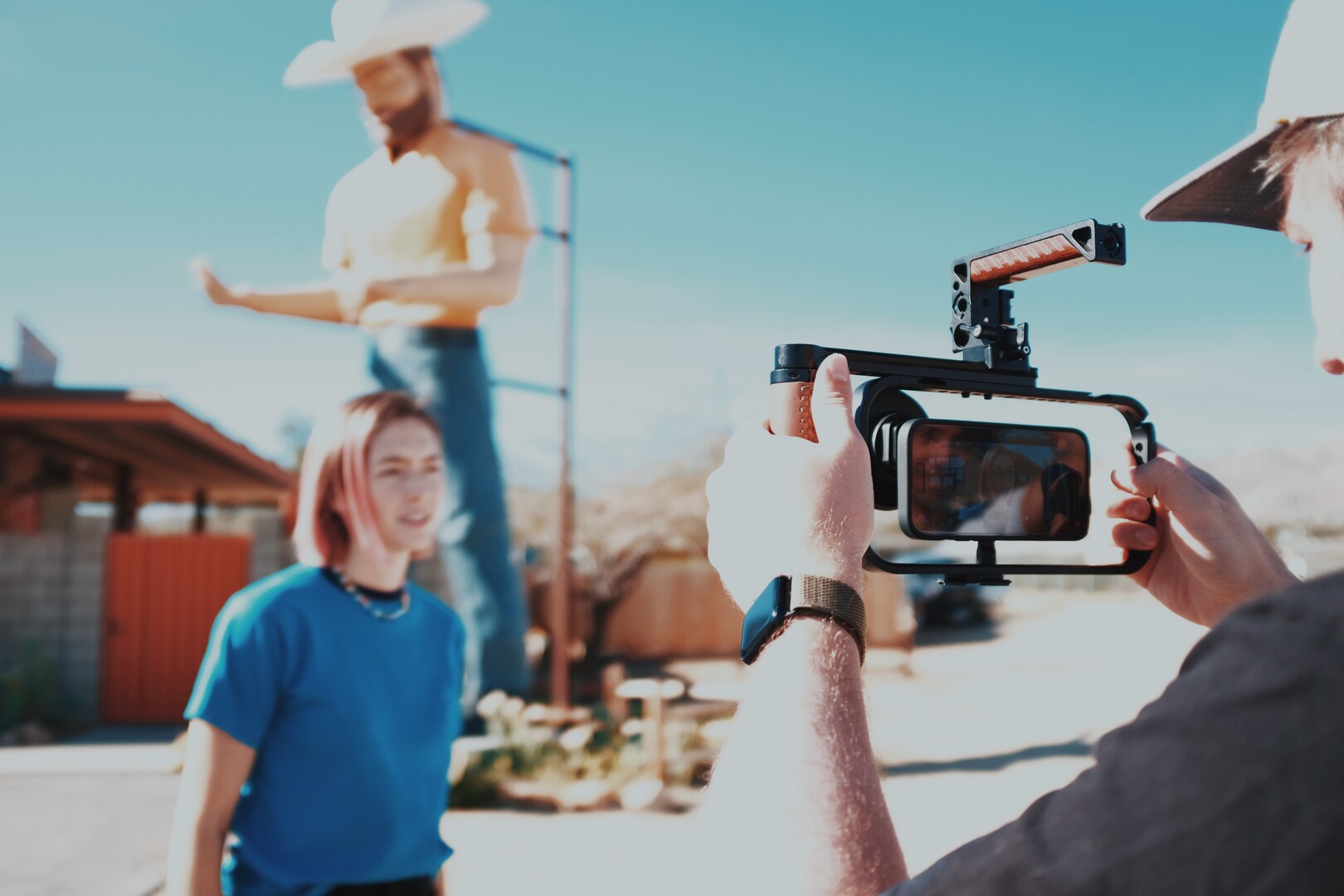
One of the primary advantages of shooting on a smartphone is accessibility for filmmakers, as the devices are lightweight and easily portable.
A phone camera is also small and can reach otherwise restricted angles and shots. This creates versatility; shooting in smaller places also opens up a different language of filmmaking.
Another advantage is affordability — filming on a smartphone provides space in the budget for post production and hiring quality actors.
Most importantly, smartphones highlight authenticity in a film. According to Blake, phone cameras are less confronting and most people feel more relaxed when being filmed on a phone:
“A lot of our documentary filmmakers are finding that people open up a lot faster when they are being shot with a smartphone because everyone’s so used to a phone in front of their face. I have also trained a lot of journalists shooting with phones so they can capture something in a way that you can’t with a big camera.”
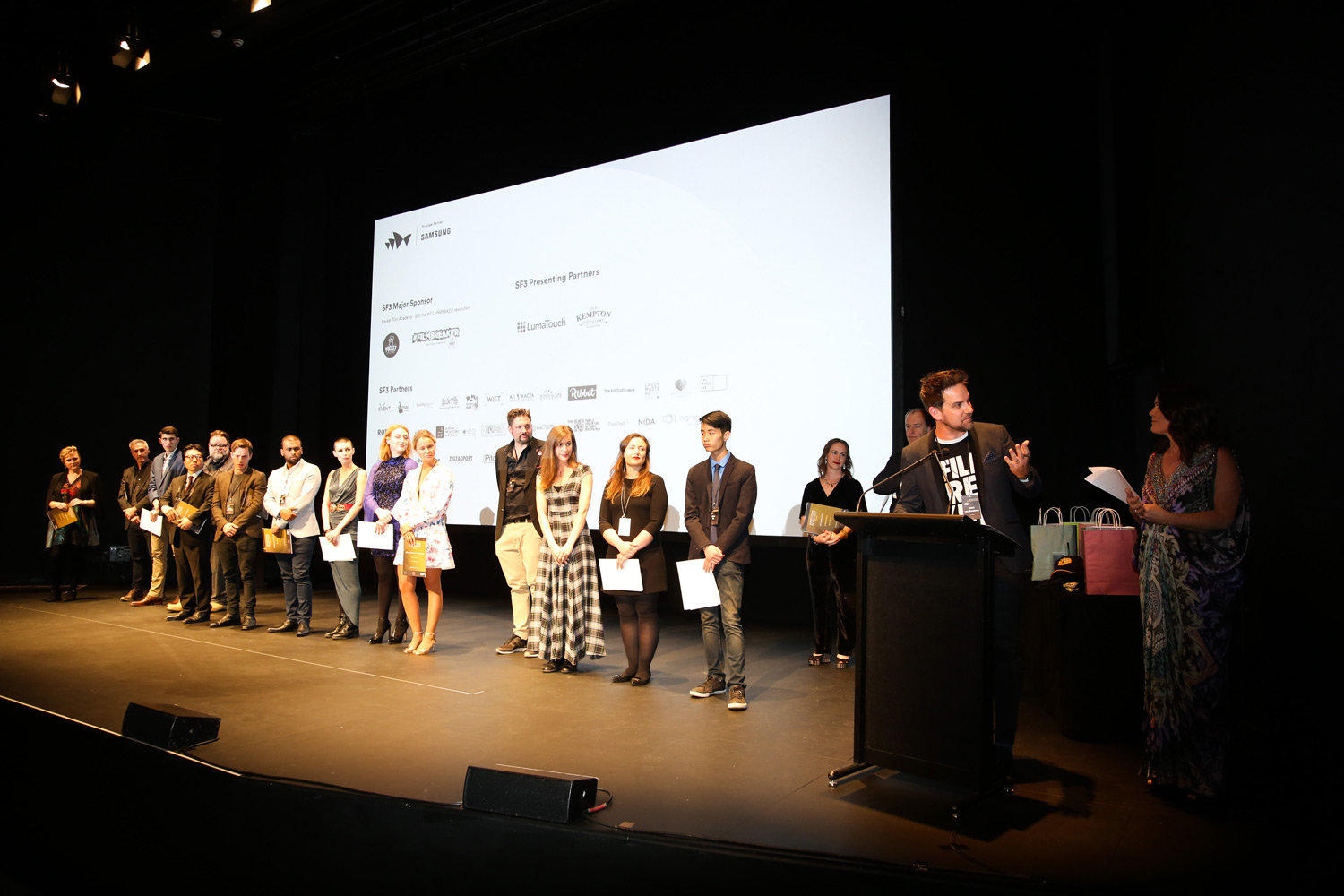
The main SF3 film categories are the Gala Finals, Mini Finals, Kids Finals and the SF 360. Each film under these sections will still be screened at the finals weekend.
Blake and Crew ultimately decide on the SF3 finalists across all categories. Having experience in creative writing, journalism and radio, both come from worlds that are focused on story.
“We are very much a story focused film festival, and the story is number one,” said Blake. “We love quirky Australian stories and stories from around the world”.
Quality film elements such as camerawork, cinematography, editing, music, and acting performance are taken into consideration when deciding the finalists. However, SF3 can overlook shaky shots and bad acting to put the story first.
The SF3 judging panel are in charge of the award selection, handing out $50,000 in prizes. The major awards are distributed across the Gala finalists, which include Best Film, Best Director, and Best Screenplay.
Delmar Terblanche is a finalist in the SF3 Mini Finals with his short piece Up in the Trees. The film includes themes of vulnerability and relationships, falling under the horror genre. Having produced only a few films previously, Terblanche knew that he wanted to create a horror piece for the SF3 Minis category that could be achieved in a short amount of time.
“One of the easiest ways to have an effective film is to do horror because you need a fairly minimal amount of setup and payoff,” said Terblanche. “This is my first horror film and it’s my favourite genre of media. I have been wanting to do one for ages”.
Terblanche met with Blake at an open screening night, where he presented a rough cut of his previous short film. Immediately, he knew he wanted to be a part of SF3.
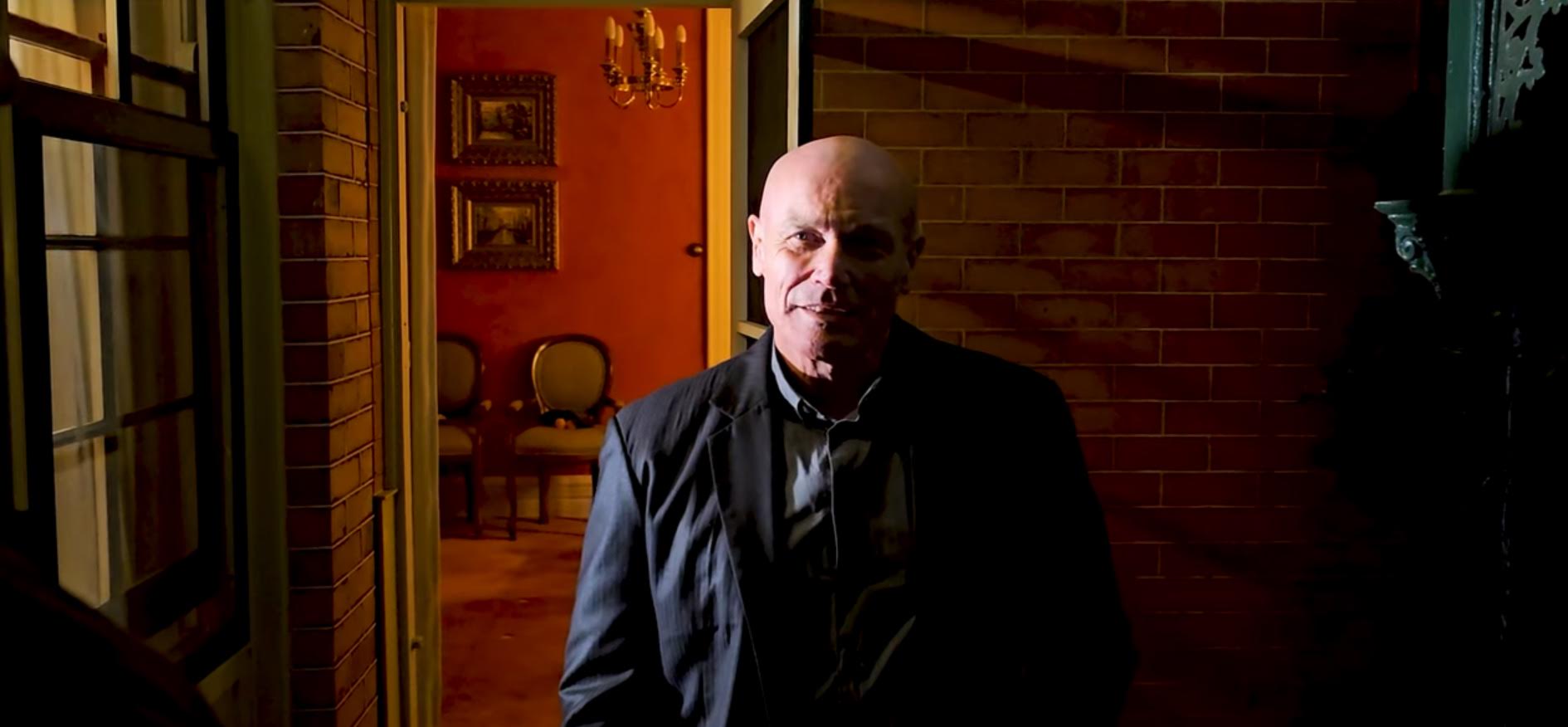
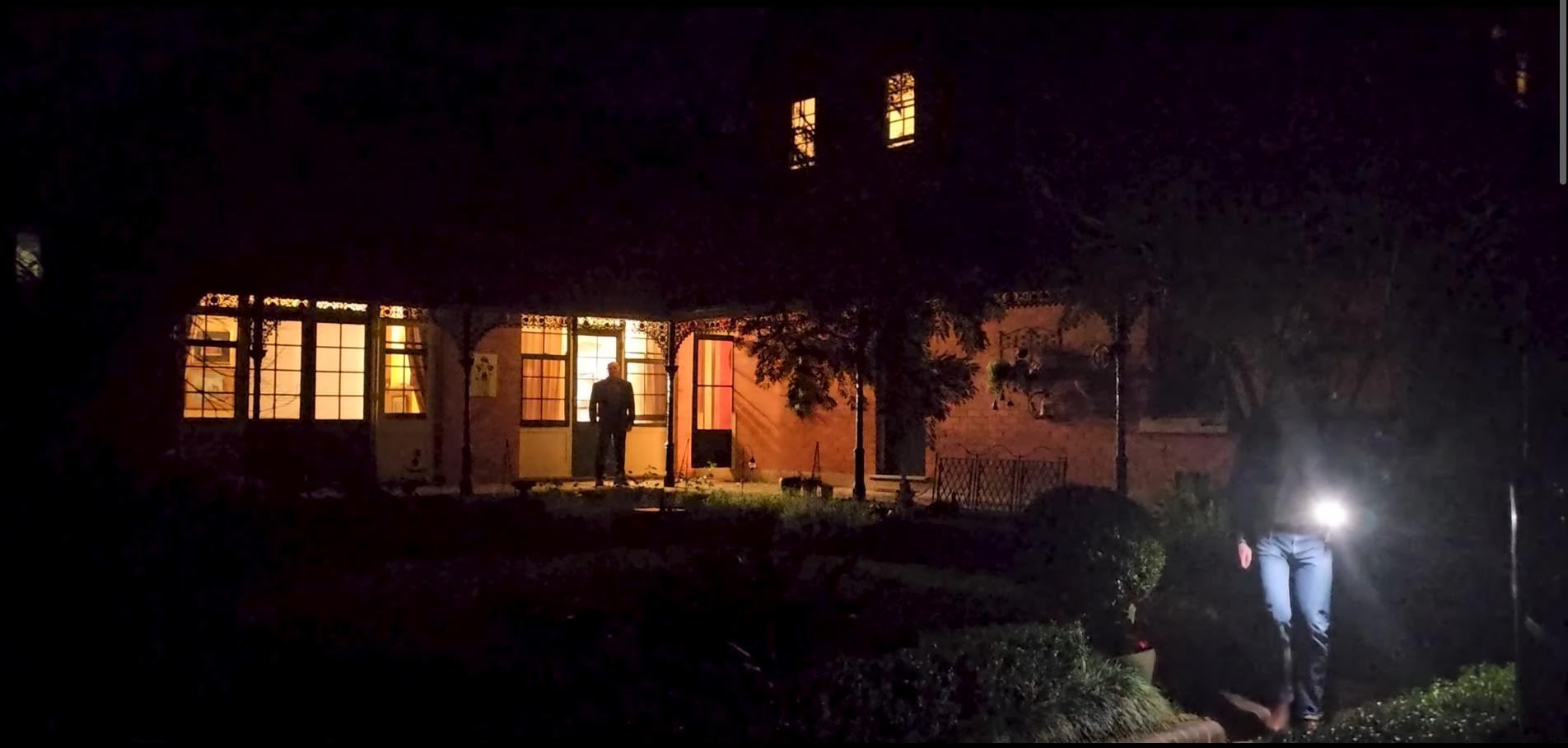
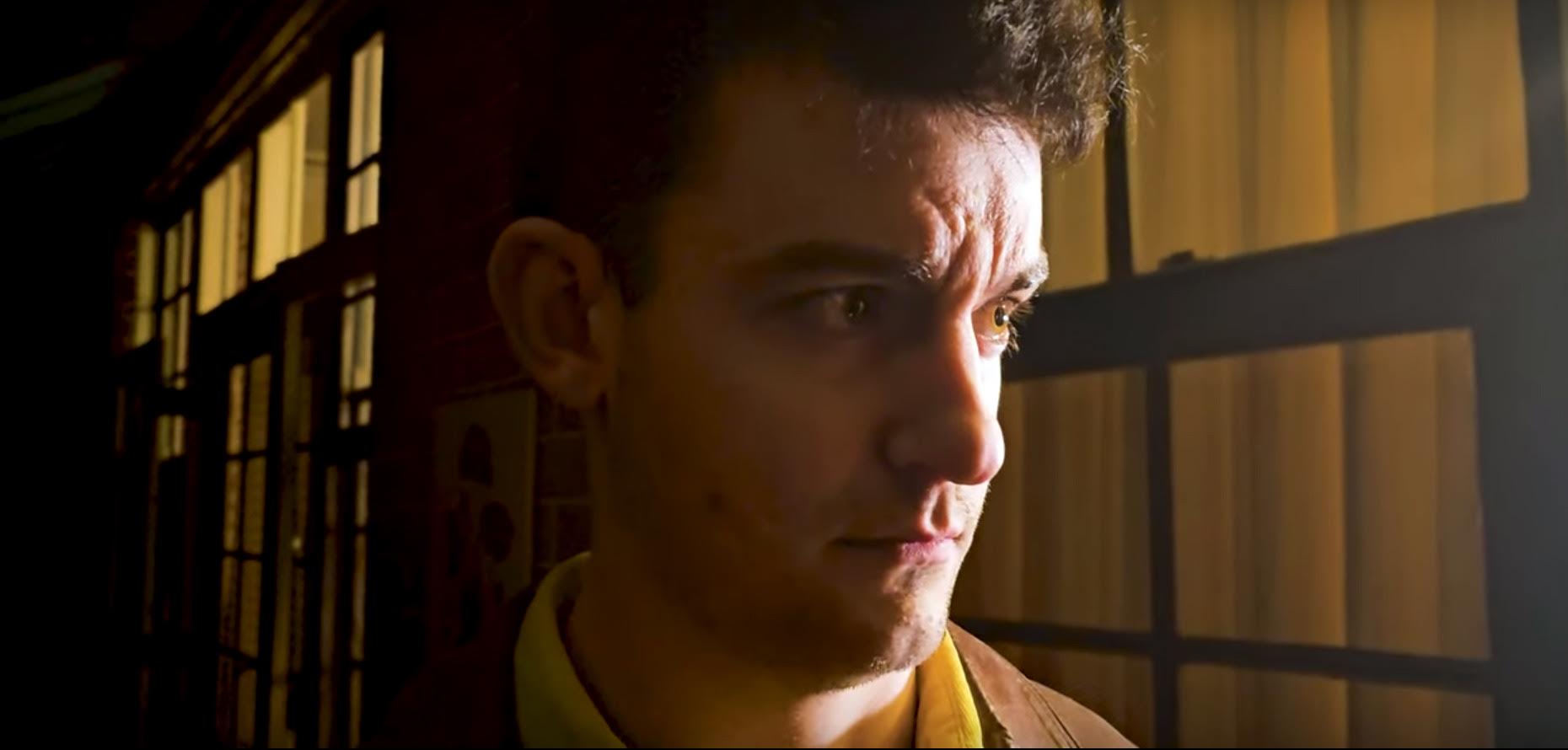
“I like the idea of films that are made down and dirty in a short space of time, with limited equipment, and the way it allows everybody from any background to make a film,” said Terblanche.
“You cannot rely on technology, you have to rely on your own ingenuity.”
The SF3 competition is a major creative opportunity for any first-time filmmakers and those wanting to express their own stories and develop their techniques. Blake never wants anyone to forget the reason that SF3 started, which is, to give everyone a chance.
“It is most rewarding just to think all these people have been inspired to make their first film by what we’re doing at SF3. I am really proud of that.”
November 18 & 19
Actors Centre Australia, Italian Forum, Shop 30A, 23 Norton Street, Leichhardt
sf3.com.au