
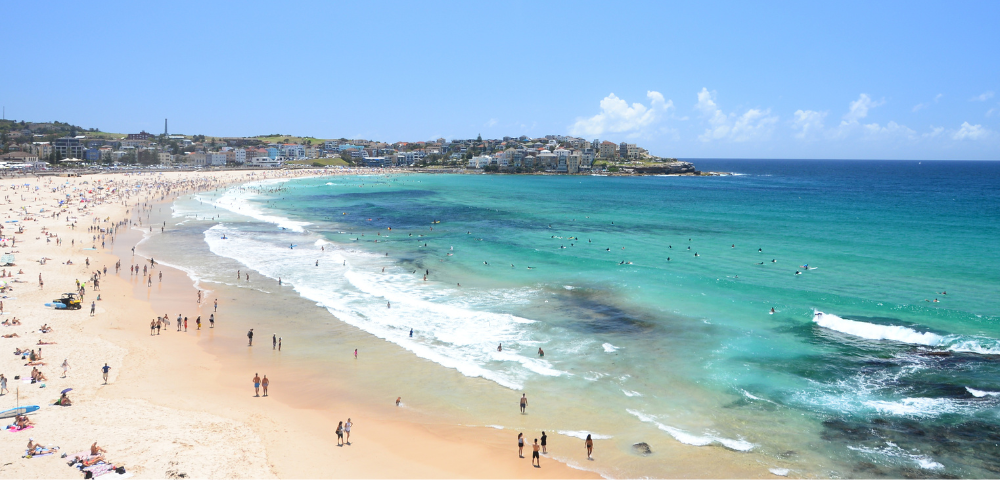
Sydney’s summer season has lengthened by nearly 50 days since 1990, according to a new international climate study analysing temperature trends across major global cities.
Researchers from the University of British Columbia examined weather data from 10 mid-latitude cities, including Sydney, Tokyo, Paris and Toronto, measuring seasons based on temperature patterns rather than calendar dates. The study found Sydney recorded the largest increase in summer duration among the cities analysed.
The research indicates Sydney’s summer now lasts about 125 to 130 days, compared with approximately 80 days in 1990.
Lead author Ted Scott said the change represents a sustained long-term shift in seasonal patterns.
“Another way to think about that is in 20 years, Sydney has been on average adding a whole month of summer,” he said.
“Now this is up until 2023, so we should be careful and say we don’t know if these trends will continue … but the trends are pointing in one direction.
“Sydney is definitely, of the 10 cities I looked at, one of the places this is changing the most dramatically.”
The study found Sydney’s summer length has been increasing by around 15 days per decade since 1990, more than double the rate observed in most other cities included in the analysis. Globally, summers have extended by an average of six days per decade over the same period.
Researchers also identified changes in the timing and intensity of seasonal transitions. Warmer conditions are arriving earlier, with more abrupt shifts between seasons.
The study compared recent data with historical temperature baselines from 1961 to 1990, showing that Sydney’s summer period has expanded significantly since the mid-20th century. Other cities analysed, including Minneapolis, Toronto and Paris, also recorded increases in summer length, though at lower rates than Sydney.
Researchers said the findings reflect broader global warming trends and may have implications for ecosystems, infrastructure and human health.
The study noted that longer summers can increase the likelihood of earlier and more prolonged heat events, potentially leaving communities less prepared for extreme temperatures.