

‘Resident Evil’: A Thrilling Love Letter To Its Namesake
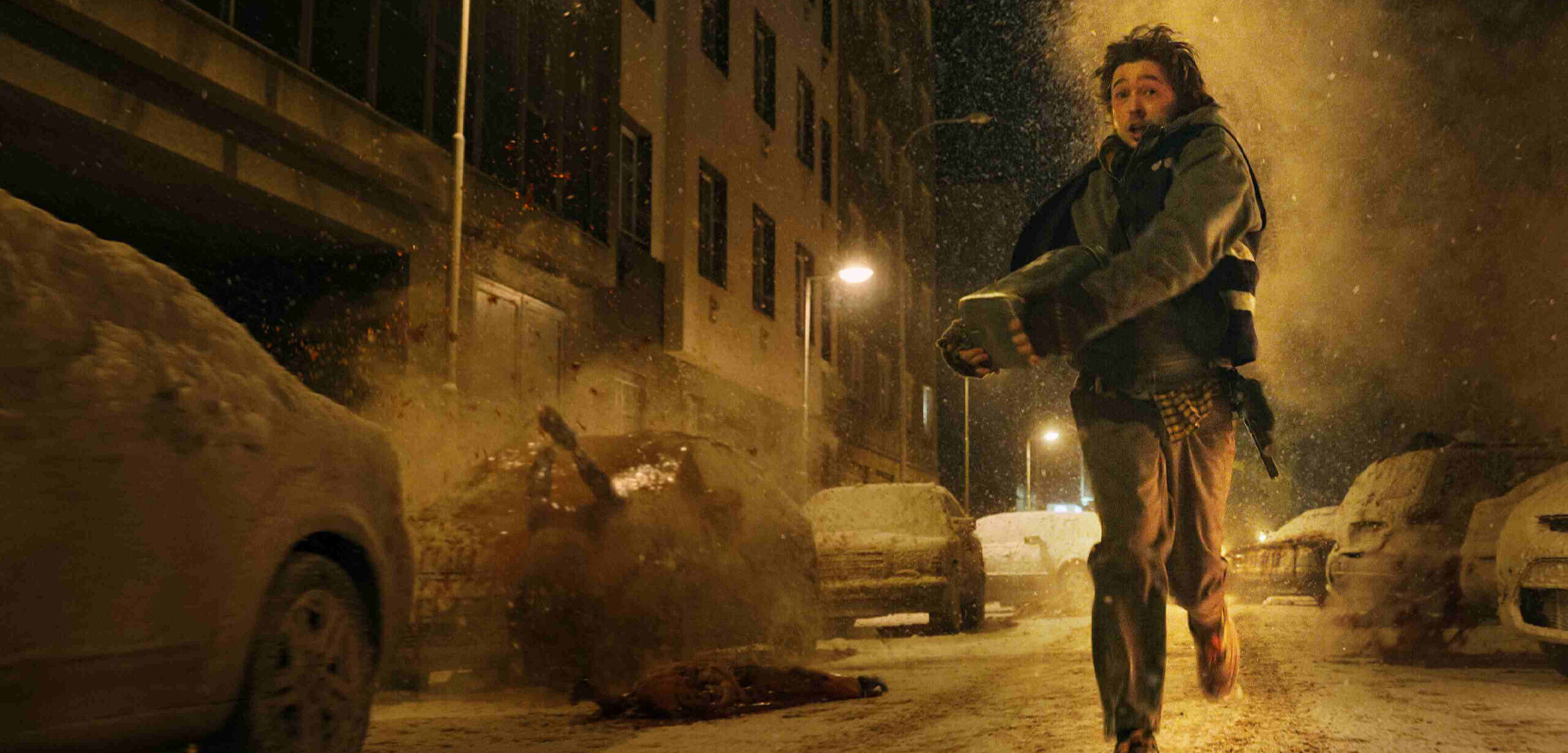
Image: Source: Sony Pictures via TMDB
Zach Cregger might’ve done the impossible with Resident Evil – he made a front-to-back great movie based on a video game that authentically conveys why people love the series it takes inspiration from.
It really doesn’t feel like it should’ve taken seven previous misfires to get to this point, but I truly am glad it was Cregger who was finally given the keys to this iconic horror franchise. Resident Evil may not be quite so intricately constructed as his prior film Weapons, but it’s a non-stop ride straight through hell that shows deep affection for this iconic series.
Unlike the games, which usually follow highly trained individuals who are nonetheless thrown into nightmare scenarios with the undead, this Resident Evil follows medical courier Bryan (Austin Abrams) on his attempt to make one final run for the night to a hospital in Raccoon City.
As to be expected, things soon start going very wrong for Bryan. After hitting someone with his car, he is soon face-to-face with zombies and mutated monsters beyond human comprehension accidentally unleashed by the Umbrella Corporation. You know, for science and human progress.
Although the narrative on display in this film is good, it’s ultimately the device for Cregger to replicate what it’s like to actually play a Resident Evil game instead of simply attempting to tell one of the stories exactly like it is in the game; this is much more than IP dumpster-diving.
You won’t find Bryan in any of the games, but any fan of the series can identify with his struggles throughout – fumbling his way through horrible situations, poorly handling several weapons and even encountering a surprising number of padlocks that continually block his progress.
Resident Evil is a love letter to its namesake
It’s very clear that Cregger loves Resident Evil in a way that Paul W. S. Anderson never did, wholly embracing the franchise’s more bizarre elements without any shame. Although some changes are made to Raccoon City here, they are practically all for the better; this film’s cold snowy aesthetic gives way to some particularly creative and gory setpieces.
Bryan has to navigate some properly terrifying situations in this film, and Cregger continues to prove himself as a master of building tension and knowing just the right moment to release it. I will say Cregger’s script occasionally sags outside of the action: there’s a core theme about parenthood here that never quite closes the loop, and I think the movie could benefit from holding back on the dialogue in some scenes.
Nonetheless, these criticisms pale thanks Cregger’s use of the best option in his toolkit for building and releasing tension: Austin Abrams. An effortlessly likeable and hilarious screen presence, Abrams perfectly embodies the feeling of enduring a survival horror game with Bryan’s constant exasperations and mutterings to himself about how messed up the situation he’s in is.
Without such a committed performance, the film would probably fall apart. Luckily, Abrams is the glue that holds this experience together to make Resident Evil an unabashed love letter to its namesake and a terrific horror movie experience in its own right that I didn’t want to end. This is undoubtedly the gold standard for game adaptations now, and something tells me upcoming releases won’t be giving it much competition.
★★★★
Resident Evil is in cinemas now.










Leave a Reply