

‘Good Luck, Have Fun, Don’t Die’: A Stark Sci-Fi Comedy That Runs Rampant
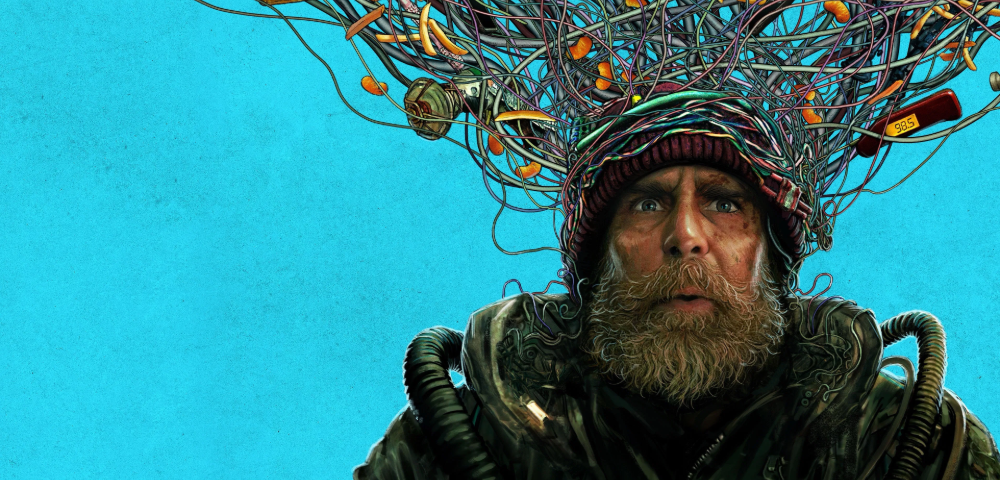
Image: Theatrical poster for 'Good Luck, Have Fun, Don't Die,' dir. by Gore Verbinski.
A starkly funny sci-fi adventure, Good Luck, Have Fun, Don’t Die is urgent and anarchic as the doomscrolling agenda it shakes its fist against.
Back after a decade, Gore Verbinski drops us into a Los Angeles diner where a man—just shy of a tinfoil hat—claiming to be from the future, takes a handful of patrons hostage to save the world from an AI harbinger of doom.
At its core, the film is a furiously maximalist rant about how much of our lives and precious attention we’ve already surrendered to machines designed purely to distract.
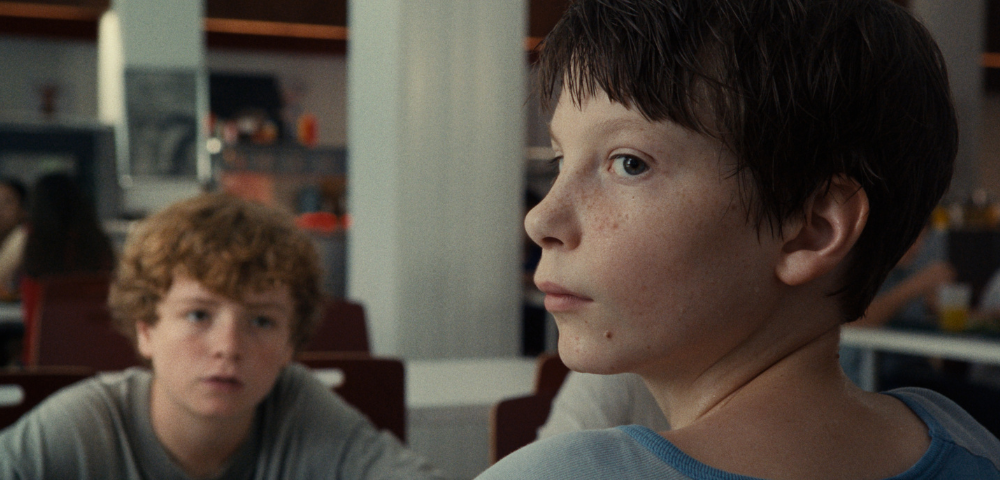
The not-so-distant world Verbinski paints is a satirical nightmare: teachers flounder in classrooms of tech slop-enslaved teens, VR hubs to waste away in, as Rockwell’s mission spirals into absurdity.
But while it lands some punches brilliantly, it often hits the same note too hard and too long.
Beyond the bizarre mission, Verbinski is interested in its hostages, the people whose lives have been colonised by the very thing they’re being asked to fight.
Sam Rockwell leads the film as a man, knowingly in over his head, on his 117th attempt at this exact mission, recruiting a new combination of people each time.
Rockwell is, unsurprisingly, electric. Brimming with signature frenzy, his totally unhinged man-on-a-mission drives the film, teetering between sombre hilarity and desperation. He’s nothing short of entertaining, chaotic and something the film needed more of.
The ensemble keeps pace. Hailey Lu Richardson grounds the film in raw emotion as a flinching antithesis: someone physically allergic to Wi-Fi—nosebleeds and all— in an overwhelmingly online world.
Similarly, Juno Temple brings warmth and quiet desperation as a mother navigating a world where grief has gone corporate, with school shooting victims outsourced to endless cloning.
Zazie Beetz, Michael Peña and Asim Chaudhry round out the cast, adding texture and levity.
Structured in chapters, the film burrows into a different character’s story before pulling them back into the larger picture, giving chaos something real to push against.
It’s clever and adds intrigue, but the film’s glaring issue of pacing remains persistent. Some moments drag quite a bit, already making what feels like a long, fantastical Black Mirror episode even longer—as well as leaving stretches where the urgency wanes and occasionally drowns in indulgence.
What starts as a sharp cultural provocation gradually softens into repetition, the runtime sagging under the weight of a director who has more to say than he has story left to say it in.
Technically, the film stuns. Slick camera work and restless editing keep the energy going for the most part, while the palette swings between muted, washed out tones to maximalist bursts.
Verbinski’s style flirts with Everything, Everywhere All At Once-like dystopia with a touch of Edgar Wright quirk, blending satire, comedy and emotional drama, though the chaos sometimes undermines its impact.
Fans of Sam Rockwell, irreverent sci-fi, or eccentric ensemble comedies will find plenty to enjoy—but be prepared for moments that drag, a sense of deja vu, and a few too many blunt thematic punches.
Entertaining and occasionally overstretched, Good Luck, Have Fun, Don’t Die runs rampant as a wild satire of digital dependency, delivering a resounding wake-up call—and serious reconsideration of screen time.
Good Luck, Have Fun, Don’t Die is available to stream on Prime Video now.





Leave a Reply