

Talking The Queer Horror And Desire Of ‘Leviticus’ With Creator Adrian Chiarella
“I wanted to make a film about that about how we were going backwards in a way, but I didn’t want to go backwards as a filmmaker,” says writer and director Adrian Chiarella.
“I’d noticed a lot of changes,” he tells Star Observer. “I grew up as a young gay man seeing all of this amazing progress amongst our community in terms of what was happening politically. And that led towards this moment in history where I was able to marry my husband. But then I noticed things sort of shifting in the last decade or so. A lot of that rhetoric that was going around in Australia during the marriage equality debate that sort of opened the doors into in terms of a lot of homophobic language and weird sort of micro-aggressions.”
And from this, Adrian Chiarella’s feature film Leviticus was born.
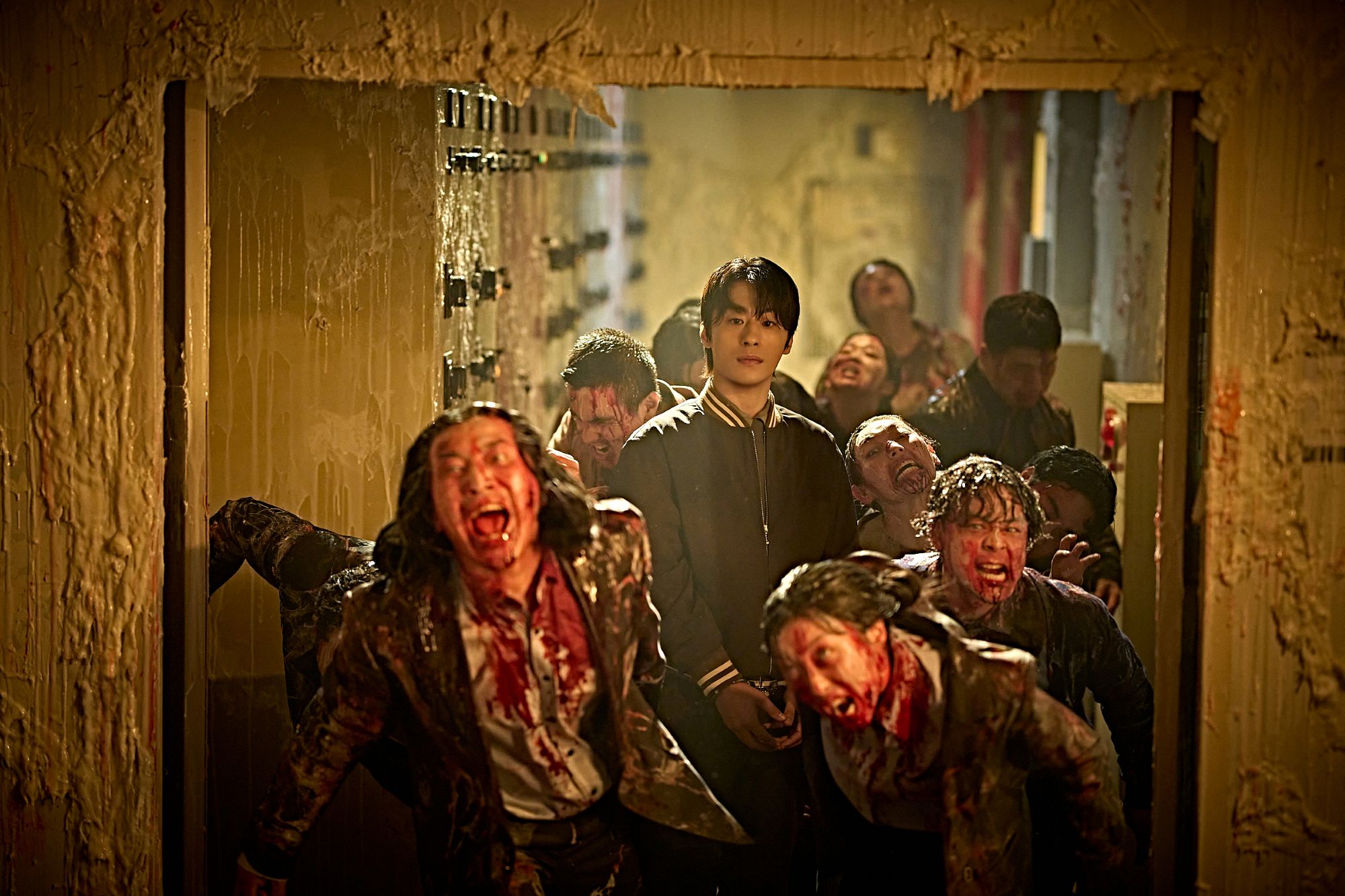
Leviticus is written and directed by Australian creative Adrian Chiarella, set in a conservative regional town where teenage boys Naim and Ryan form a powerful, forbidden connection. Their emerging relationship places them at odds with a strict, God-fearing community, and once their attraction is discovered they are subjected to a coercive “conversion” ritual intended to suppress their feelings.
Chiarella says that his decision to make a horror film centred around queer desire was partly because the genre is a comfort to him “in a weird way”.
“Something about the way that that genre represented otherness and sort of the strange feelings that you experience on your journey to self-discovery. I wanted to tell a film in that space.”
Chiarella says that there’s a great tradition of horror in Australian film – we talk about the Australian film The Babadook which accidentally became a queer horror icon.
“Back in the days when the experience of LGBTQIA plus people was totally taboo, a lot of amazing artists and writers used horror to explore the themes of otherness and that destabilising sense of self discovery,” he explains.
“I’ve heard certain people describe a kind of sub-genre of Australian movies as a ‘suburban nightmare’. And we definitely didn’t want to shy away from that tradition when we made this film. We wanted people in Australia and around the world to know that they’re in that sub-genre of film, and then also realise that a queer love story is happening inside of that world and that was a really really special and distinct thing that I wanted this film to depict.”
What follows is a chilling supernatural turn: a violent, shape-shifting entity is unleashed, taking the form of the person they desire most – each other. Blending coming-of-age romance with psychological and supernatural horror, the film uses its premise to explore queer desire, repression, and the effects of religious intolerance, while pushing the characters into a desperate struggle between love, fear, and survival.
“I’d read a lot of stories about exorcisms being performed on queer teenagers in cultures all around the world. I thought for a while maybe I’ll do a film like The Exorcist but with this sort of queer spin to it, but then that didn’t seem to work, it just seemed to perpetuate the myth that people who believed in those practises were going for this idea of a gay demon so I started thinking about other ideas around that. And then I thought, what if they put something in them that scared them out of their desires, scared them away from their feelings. And that’s when I came up with this entity or horror movie monster that takes the form of the person that you most desire.”
In order for the horror of this situation to work, Adrian Chiarella explains that there needs to be a strong connection and love story between the two young actors at the heart of the story, Joe Bird and Stacy Clausen who play Naim and Ryan.
“Not only does the love store not work if we don’t feel that connection, but the whole mechanism of the horror monster is not going to work either. So we spent a lot of time both casting and finding the right two actors who had that connection and had that chemistry.”
To strengthen that connection, he sent Bird and Clausen on little adventures, such as walking through the regional towns they were filming in or shopping centres and remaining in character, or getting lost and having to find each other.
Chiarella wanted the nascent romance between Naim and Ryan to feel real, so that it juxtaposed the horror that springs from it. And while there’s a very clear nod to the idea of the monster representing the harms of conversion therapy, Chiarella notes that he doesn’t like to think of the film as specifically about that one issue.
“I think it’s about homophobia in all shades – and the metaphor of this monster stands in for that. But I think that all the scenes and all the characters are exploring different variations on that idea of homophobia, whether it is internalised homophobia externalised homophobia, institutionalised homophobia through churches and those sorts of places.”
Leviticus is playing at Sydney Film Festival before releasing in Australian cinemas on June 18th.



Leave a Reply