
Heritage Homes In Peril Amid Development Boom
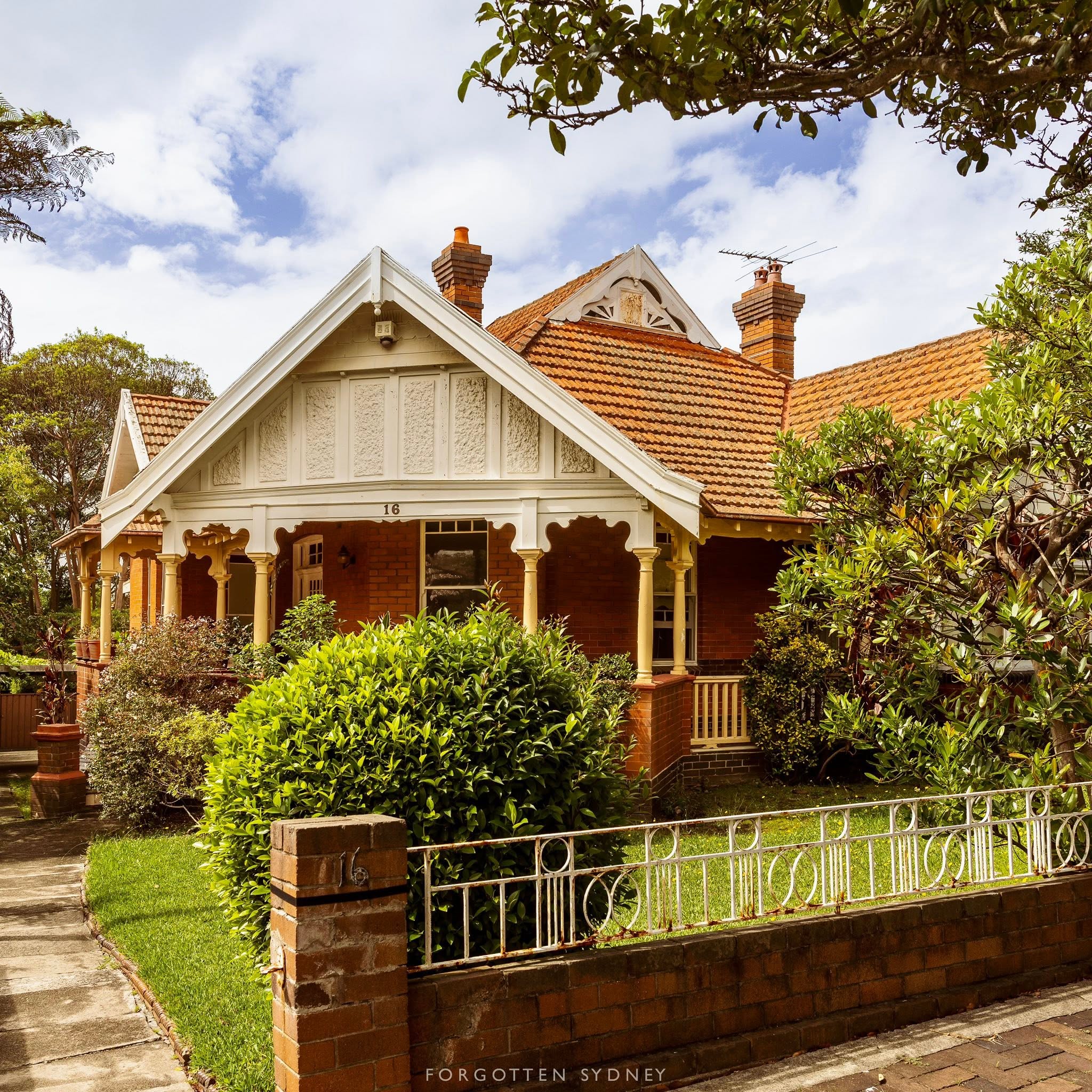
Image: Drew Hoy / Forgotten Sydney
Ravenscraig, formerly at 16 Darley Street in Marrickville, is just the latest historic home to become a victim of Sydney’s perpetual redevelopment. Its demolition for three two-storey terraces reflects a broader trend that many find troubling.
The distinctive Federation house was built in 1914. Until its sale to a developer this year, it had been owned by just three families.
Public opinion on the demolition has seemed unanimous. The Inner West Council stressed that it was not to blame, because the works were approved by a private certifier as a ‘complying development’ under the Low and Mid-Rise Housing reforms passed by the Minns Government.
The house would have been protected had the Government undone its rezonings and implemented the Council’s Our Fairer Future Plan as requested in late 2025, the latter said.
“The LMR policy came into effect last year, overriding local planning controls. The Darley Street redevelopment demonstrates Council’s concerns about the impact of this one-size-fits-all approach on our community.”
Planning minister Paul Scully told the City Hub that the property “was not a local or state heritage item, nor was it in a heritage conservation area.”
“Housing and heritage should, do and can co-exist, but our cities are not museums; they need to grow and change.”
Heritage houses facing demolition
Sydney’s development boom has placed heritage houses of Federation, Edwardian and other beloved styles in peril. The December 2024 demolition of the former Burwood home of the Young brothers, of AC/DC and Easybeats fame, springs to mind. It, too, was knocked down through the ‘complying development’ pathway.
Historian and photographer Drew Hoy documents Sydney’s historic houses on his ‘Forgotten Sydney’ social media pages, boasting 61,500 followers on Instagram. “Historic homes and apartment buildings are facing demolition to make way for new fast-tracked, large-scale developments across Sydney.”
“These are being driven by unrealistic and aggressive housing targets, with little consideration for the heritage value of these neighbourhoods, or the additional infrastructure required to support them.”
“There’s an alarming concentration of risk in suburbs like Edgecliff and Woollahra due to rezoning led by the state government. This proposal aims to add 9,400 new homes to these suburbs.”
The two neighbourhoods currently have around 5,200 private dwellings, meaning the plans would almost triple dwelling density.
“To put those numbers into perspective, the entire masterplan for Bradfield, the new city being built from scratch next to the Western Sydney Airport, is only zoned for a total of 10,000 dwellings.”
Hoy said that the Inner West Council’s Our Fairer Future Plan 2, envisioning 30,000 additional dwellings by 2039, is creating severe pressure.
“The draft plan is also proposing to remove heritage protections from some 566 properties, with suburbs like Stanmore and Leichhardt bearing the brunt. While some suburbs like Annandale and Balmain are largely spared, the plan sets a dangerous precedent and represents a devastating approach to town planning.”
Lessons from Brisbane
He continued that the Housing Delivery Authority’s power to give State Significant status to development applications, overriding councils and heritage protections, is “effectively making everything fair game for developers.”
“I’d like to see automatic protections for historic homes similar to what’s already in place in Brisbane. Under Brisbane’s Traditional Building Character overlay, houses built before 1947 are protected from demolition or unsympathetic alterations to preserve the character of streets and neighbourhoods.”
“The legislation is flexible enough to allow modern rear extensions and internal renovations, while retaining or restoring original period facades.”
“Sydney desperately needs something like this. The character of our historic suburbs should be protected by default and not allowed to be erased under the state-led Complying Development Certificate process, whereby projects can be privately certified to bypass local council controls.”
Hoy believes that houses built from the 1950s through to the 1970s also deserve greater protection.
“Heritage advocates aren’t against development,” he stressed. “Adaptive re-use needs to be encouraged and incentivised to convert existing structures into modern housing.”
“This is far more sustainable than sending tonnes of bricks and timber to landfill. We can build a larger, denser Sydney through thoughtful planning, community consultation, and local government oversight.”


Leave a Reply