‘Plainclothes’: Tom Blyth Commands A Pressure Cooker Of Paranoia And Desire

An intense, slow-burn romantic thriller set in 1990s New York, Plainclothes thrives on tension, forbidden desire and a commanding performance from Tom Blyth.
Carmen Emmi’s confident debut follows Lucas (Tom Blyth), an undercover officer tasked with entrapping gay men in a city gripped by moral panic. But soon, his controlled world spirals when he forms a connection with one of his targets, the enigmatic Andrew (Russell Tovey).
As their secret rendezvous intensifies, Lucas is torn between duty, desire, and the ever-present threat of exposure, all while grappling with grief over his father.
Blyth anchors the drama with precision, inhabiting Lucas’ repression, vulnerability, and escalating obsession. Every fraught glance and hesitant gesture conveys palpable paranoia, and each encounter with Andrew awakens both desire and moral turmoil.
Tovey’s Andrew remains enigmatic yet magnetic, his controlled appearances slipping between warmth and indifference.
Together, every encounter is precarious and charged, delivering steamy tension. Doomed from the start, their connection feels hypnotic, weighted with longing, risk and desire.
Meanwhile, family and community close in like walls: a homophobic uncle looms while Maria Dizzia, in a skilful turn as Lucas’ mother conveys sorrow in just a tilt of her head or brush of a tear. Even minor characters from relatives to colleagues feel real, heightening the claustrophobic pulse of a world policing morality.
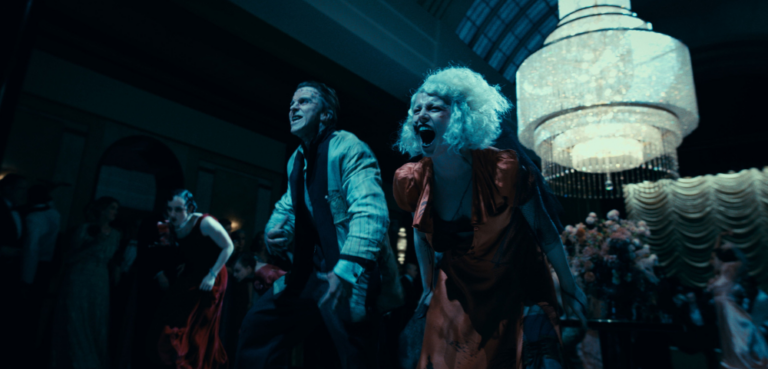
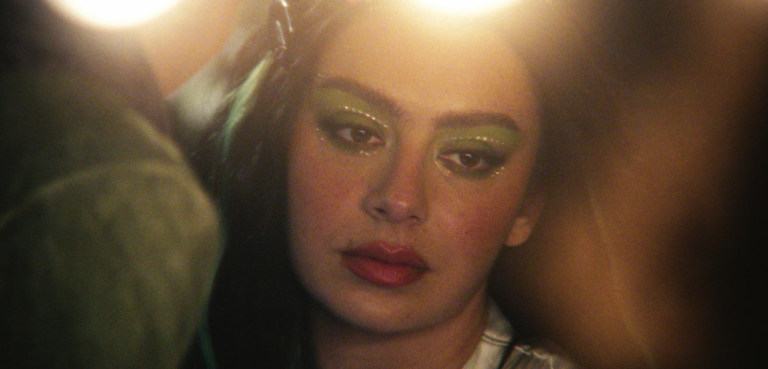
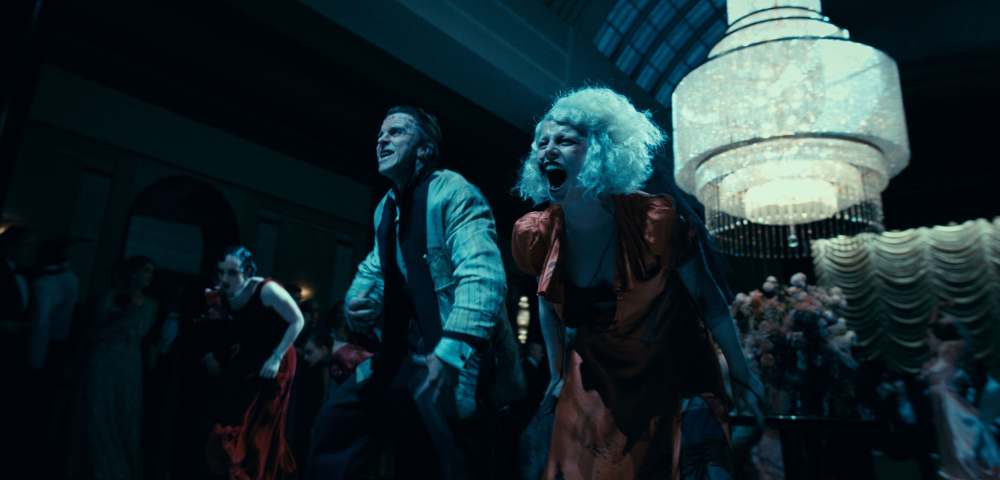
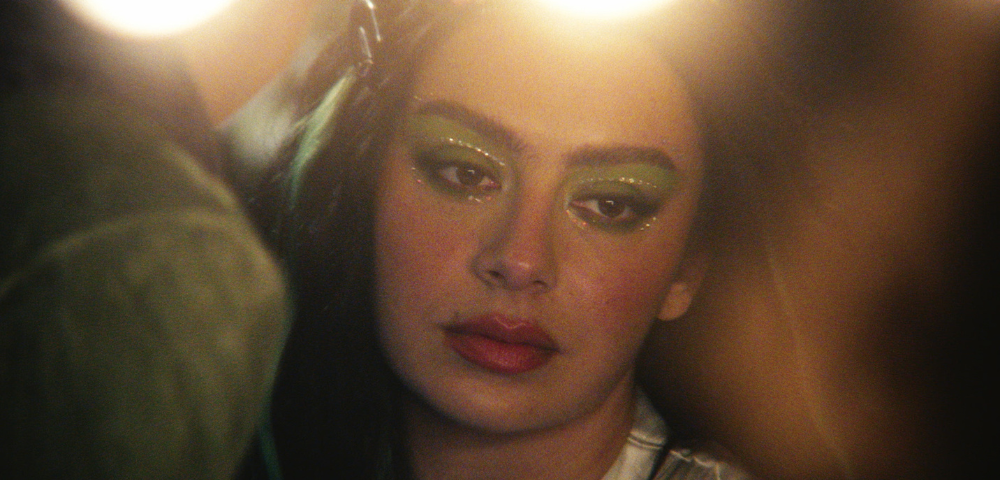
Emmi’s visuals echo this slow-burn tension. Shot on film and spliced with vibrant, grainy VHS textures, the film achieves a disorienting, dreamlike quality that is both anxiety inducing and strikingly beautiful
Surveillance and voyeurism saturate every frame, placing viewers in the dual role of watcher and watched. Silence carries weight throughout most of the film as glances, pauses, and body language convey more than dialogue could, culminating in a gut punch final act
A moving score hums beneath every scene, swelling at the edges of intimacy and anxiety. And a single music-video-like sequence further intensifies Lucas’ emotional unravelling as he frays under the constant gaze of others.
While the story starts cautiously and occasionally treads familiar ground—Blyth’s arc as a conflicted, closeted cop at times feels surface-level and Tovey’s Andrew undercooked at a deliberate distance—the combination of mood, texture and performance sustain a simmering, immersive tension throughout.
The ending, though abrupt and heightened, lands emotionally, honouring the film’s eager tension and stakes.
Plainclothes is for anyone who savours character-driven storytelling, slow-burning erotic tension, and windows into a not-so-distant past where identity feels like a constant performance under scrutiny.
By the final frame, heartbreak and fleeting triumph coexist in a way that’s strangely reminiscent of Fleabag, leaving a pulse of hope threaded through secrecy.
A beautiful pressure cooker of a film where desire itself becomes evident in a world steeped in surveillance, Plainclothes confirms Emmi as a filmmaker to watch—one with a keen eye for intimacy, restraint and visually captivating storytelling.
★★★½
Plainclothes is in cinemas from March 5.