Sydney Dance Company’s Final Season of ‘New Breed’ Delivers A Fearless Commitment To New Ideas
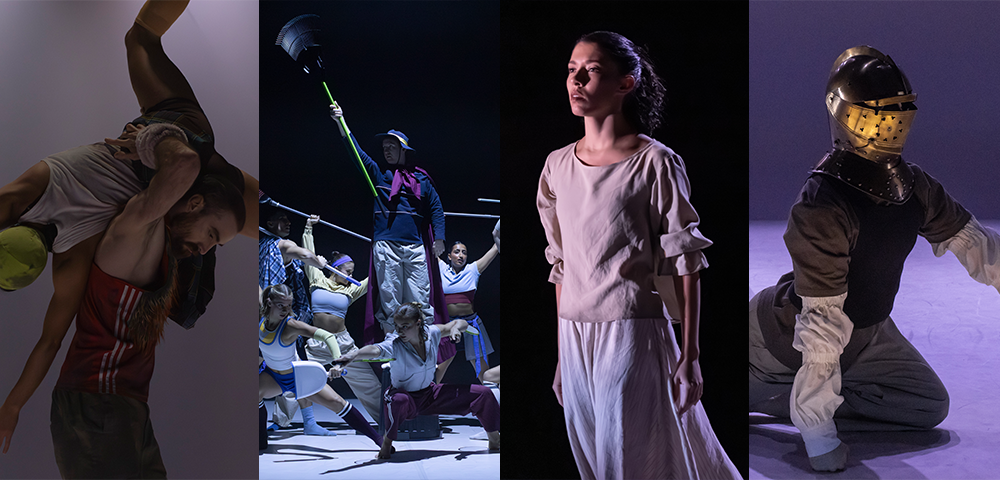
Image: Photos: Pedro Greig
A thin beam of light sweeps the Carriageworks floor, illuminating seven bodies lying still in a circle. Fractured music erupts. The bodies are electrified into movement. The final season of Sydney Dance Company’s New Breed begins.
Over the next hour, dancers spin, leap, melt, and sprint over the small stage – bringing to life poetry penned by some of the country’s most promising new choreographers. An achievement only made possible by the monumental talent, funding, and influence the famous twelve-year-old series provides.
Beginning as a conversation between Artistic Director Rafael Bonachela and late art philanthropist Neil Balnaves in 2014, New Breed was initially a response to a belief that the future of dance depends on supporting new choreographic voices.
“At the time,” Bonachela told me in an interview, “there were limited opportunities for emerging dance makers to create at scale with a professional ensemble behind them. New Breed was designed to bridge that gap. It was about opening the doors wider, offering genuine support, resources and trust so artists could step forward and present to audiences their creative perspectives.”
With 49 up and coming choreographers now creating major commissions, leading companies, and touring internationally, the impact of this opportunity within Australian and international dance cannot be understated. Though, with the company now transitioning into an artist-in-residency program instead, New Breed looks to raise its glass and take a final bow.
And it does so in style.
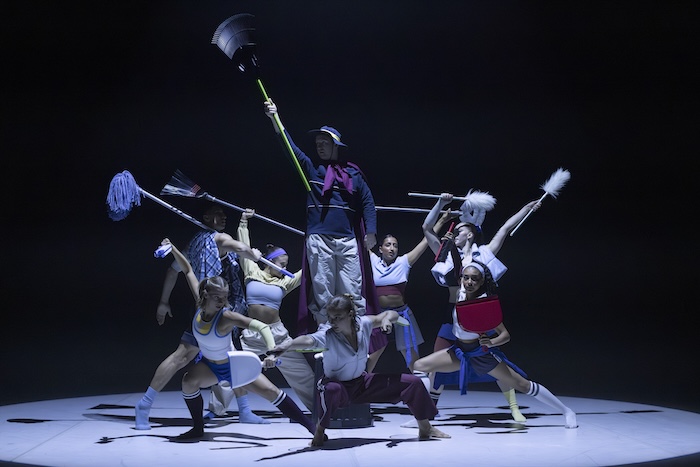
Ryan Pearson’s Save Point beautifully captures the joyous wonder of childhood imagination. Characters play across the stage in a series of scenes orchestrated by the central, cape- wearing protagonist’s flights of fancy. They wield mops, brooms, and dustpans. They battle and they embrace. They make you long for those days of pure childlike innocence.
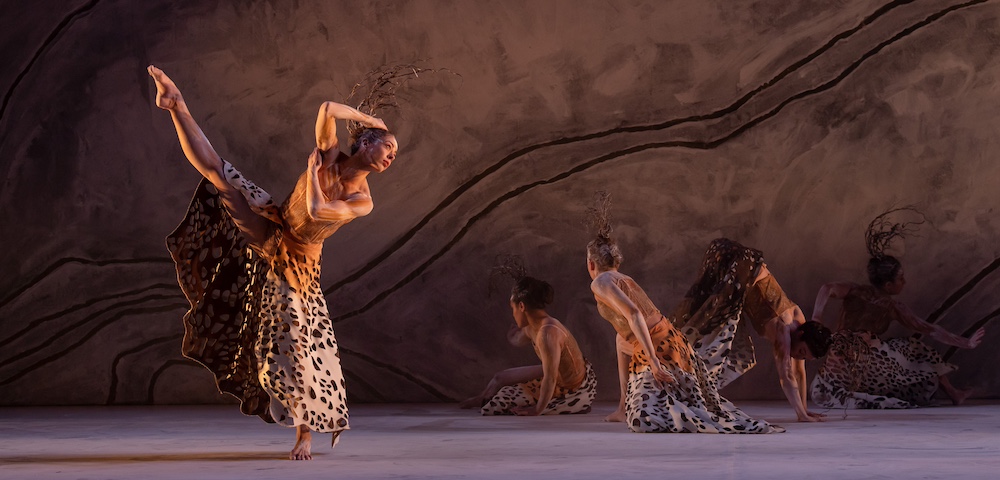
Ngaere Jenkins’ From The Horizon Thereafter intimately meditates on human connection to land. Bodies made from mud fluidly mould together. They shape into unruly dripping figures. They dance slowly, clumsily and lovingly with the central protagonist. Until, to the spare sound of Māori song, they athletically leap to life.

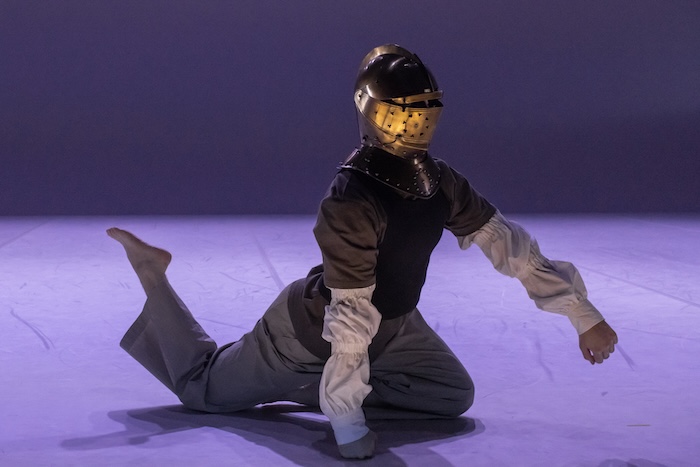
Emma Fishwick’s Marathon, O Marathon, seems like a medieval painting animated, and told to reflect the anguish and absurdity of the modern day. Opening with a knight who crumbles to the floor, characters – seemingly as confused by their actions as we are – run in circles around the stage, monotonously recite marathon times, and trot horse-like in packs.
Combined into a chaotic work of comedy and contemplation, the overwhelming absurdity of the piece is akin to that which we regularly experience in contemporary current affairs.
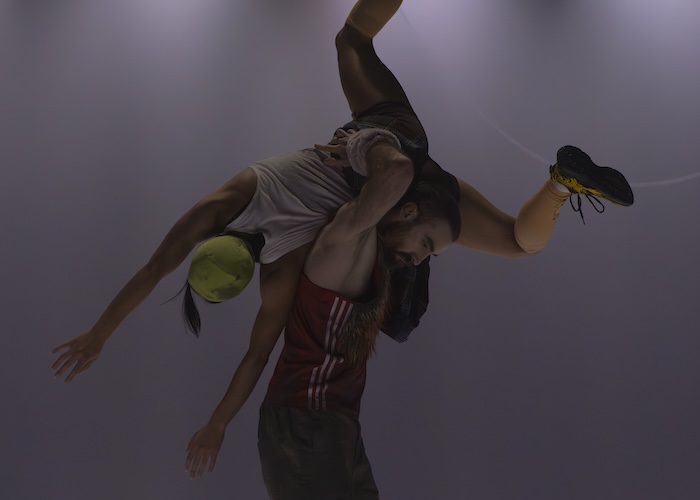
The thrilling finale of the showcase is described as ‘a dystopian vision in which a global virus collapses humanity and gives rise to a post-apocalyptic world of punk pigeon people.’
Harrison Ritchie-Jones’ Pigeon Humungous is filled with flashing lights, acrobatics, martial arts, and supernatural murder. Yet, despite the bizarre concept of the work, the audience is quickly absorbed in the chaotic pecking order of these twitching, expertly choreographed mutants. Shock, horror, and confusing tenderness brings the performance to a breathtaking
close.
“Together,” Bonachela told me when I asked him why he chose these artists, “they form a quartet that embodies everything New Breed has championed over twelve remarkable years: diversity of thought, bold artistic inquiry, and a fearless commitment to new ideas. For our final instalment, we wanted to celebrate that legacy by choosing artists who not only represent the best of where Australian dance is now, but who also signal where it is going next.”
New Breed is running at Carriageworks from 3–13 December, 2025.
All photos: Pedro Grieg.