
Susannah Place To Throw Street Party To Celebrate New Heritage Works
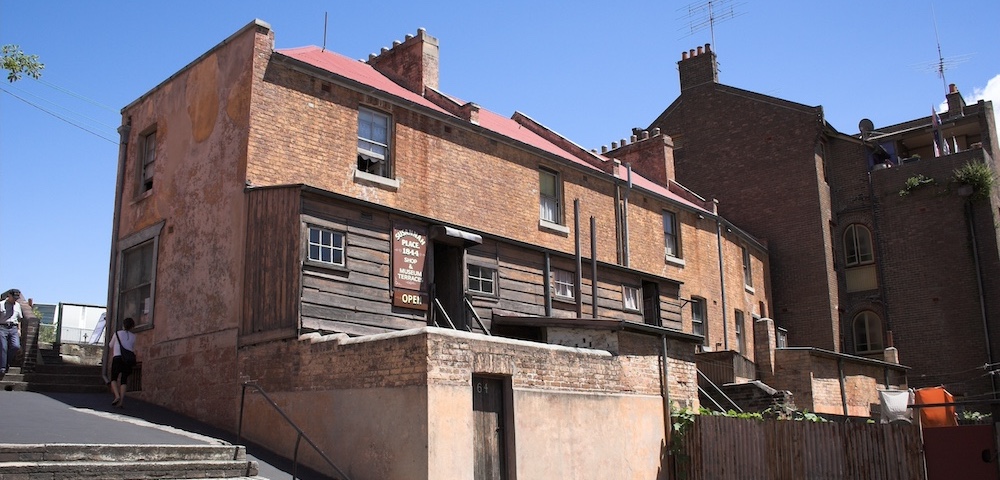
Image: Image: Leo Rocker
The completion of a once-in-a-generation heritage building conservation project is being celebrated at Susannah Place, with the museum ready to welcome in a new chapter in its history by throwing a vibrant street party.
Having been a fixture on Gadigal land in The Rocks since 1844, Susannah Place was built for Irish immigrants and has survived slum clearances, redevelopment, and gentrification, standing as a rare and powerful reminder of Sydney’s working-class heritage. Over almost 150 years, more than 100 families called the building home, with their stories living on as a testament to Sydney’s urban and social history.
The preserved interiors of the four terraces, along with original belongings of those who lived there, offer an unvarnished look into the resilience, routines and resourcefulness of Sydney’s past residents.
This Saturday, October 11, all four terrace houses will open to the public to explore as part of a free, family-friendly street party. Artist-led workshops, live music, talks, old-fashioned games and nostalgic treats from the recreation of a classic 1915 corner shop will all be on offer, celebrating the lives and legacies of the people who once lived at Susannah Place.
“The street party is a celebration of community, history and the everyday lives that shaped Sydney,” said Annette Pitman, CEO, Museums of History NSW. “Susannah Place has long held a special place in our city’s story, and we’re thrilled to welcome locals and visitors to experience it in a way that is lively, meaningful and deeply connected to the people who once called it home.”
A new chapter just in time for the warmer weather
The multi-year conservation project in collaboration with Museums of History NSW and Placemaking NSW, attempted to safeguard the history of the site by doing as much as necessary, while changing as little as possible.
The combination of traditional techniques with innovative conservation methods allowed the project team to respond sensitively to the building’s delicate condition, stabilising the 181-year-old terrace row while also uncovering new details about how the houses were built, repaired and adapted over the years.
The project’s completion allows the museum to host newly enhanced and immersive guided tours, offer a deeper insight into the everyday lives of the families who once resided there. Launching from October 16, visitors can access all four terrace houses for the first time in five years, and see how generations of working-class people lived, worked and adapted to the changing city around them.