
‘Sirât’: A Cry For Meaning In A World Full Of Cruelty
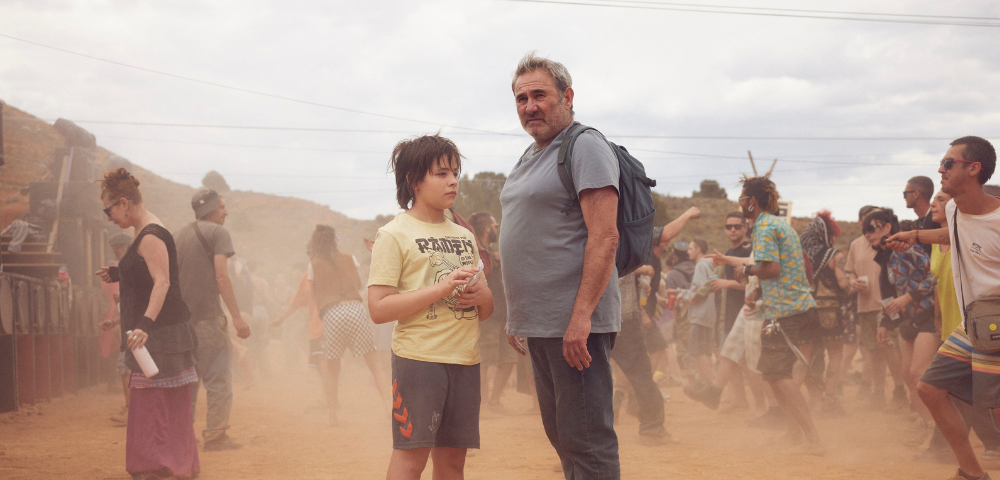
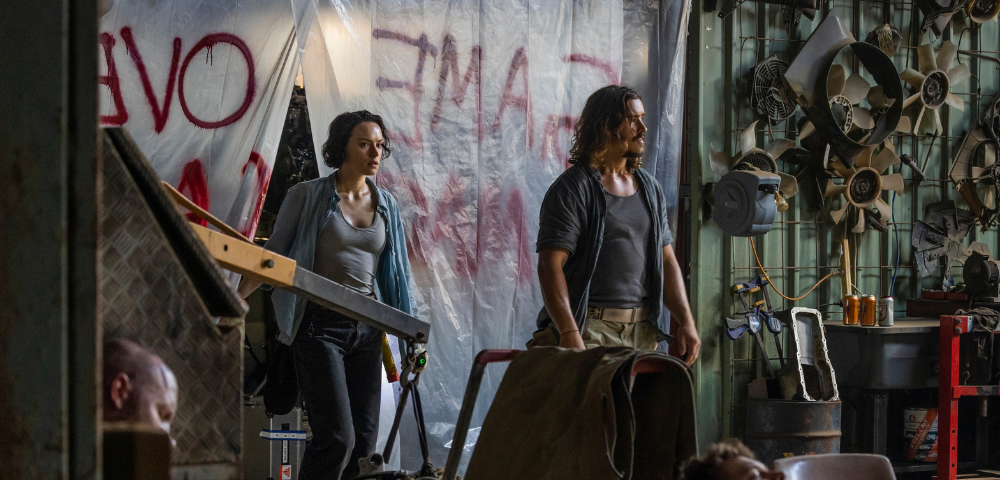
Image: Photo credit: Quim Vives via Madman Entertainment
As the world around them descends into war, people are partying until they can’t anymore. That includes Mar, who has been drifting from rave to rave in Morocco and has been officially missing for five months. Her father Luis (Sergi López) and brother Esteban (Bruno Núñez Arjona) are searching for her in the dusty alcoves of loud beats and debauchery scattered across the country in French director Óliver Laxe’s Sirât.
But alas, Luis and Esteban can’t find Mar. Their only hint is that she may be heading to another party, deep in the Saharan desert near the Mauritian border. Following a group of ravers, Luis and Esteban are thrust into increasing danger on their journey to find Mar.
Although most straightforwardly an ultra-stylish road movie that becomes increasingly more dangerous, Sirât can more accurately be described as a cry for meaning in a world of relentless cruelty. What begins as a propulsive quest to find a missing family member rapidly transforms into a seriously bleak exploration of what it’s like to try pursue meaning in a world seemingly intent on proving it has none.
A propulsive, nerve-wracking road movie
This sensation mostly hides itself at the beginning of Sirât, beginning with pulsating rave music that soon takes on a droning quality. Luis and Esteban helplessly ask around the festival trying to find even a trace of Mar, who we as an audience know and learn staggeringly little about across the course of Laxe’s film.
Sergi López and Bruno Núñez Arjona establish a genuinely charming connection early on in the story, convincing as family members desperately trying to find one of their own before it’s too late. In the fictional reality of Sirât, a nondescript incident has occurred that’s sparked something like World War III, but rather than fully grapple with what it means, each character in the film deliberately ignores it.
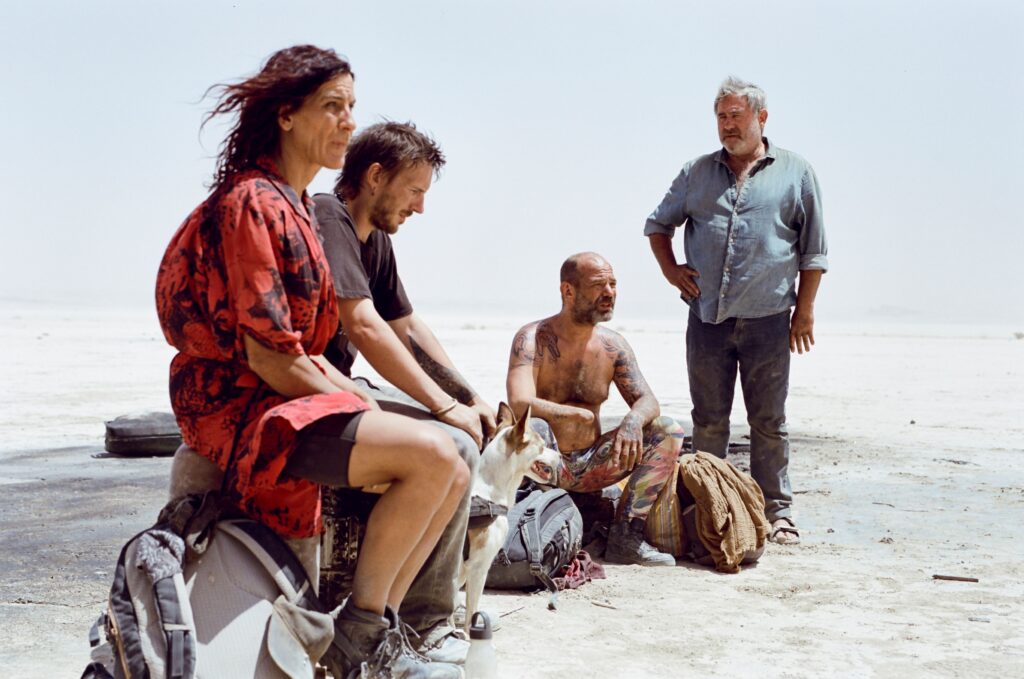
In this, the goal of moving to the next rave or finding Mar gives each character in Sirât a reason to avoid returning to the rapidly changing world. Though the pentuplet of ravers and their actors are delightful to watch – special mention to Richard Bellamy, Stefania Gadda and Jade Oukid – the rituals of movement and music allow each person to bury their heads in the infinite sands of the Moroccan desert.
Sirât asks us: what now?
To be fair, what beautifully phantasmagoric rituals they are. Sirât is a genuinely propulsive and heart-pounding film with an exceptionally strong grasp of filmmaking, with stunning visuals and a fantastically ominous soundtrack by Kangding Ray that further makes the moments of seemingly cosmic cruelty sprinkled throughout hit that much harder.
There’s a tacility to the filmmaking on display that makes each bump in the road, creak of a wheel, and thump of bass vibrate throughout your entire body in a genuinely anxiety-inducing way that thrives in a cinema. It reminded me heavily of The Wages of Fear, a classic of the highly goal-oriented road genre, but it’s willing to go even further with its nihilistic worldview than that movie does.
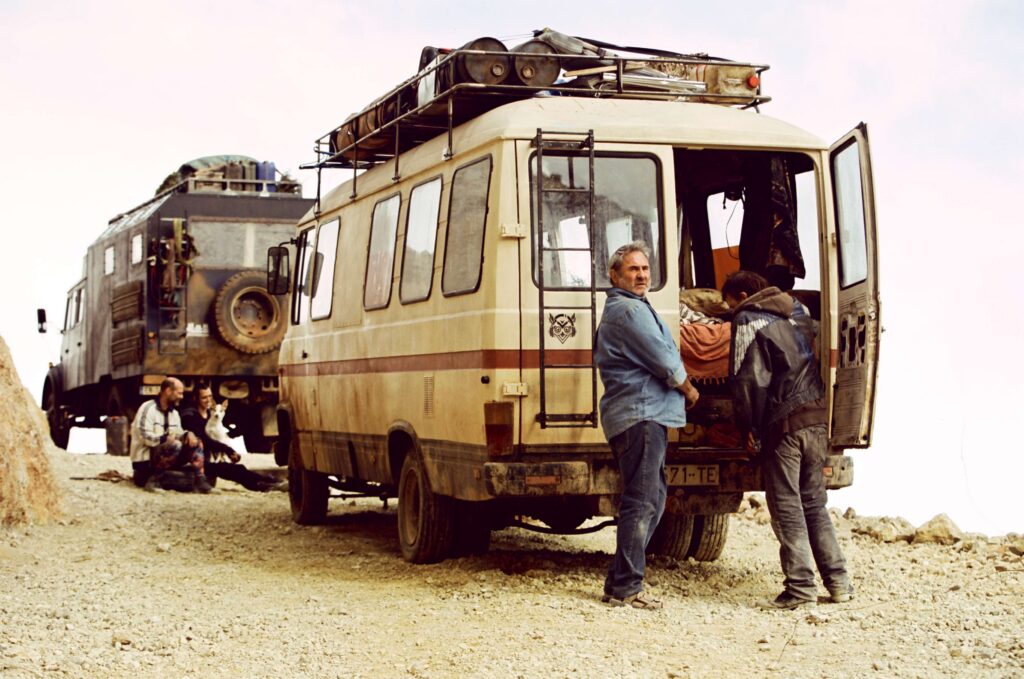
Indeed, despite exceptional craft and occasional levity, Sirât is a relentlessly bleak affair. It resolves with very few answers on whether what the characters did was right, nor where they are meant to go once the credits start to roll. In that way, its ending points a mirror back to us and asks of our own times: what now? Nobody can answer that for you or me, but it’s a testament to Sirât’s quality that it can at least make us think about it.
★★★★
Sirât is in cinemas on February 25th.









Leave a Reply