Rats In The Roma & Other Sydney Critters (Naked City)
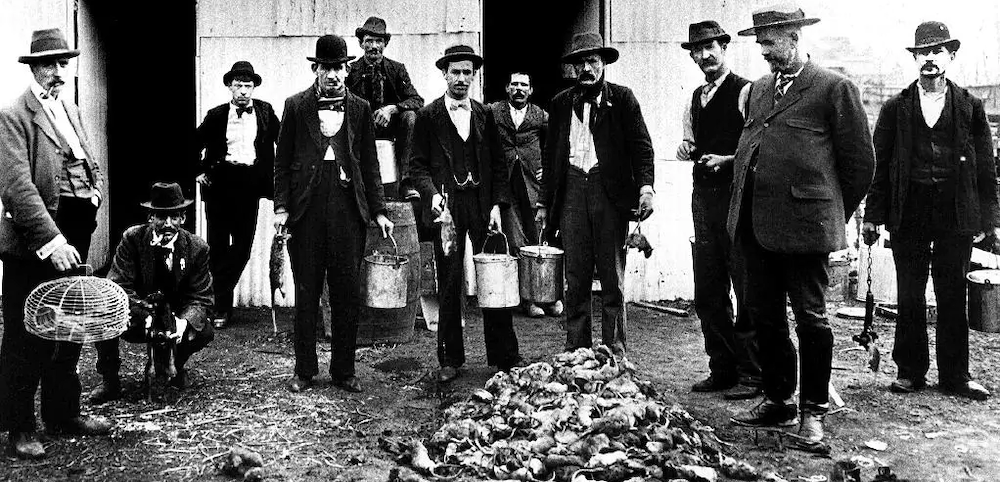
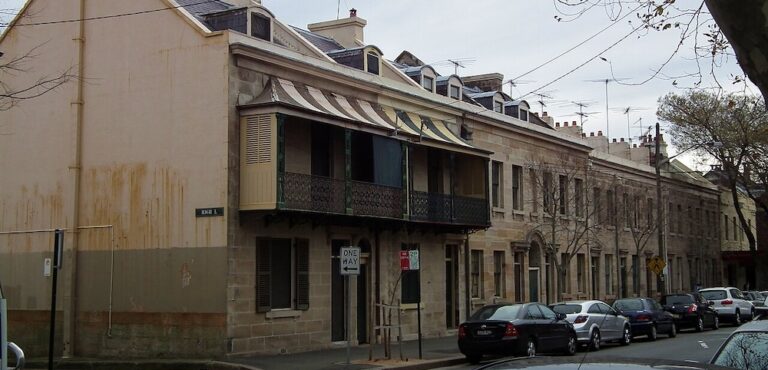
Image: Photo: Wikimedia Commons
Ever since the arrival of the First Fleet and the colonial invaders Sydney has been host to a variety of feral and largely unwanted critters – from rats and foxes to flocks of pooping pigeons. They have often competed for territory and sometimes threatened the existence of native fauna like possums, reptiles and a multitude of bird life.
There’s a statue of Captain Arthur Phillip atop a fountain in the Botanic Gardens where he’s holding a scroll in one hand. That probably should have been a packet of Ratsak, for when the First Fleet hit our shores in 1788, they arrived with hundreds of Black and Brown rats. Needless to say they multiplied in their thousands. They were later joined by a multitude of infected rats, arriving by ship in Darling Harbour around 1900, and carrying the dreaded bubonic plague.
When the dreaded lurgy hit town over one hundred Sydneysiders died, with countless more infected. The Government embarked on a mass eradication campaign with bounties paid to the general public of up to sixpence a rat. The cull resulted in 100,000 rats roasted in a Bathurst Street incinerator. The plague might have been halted but the rats remained and have been an ongoing problem ever since.
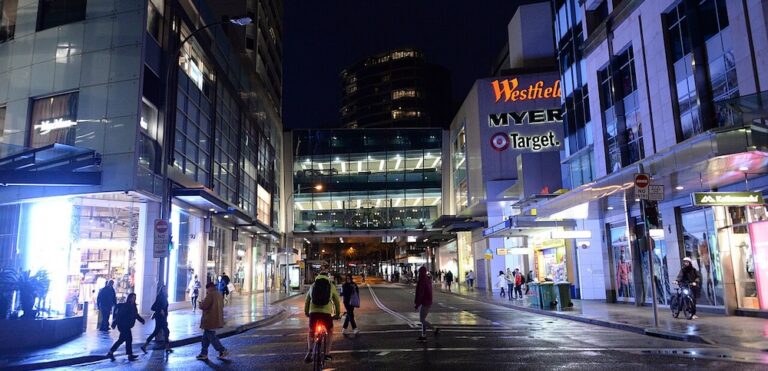
During the 1980s, the Roma in George Street was a popular arthouse cinema. It was built directly above the underground railway line from Central to Town Hall, and you could often hear a subsonic rumble beneath the cinema seats. It also meant that the rats who lived in the railway tunnels often found their way up into the Roma to feast on popcorn and candies dropped by movie patrons. The sight of a big brown rat scurrying down the aisle in the middle of a Fellini movie was not an uncommon occurrence.
These days the Sydney City Council does not have a dedicated ratcatcher, but does employ licensed pest exterminators for a problem that refuses to go away. Many city and inner city residents are reporting an increase in the rat population – the partial result of overflowing garbage bins and tunnelling for the Metro, which disturbs their normal subterranean haunts. There are also claims that the rats are becoming bigger, a lot more cunning and daringly audacious in their quest for food.
It may seem an outrageous number but it’s estimated that over half a million feral cats roam the streets of greater Sydney, blamed annually for the deaths of millions of small native animals and birds. They are expert predators and surely they have a profound effect in eliminating many of the rats. Take the cats away and we could be relying on a small number of owls, eagles and hawks to trim their population.
Throughout the 1930s Australia was severely impacted by the worldwide Great Depression, and some families even resorted to trapping and eating wild pigeons. Whilst some people enjoy farm raised squab today, the flying rats on the Depression menu often carried parasites and disease. Along with cats and rats, pigeons have long been regarded as pests by both the public and authorities alike. The CBD is awash with their faecal calling cards, and even their wretched prolonged cooing can keep you awake if they are loitering right outside your bedroom window. Damn ‘flying rats’!
If you do have a pigeon problem, you might try what the City Of Sydney Council did way back in the early 1900s to combat the pigeon plague. Fake owls were positioned in strategic spaces and initially proved an effective deterrent. However many pigeons proved as smart and as cunning as their neighbouring rats and soon learned to distinguish between a stuffed hooter and the real thing.
Whilst rats and feral cats operate with a degree of subterfuge, the long beaked ibis, or ‘bin chicken’ as it is better known, is a blatant daytime scavenger. But even though they rustle through garbage containers, they also clean up scraps of food lazily discarded by human beings in parks and other public spaces. They are nature’s vacuum cleaners and whilst many people see them as a nuisance, they are now part of an unruly cycle. Less food for rats, more rats for cats and a feast for owls and hawks.
For visiting tourists the ibis is an icon of Sydney, along with the hundreds of sulphur crested cockatoos that compete for handouts in the Botanic Gardens and provide that essential photo op. Likewise there’s a real thrill when they encounter a cuddly brushtail possum, scurrying from tree to tree in Hyde Park when the sun goes down.
Anybody who lives in the country will tell you possums can be a problem when they set up home in your roof spaces, but in the mid-1980s, one big old brushtail actually took up residence in the Mandolin Cinema in Elizabeth Street. It often appeared during screenings, much to the mirth of patrons in the immediate front rows, who would often burst into laughter even during the saddest movies. After two months of living on popcorn and the odd Jaffa, and defying trapping, it was relocated to a more natural environment in Hyde Park.
We grizzle and groan about all these urban critters but their explosion is all our own doing. Prior to European invasion, the Indigenous peoples of this land presided over a largely harmonious natural environment. We have screwed that up in so many ways, and in 2026 look out folks — it seems all our bin chickens are coming home to roost!