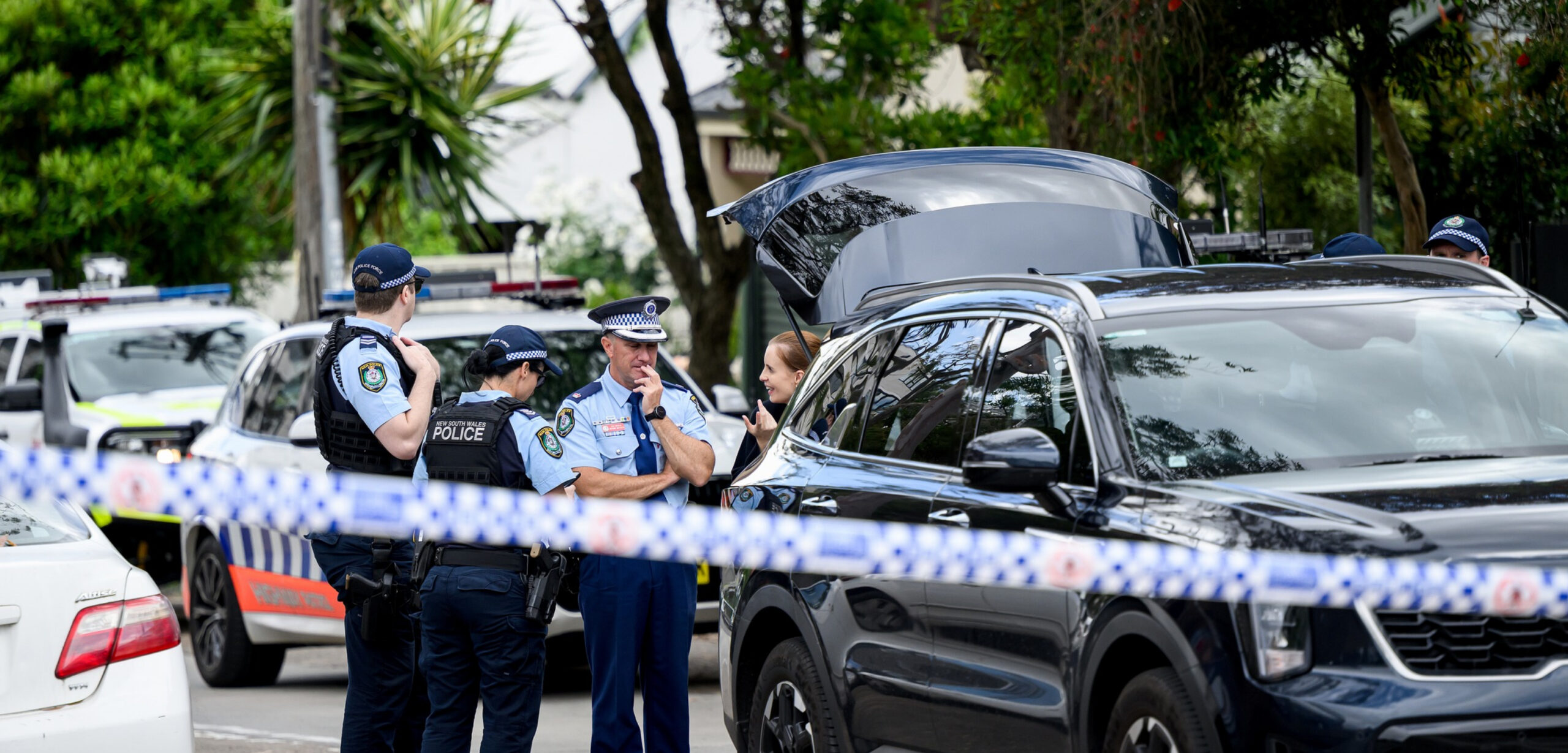
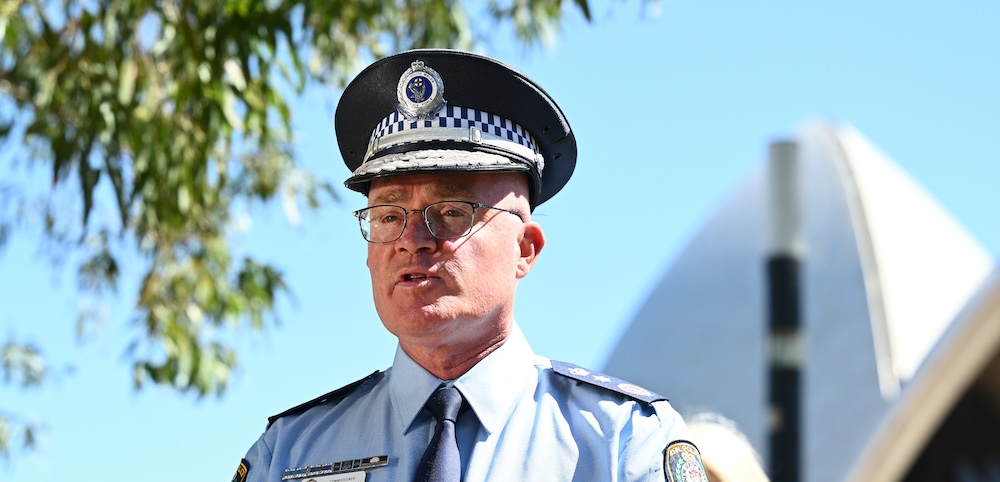
New South Wales Police Commissioner Mal Lanyon has extended the emergency public assembly and protest restrictions for a second time, continuing extraordinary powers introduced in the wake of the Bondi terror attack.
The extension keeps in place the Public Assembly Restriction Declaration (PARD), which limits the ability for protest organisers to obtain formal authorisation for marches and demonstrations in parts of metropolitan Sydney. The declaration, first enacted in December and renewed earlier this month, will now remain in effect for a further 14 days.
Under the declaration, police are able to refuse authorisation for public assemblies that would ordinarily be permitted under NSW law. While ‘static gatherings’ are not expressly banned, the absence of formal approval removes legal protections typically afforded to protesters, including exemptions relating to traffic obstruction and public order offences.
“This is a time for calm. It’s a time for peace. It’s a time for the community to come together,” said Commissioner Lanyon said.
“We are still less than six weeks from the most serious and devastating terrorist attack ever in NSW. I want to make sure that as a police force, we ensure that community safety is the priority.”
“The legislation that came in that allows for a Public Assembly Restriction Declaration is designed to take the tension out of the community.
“With the rights to protest comes the right to be responsible.”
The scope of the declaration has changed from the original PARD, however, with Lanyon specifying he had “significantly limited its scope”.
The restriction now covers all of the Eastern Suburbs Police Area Command, as well as from Darling Harbour through the northern part of the CBD to Oxford Street.
Commissioner Lanyon confirmed the restricted area does NOT include Hyde Park, where Invasion Day (January 26) rallies are planned.
“It’s about getting the balance right between community safety and a right to protest. The protest that is planned by the First Nations community on Australia Day will be managed down through College Street and out of Southern Sydney,” he said.
“I am satisfied that reduces the risk to the community.”
However, the opposing March for Australia protest, also planned on January 26, was “being conducted outside the specified areas,” said Lanyon, but clarifying that police “have significant and ongoing discussions with all protest organisers.”
Invasion Day rallies expected to proceed
However, community and protest groups have made it clear the restrictions would not have deterred them from marching, no matter what the announcement today had been.
Paul Silva, who has helped organise previous large-scale rallies, said protest organisers were preparing for tens of thousands of people to attend Invasion Day events, regardless of whether police authorisation is granted. He said communities had already factored the risk of arrest into their planning.
More than 100 members from groups including the Blak Caucus, Palestine Action Group, Pride in Protest and Stop the War on Palestine have publicly stated they intend to proceed with protests even while the declaration remains in force.
Civil liberties groups have also raised concerns about the ongoing use of the powers. NSW Council for Civil Liberties president Timothy Roberts has previously said the legislation granting the commissioner authority to restrict protests “should never have been passed,” warning it undermines the right to peaceful assembly.
NSW Police have confirmed the declaration will be reviewed again before the end of the current 14-day period, with any further extensions to be publicly announced.