

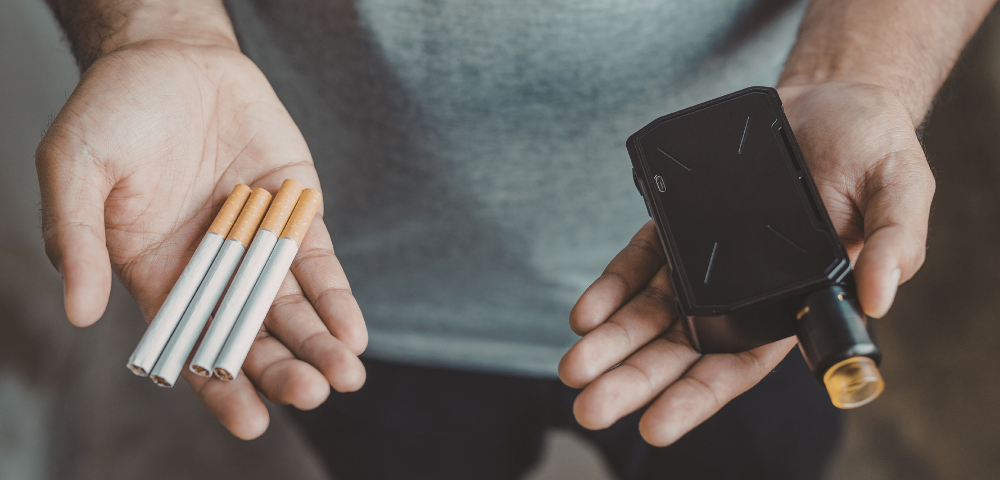
New findings published yesterday in Carcinogenesis, researchers at Sydney’s University of New South Wales have found nicotine-based e-cigarettes are likely carcinogenic to humans.
The review was conducted by UNSW cancer researcher Adjunct Professor Bernard Stewart AM in collaboration with pharmacists, epidemiologists, thoracic surgeons, and investigators from Australia’s top universities. Several studies conducted between 2017 and 2025 were analysed, whereby cancer risk between non–smokers and nicotine vape users was compared.
“To our knowledge,” Prof. Stewart, said, “this review is the most definitive determination that those who vape are at increased risk of cancer compared to those who don’t”.
Prof. Steward revealed that while the widespread use of vapes is recent and direct evidence of cancer causation takes decades to accumulate, much can be inferred from existing clinical studies, animal experiments, and mechanistic data.
For example, biomarker monitoring revealed DNA damage correlated with e-cigarette use, likely attributable to nitrosamines, volatile organic compounds, flavour-derived agents, and metals found in vape aerosols. Oxidative stress, epigenetic change, and inflammation attributable to vaping was also observed, comparable to the biomarker changes seen in smokers.
Prof. Stewart cautions that the findings found in this study are observational, and longer term studies will be required for an exact numerical estimate of the cancer risk associated with e-cigarette use.
In Australia, e-cigarettes require a prescription for under 18s, and can only be purchased from pharmacies. However, experts suggest these restrictions, first imposed in 2021, are insufficient, and have done nothing to abolish the sale of the blackmarket vapes that dominate the Australian market. Indeed, the ITEC Commissioner’s 2024-25 annual report found that almost every vape purchased in Australia (95.7%) was illegal, bringing the market value of illicit e-cigarette sales to about $1.6B.
In light of the new findings proffered by Prof. Stewart and his team, the burden is now on politicians, policy-makers, lobbyists, science communicators, and educators to reduce the number of vapes bought and sold in Australia and to, crucially, denormalise vaping as a “healthy alternative” to smoking.










Nobody has ever said vaping is ‘healthy’ but the scientific evidence is overwhelmingly positive about the high level of harm reduction in comparison to smoking. If improving public health is the aim, that comparison is what actually matters, given that there is an inelastic cohort of adults who have no intention of quitting nicotine. Also – this review has already been comprehensively dismissed as flawed. https://www.sciencemediacentre.org/expert-reaction-to-qualitative-risk-assessment-on-the-carcinogenicity-of-e-cigarettes/