
Sydney Train Derails Amid Delays & Cancellations Across Rail Network
A passenger train derailed at Clarendon Station yesterday, causing further chaos on Sydney’s T1 North Shore & Western line amid ongoing delays and cancellations across the rail network.
The incident occurred when the train, travelling towards Central Station, was abruptly halted when its front carriage came off the tracks.
Around 10 passengers onboard the train were safely evacuated, with no injuries reported.
Transport for NSW (TFNSW) confirmed the derailment, stating that the cause of the incident will be determined as part of an ongoing investigation.
TFNSW said in a statement, “Any causes will be determined throughout the investigation process. As with any rolling-stock incident like this, and in line with existing processes, Sydney Trains and EDI Downer [the rolling-stock maintainer] are formally investigating.”
“Both the Office of the National Rail Safety Regulator (ONRSR) and the Office of Transport Safety Investigations (OTSI) attended and have commenced their investigations,” a Sydney Trains spokesperson said.
The derailment occurred amid a heightened industrial action by the combined rail unions, which had already led to the cancellation of up to 2,000 services across Wednesday and Thursday.
Bus replacements were provided throughout the day, running between Riverstone and Blacktown in both directions. The train was successfully re-railed by 5 p.m, but delays continued, and services in the area remained severely disrupted for much of the day.
Transport authorities have assured the public that they are working to resolve the issue and minimise the impact on daily commutes.
Sydney Trains Emphasise Push to Restore Network
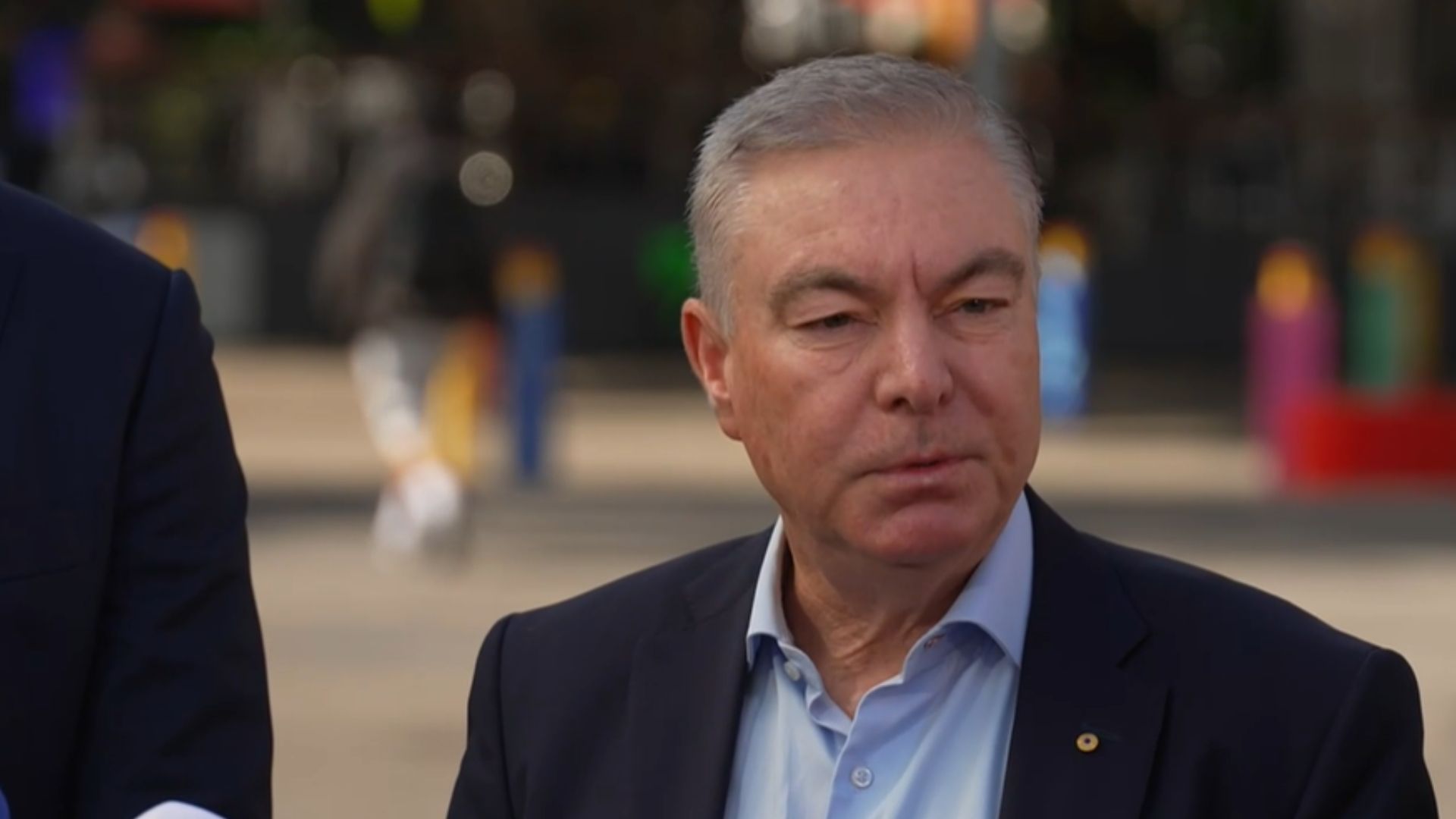
During a media briefing on Friday, Sydney Trains Chief Executive Matt Longland emphasised the team’s efforts to restore the network.
“We’re working really hard with the team, and our engineering staff to get the network back in shape, to get services back on track,” Longland said.
Longland reported that suburban peak-time punctuality reached 93.2% on Friday morning, with just 18 trips late and only two service cancellations.
He also confirmed that planned trackwork will proceed this weekend, including on the City Circle and Inner West lines.
“We’ll be doing everything we can to manage critical maintenance activity over that period,” he said.
Longland told the Sydney Morning Herald that the incident was not related to the industrial action.
“A train, as I understand it, passed through … a red signal, and was caught up in what we call a set of catch points – an engineering solution designed to ensure that the train stopped,” he said.
Fair Work Commission Orders Temporary Halt to Rail Union Strikes
The Fair Work Commission has ordered a temporary halt to the rail unions’ industrial action, following days of industrial action by the Sydney train’s network.
In a directions hearing on Thursday evening, Justice Adam Hatcher issued an interim order suspending the strikes pending a full hearing next week to determine whether the work bans are causing economic damage.
Minister for Transport Jo Haylen addressed the media on Friday afternoon, stating, “Yesterday the government made an urgent application to the Fair Work Commission to assist us to provide the services that our commuters need. The service around our rail network was absolutely intolerable, and the hit to our economy, incalculable. Tens of thousands of passengers were left stranded.”
The order took effect at 6:30 p.m. on Thursday, following the suspension of more than 2,500 services over the previous 36 hours.
The Rail, Tram and Bus Union (RTBU) issued a statement accusing the government of failing to negotiate with workers.
“For 44 days, the government has failed to engage in a single bargaining meeting with the Combined Rail Unions,” the statement read.
“Instead of negotiating, the government is scapegoating rail workers, blaming them for economic disruption they themselves caused.”
The RTBU has been pushing for a 32 per cent pay rise over four years, a 35-hour work week, and an additional 1 per cent in superannuation contributions. However, the government’s latest offer of a 13 per cent pay rise over the same period falls well short of meeting the unions’ demands.
Next week, a full hearing will determine the future of the strikes, following an interim order suspending the protected industrial action.