
NSW Expands Heritage Exemptions To Allow Filming, Improve Energy Efficiency & Accessibility
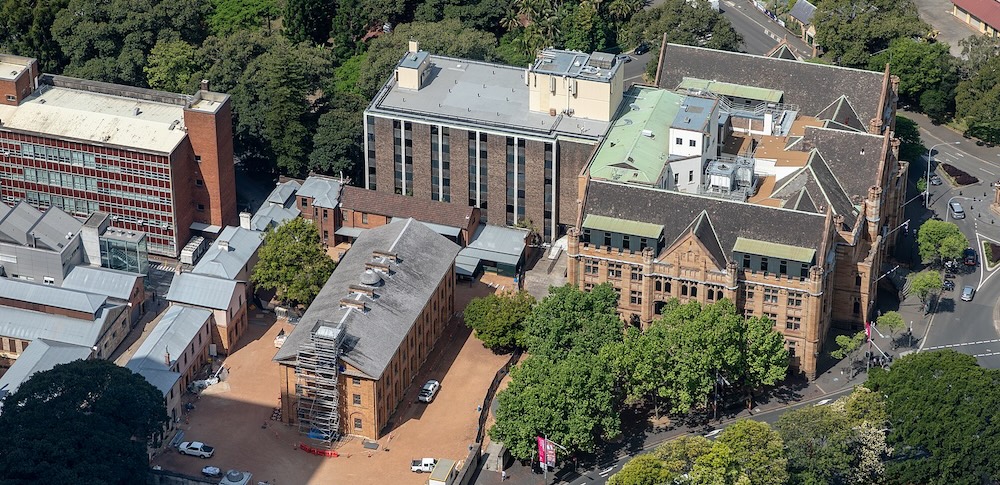
Image: Wikimedia Commons
Heritage exemptions have been expanded, meaning that owners of land and venues listed on NSW’s State Heritage Register can allow the site to be used for filming purposes for longer, and make changes to improve accessibility and energy efficiency without needing formal heritage approval.
Owners and managers of land listed on the State Heritage Register will now be exempt from requiring Heritage Council of NSW approval for enhancements or projects to their properties.
The updated heritage exemption list
The NSW Government has expanded the list of standard exemptions under the Heritage Act, permitting the installation of solar panels, batteries, insulation, and draught-proofing. The policy aims to connect heritage with climate action, and help reduce energy costs.
“We want heritage properties, rich in history, to also be able to contribute to reducing emission through the uptake of solar,” said NSW Minister for Heritage, Penny Sharpe.
Additionally, alongside the energy upgrades, the exemption list now allows security systems; fire-suppression equipment, geotechnical checks; temporary events for up to 90 days a year (which has tripled under the Vibrancy Reforms per the Productivity Commission’s recommendations); accessibility works including as ramps and bathroom fit outs, Aboriginal cultural practices; water infrastructure; land and bushfire management, including hazard reduction; and repair and replacement of materials such as brick and stone walls.
The changes also extend to filming purposes: heritage-listed spaces can now allow the site to be used for filming purposes without the need for a heritage approval, which will assist in supporting NSW’s local film industry. The change to this rule means filming can go from 30 to 90 days before approval is needed – to open them up to larger film projects with longer production schedules.
“The new exemptions protect heritage listed places by also making it easier to carry out maintenance and repairs, and install features like fire suppression equipment and security alarms,” said Sharpe.
“State heritage listed buildings are not all museum pieces. These sensible changes mean heritage will be protected while allowing owners to install energy-saving measures and undertake important and necessary updates.”