Sydney Water Claims Restaurants Are Illegally Adding To Fatberg
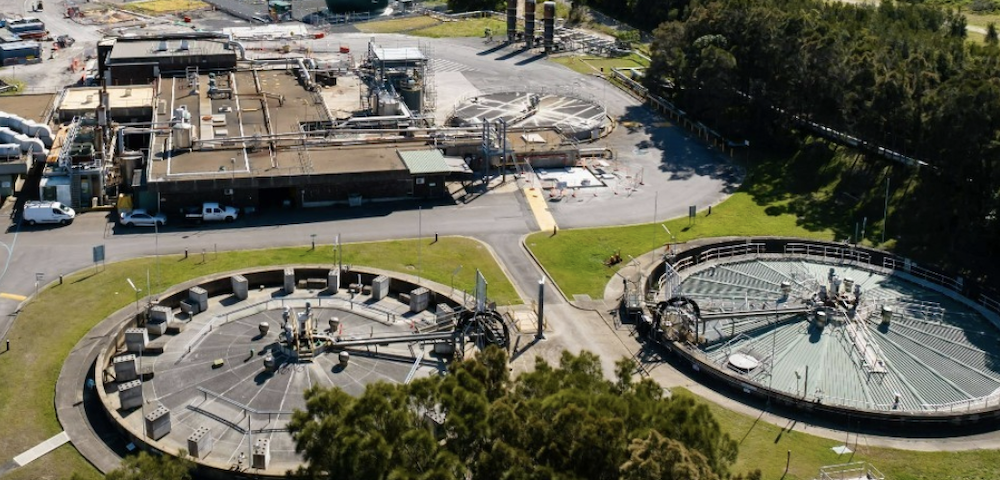
Image: Sydney Water/Instagram
Sydney Water says up to 12,000 restaurants and other food outlets in the south-west could be illegally disposing of fats, oils and grease into the sewage catchment that flows to a wastewater treatment plan, contributing to a giant fatberg.
An August report obtained by Guardian Australia posits a massive build up of fats, oils and grease (FOGs) in an inaccessible area of the Malabar plant at the start of the deep ocean outfall that carries treated sewage out to sea.
It suggests that the changes in pumping pressure had caused the resulting fatberg to break apart, releasing debris balls into the ocean, which was then carried to Sydney beaches with wind and waves.
“The hypothesis is that the accumulation of this FOG correlates with a substantial increase in both FOG and volatile organic compounds in the influent coming into the plant. Increases are calculated as 39% for FOG … and 125% for VOCs over the past 10 years,” it read.
“A recent database analysis has identified that there could be up to 12,000 retail food businesses operating within the Malabar catchment without the necessary approvals from Sydney Water and that these could be significant contributors to FOG loads.”
However, the rise in restaurants equipped with inadequate grease traps and other waste control measures also coincides with the introduction of Sydney Water’s 2017 Watersafe program, which uses digital reporting and a smaller number of dedicated inspectors deployed to manage issues.
Restaurant and Catering deny culpability
Sydney Water’s Wastesafe scheme, introduced in 1991, required food processors and restaurants to have state-approved grease control mechanisms, with inspectors regularly checking to ensure grease traps were being emptied enough.
The shift to their new system in 2017 saw Sydney Water utilise a digital reporting system, with transport companies responsible for reporting the FOGs they collected.
A spokesperson said that although the Wastesafe tracking system changed, “the program’s core purpose, functions and compliance obligations remained unchanged”, and cited 12 field inspectors currently employed to work directly with food trade waste customers.
The president of Restaurant and Catering Australia, John Hart, told Guardian Australia “if it is a problem, it’s their problem”.
All public-facing food businesses need development approval from local councils, with the applications requiring a grease trap
“Food businesses also need to be registered and DA approval is necessary to register,” he said, adding that most food businesses are inspected once a year.
A Sydney Water report analysing the Bondi treatment plant found that more than 300 new businesses were discharging waste without.
“When extrapolated across Sydney Water’s total area of operations, this suggests a conservative estimate of at least 1,500 retail food businesses discharging FOG illegally,” it found.
However, Sydney Water said “this conservative estimate excludes the range of non-retail food trade waste sources of FOG and doesn’t consider the diversity and scale of businesses operating in catchments other than Bondi”.
“A more recent database analysis suggests that up to 12,000 retail food businesses could be operating without approval in the Malabar catchment alone.”