
‘Nickel Boys’ Is A Truly Innovative Cinematic Triumph
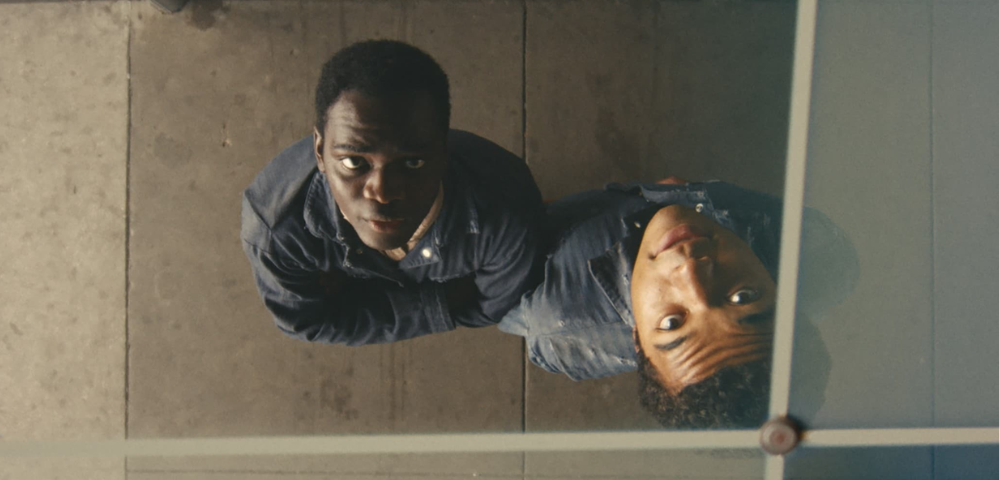
Image: Ethan Herisse and Brandon Wilson in 'Nickel Boys'. Source: TMDB
When we look back in a decade or two at the cinema of the 2020s, there’s little doubt that Nickel Boys (based on Colson Whitehead’s novel of the same name) will be remembered as a true innovator. To call RaMell Ross’ Oscar-nominated film fresh feels like an understatement; it feels as though it’s inventing a new cinematic language for other films to speak as it spins a tragic tale of institutionalised racism and violence through the eyes of two young Black boys in the 1960s.
Elwood (Ethan Herisse) is a bright, politically savvy Black teenager growing up in Jim Crow-era Florida with his grandmother Hattie (an amazing Aunjanue Ellis-Taylor) who’s in the wrong place at the wrong time; Elwood is falsely implicated in stealing a car and sent to The Nickel Academy, a segregated “reform school” where the Black students are subject to abuse, or worse. Some boys disappear without a trace.
It’s here where the optimistic Elwood meets Turner (Brandon Wilson), who’s become deeply cynical as a result of his time at Nickel Academy. At Nickel, the two boys strike up a friendship, trying to find meaning of the horrific system they’re in and a way to survive or escape it.

The remarkable filmmaking of Nickel Boys
When I said earlier that Nickel Boys tells its story through the eyes of its two main characters, I meant that literally – part of what makes the film such a rich work is that it’s shot from the perspective of these two boys. We see what they see, and more importantly how they see the world around them in both its depravity and beauty.
Nickel Boys isn’t the only film to make this choice (Steven Soderbergh’s Presence comes to mind), but it stands heads and shoulders above other films that take a similar approach because the camera’s perspective is fully grounded in the film’s narrative. Thanks to Ross’ exceptional directing and Jomo Fray’s mind-blowing cinematography, the film feels tangible in a way that few others employing a first-person perspective do.
The camera looks like a person does, because the camera is always representative of a person. Some of the most powerful moments in Nickel Boys come from quiet focus on the little moments of a life, or from choosing not to look at anything at all as a survival instinct. It all grounds you directly in this sickening world of torture and abuse, and is supremely emotionally affecting as a result.
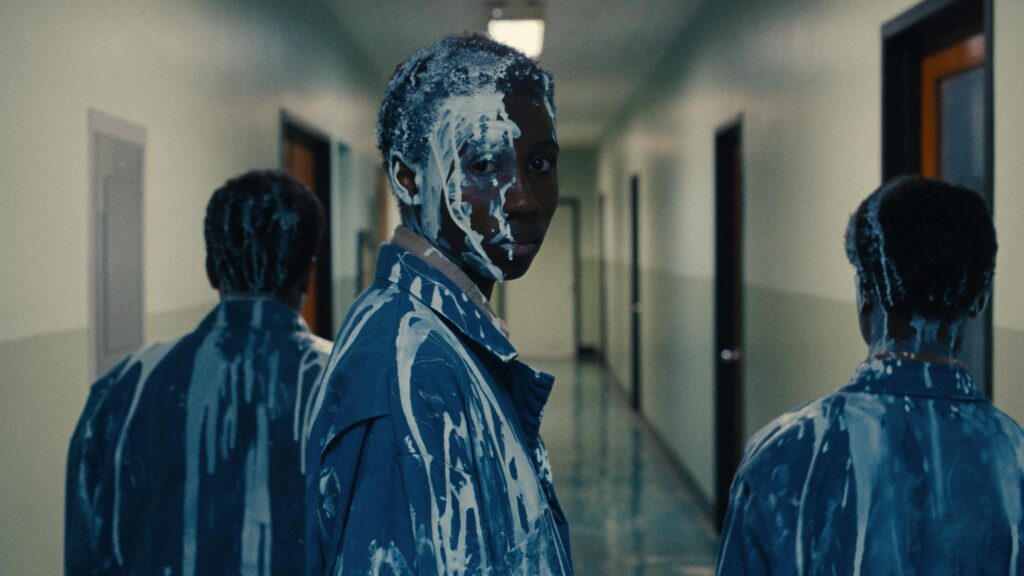
An essential cinematic work
The only light at Nickel Academy comes from Elwood and Turner, played phenomenally by relative newcomers Ethan Herisse and Brandon Wilson. I can’t imagine this would be an easy film for anyone to act in; the unique filmmaking style means that we often only see one of the boys on-screen through the eyes of another, with only one main instance where the two share the screen.
Nonetheless, these two young actors are simply phenomenal in this film. They represent two sides of the African American experience during the fight for civil rights, and these are reflected in their performances. Although the two constantly share dialogue, they often have to act right into the lens as if they were talking to a person – an act they both make seem deeply believable.
Both Herisse and Wilson make their characters feel so alive and full of life, despite the horrific circumstances they’re in. As Nickel Boys progresses, you can feel the pair having a profound effect on one another as they navigate the deeply racist institution that is Nickel Academy.
Speaking frankly, Nickel Boys is a masterpiece. Destined to be a future reference point in cinematic history, RaMell Ross has crafted a truly essential film that’s worth seeing for both its highly original, transcendent filmmaking and its tale of two Black boys finding friendship in terrifying circumstances.
★★★★★
Nickel Boys is available to stream now on Prime Video.