
Metro Industrial Action Is A Possibility, But No Plans Yet
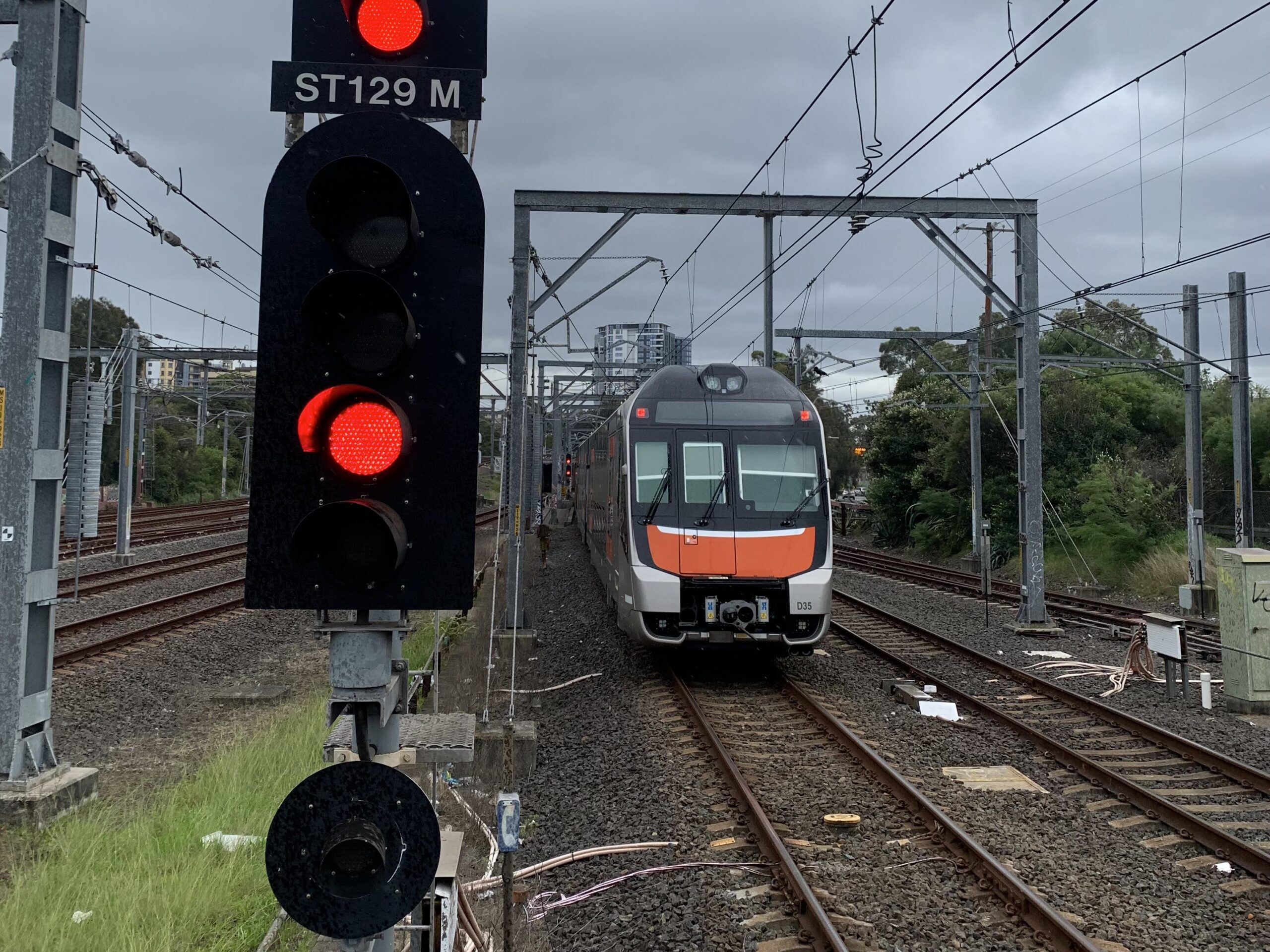
It has been widely assumed that the automated Sydney Metro is strike-proof – nonetheless, an ongoing dispute between the operator and the rail union makes one a possibility.
Members of the Rail, Tram and Bus Union (RTBU), which represents attendants on Metro trains and at stations, are participating in a protected action ballot approved by the Fair Work Commission. The union is engaged in negotiations with private operator Metro Trains Sydney (MTS) over wages and conditions.
Toby Warnes, the RTBU New South Wales branch secretary, told the City Hub that Metro workers “have been attempting to negotiate fair wages and conditions since early this year.”
“Being paid fairly means achieving increases equal to our colleagues in the rest of the transport sector. We’re confident we’re close on that front.”
“This application for a protected industrial action ballot is simply the next step in ensuring Metro workers get the fair wages and conditions they deserve. Industrial action is always a last resort, and there is no protected industrial action planned at this stage.”
If a majority of Sydney Metro employees who are RTBU members vote affirmatively in the ballot, then the union can legally take industrial action, such as strikes, work bans or lockouts.
Warnes emphasised the essential role which Metro employees play.
“The Metro system has been heralded as a great success in Sydney, but we’ve got to remember that its success rests entirely on the shoulders of the workers who keep it moving every day.”
An MTS spokesperson told this masthead that the operator “is currently renegotiating an enterprise bargaining agreement in accordance with the Fair Work Act.”
“MTS continues to engage with the Rail, Tram and Bus Union and Professionals Australia to finalise the agreement.”
Professionals Australia represents white collar workers across various industries.
Metro trains not required to have staff on board
Customer service attendants frequently travel on Metro trains, and can drive them manually should the need arise. However, services are not required to have an employee on board. Transport minister John Graham told the ABC earlier this year that the Government was “not looking” to change this.
The RTBU argues that a staff presence on trains is essential for the safety of passengers.
Geoffrey Clinton is Senior Lecturer in Transport and Logistics Management at the University of Sydney Business School’s Institute of Transport and Logistics Studies. He says that, in the event of industrial action, it may also be possible for station staff to “disrupt services in some way.”
“The challenge for the Government is that the RTBU is negotiating with the private operator of the Metro,” Clinton says, meaning that “there may not be much scope for the Government to intervene” to prevent industrial action.