
‘Kokuho’: A Sprawling Tale Of Acting, Obsession And Hubris
What kind of person seeks to be the very best at something? Lee Sang-il’s Kokuho, an intimate epic exploring one man’s endeavour to be the very best kabuki actor in all of Japan, is hardly the first film to ask this question. But thanks to gorgeous cinematography by Sofian El Fani, a strong narrative and great performances, Kokuho is a genuinely engaging piece of rise-and-fall cinema that explores the archetypal story through one of Japan’s most traditional forms of artistic practice.
However, it’s a film that definitely overstays its welcome with an almost-three hour runtime, especially when the film seems somewhat uninterested in providing a depth of commentary on the traditional structures that continue to define the art of kabuki in the 21st century in favour of an actor’s attempts to be the best in his field.
Some context: despite being the ones who first created it, women in Japan were banned from being kabuki theatre actors in 1629, leading all female roles to be undertaken by male actors known as ‘onnagata’. Kokuho opens with this fact before launching into the tale of Kikuo Tachibana (Ryo Yoshizawa as an adult), a young onnagata and son of a yakuza boss.
After his father is killed by a rival yakuza, Kikuo is taken under the wing of legendary onnagata Hanai Hanjiro II (Ken Watanabe) and trained alongside his son Shunusuke (Ryusei Yokohama). See, kabuki isn’t just traditional, but also steeped in tradition; you usually can’t even get into the industry without a family connection.
That’s why it’s so transgressive when Hanjiro eventually chooses Kikuo to be his successor and take on his name as Hanai Hanjiro III. What follows is Kikuo’s meteoric rise as Japan’s pre-eminent onnagata actor, before rapidly becoming involved in scandals that disgrace both his and the Hanjiro’s family names.
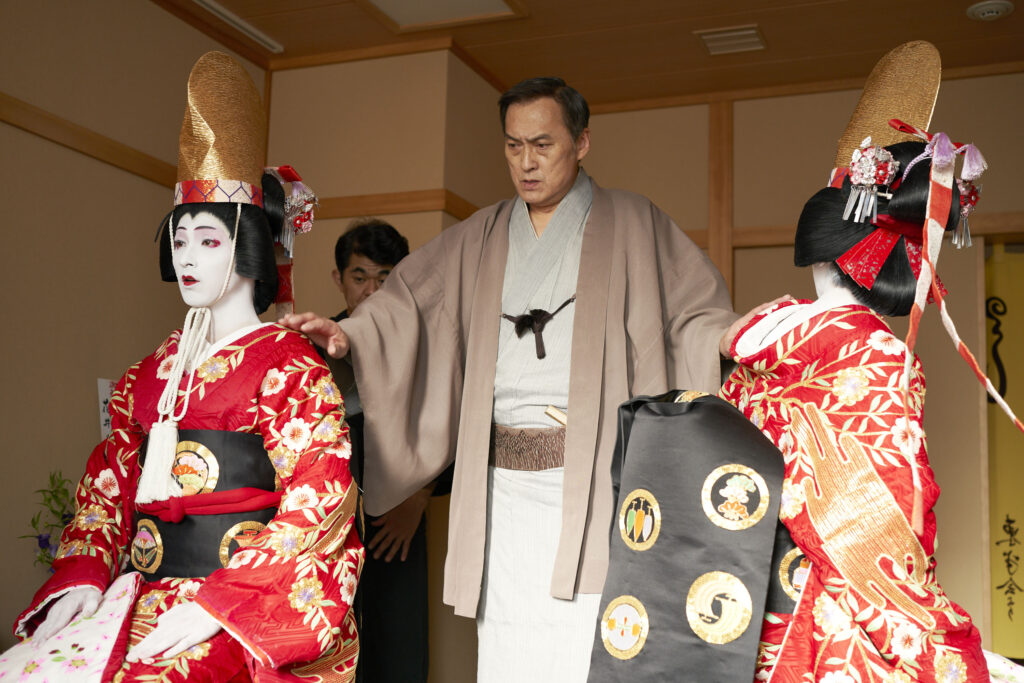
Kokuho is beautifully made, in spite of its flaws
The general narrative archetype seen in Kokuho of a man forsaking everything – family, friends and his own wellbeing – certainly isn’t fresh, but it’s by transplanting it to a new setting that the movie finds success.
Indeed, both the sequences of characters performing kabuki and navigating the world outside are equally engaging across the board. I’m no kabuki scholar, but the amount of work that lead actor Ryo Yoshizawa has clearly put into realising the character of Kikuo is highly impressive. Yoshizawa makes Kikuo feels like an entirely different person during performances and his personal life, and he imbues Kikuo’s onnagata roles with an undeniable presence, even to those unfamiliar with the form.
It’s that sense of talent that gets Kikuo in trouble, eschewing tradition and ultimately betraying his childhood friend Shunsuke by accepting his role as Hanjiro’s successor. Ryusei Yokohama is fantastic as Shunsuke and convincingly conveys his feelings through pained expressions. Ken Watanabe is also great, playing a pivotal role in the narrative and shaping Kikuo’s life.
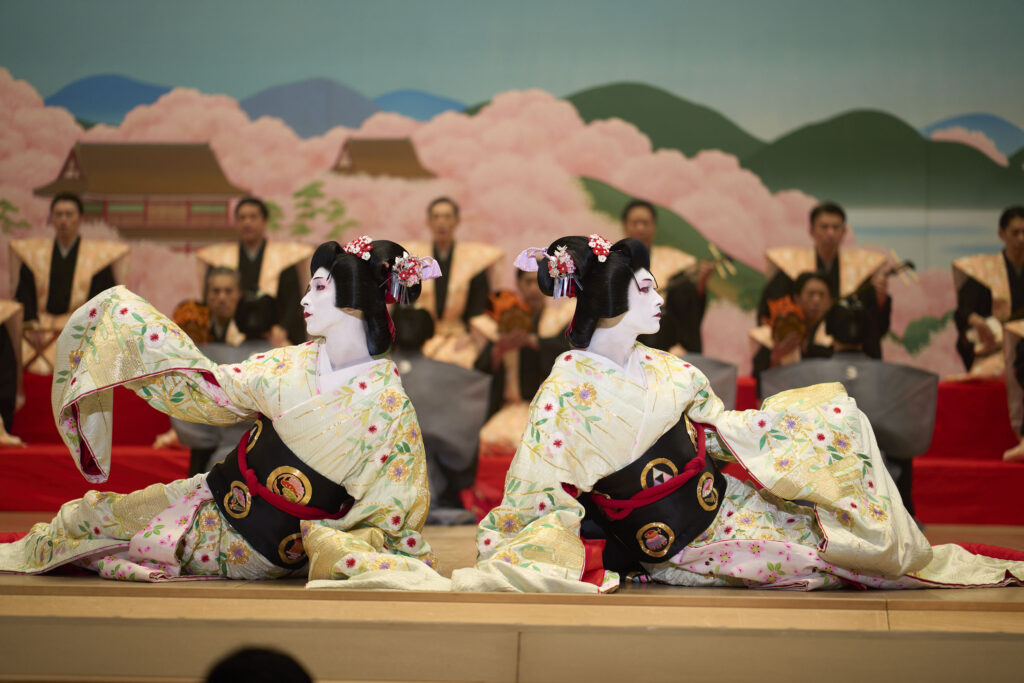
The limitations of a rise-and-fall story
Kokuho is appropriately dramatic in the telling of its tale, but I did find myself wanting it to delve deeper into commenting on the traditions of kabuki. After all, this is a film about two men whose livelihoods ultimately revolve around professionally performing femininity.
That’s what makes it more surprising that the film mostly leaves its female characters by the wayside, with most of them fitting into the archetypes of the ‘rise-and-fall’ story. Their roles are more to explore Kikuo’s personal sense of moral degradation – arguably what many the great works of this genre do, but a hurdle they circumvent by letting the women in their stories shine in key moments.
Furthermore, the drama of the film does often feel exaggerated to fit the mammoth runtime, especially considering that Kokuho seemingly has at least three moments pre-credits where it could’ve ended on an appropriate note.
Yet Kokuho is still an enjoyable drama about the perils of seeking success through the lens of kabuki theatre. Ryo Yoshizawa is enrapturing as the lead, carrying the film where its script stumbles and helping to confidently deliver this tale of human hubris and obsession.
★★★½
Kokuho is playing at the 2025 Japanese Film Festival, and in theatres from December 11th.