Eternity Playhouse Is Being Reopened For The Sydney Fringe Festival
Thought to be forever shuttered, the Eternity Playhouse is reopening its doors to welcome the Sydney Fringe Festival in September this year.
The venue will reopen as one of Sydney’s most admirable performance venues, and has been refurbished to become the new Off Broadway Hub from the 2nd of September.
The new residency will make a major cultural moment, whilst revisiting the building’s true charm and inherited nature of theatre.
The heritage-listed Burton Street building was transformed and restored into a 200-seat theatre in 2008, and reopened to the public in 2013 renamed as Eternity Playhouse. The venue ceased operations in July 2024 following a financial collapse of its resident company.
Mostly known for their spectacular display of art and theatre, the venue will once again become a treasure to Sydney goers.
“Reopening Eternity Playhouse is a reclaiming of a cultural space”
The 2025 Sydney Fringe Festival is led by CEO Patrick Kennedy, with the new venue serving as one of his biggest debuts in his 460-event history.
“ There’s something profoundly poetic about bringing fringe artists into a space for contemporary storytelling, in a building that was named after a message that was scrolled on there in the 1800s by a fringe preacher,” said Kennedy.
The Eternity Playhouse served as a central theatre to Sydney’s independent art and culture scene, and now will once again represent the connection between bold and vigorous new works, local artists, and performers.
“ It’s all about restoring that vital home for independent performance in the city,” says Kennedy.
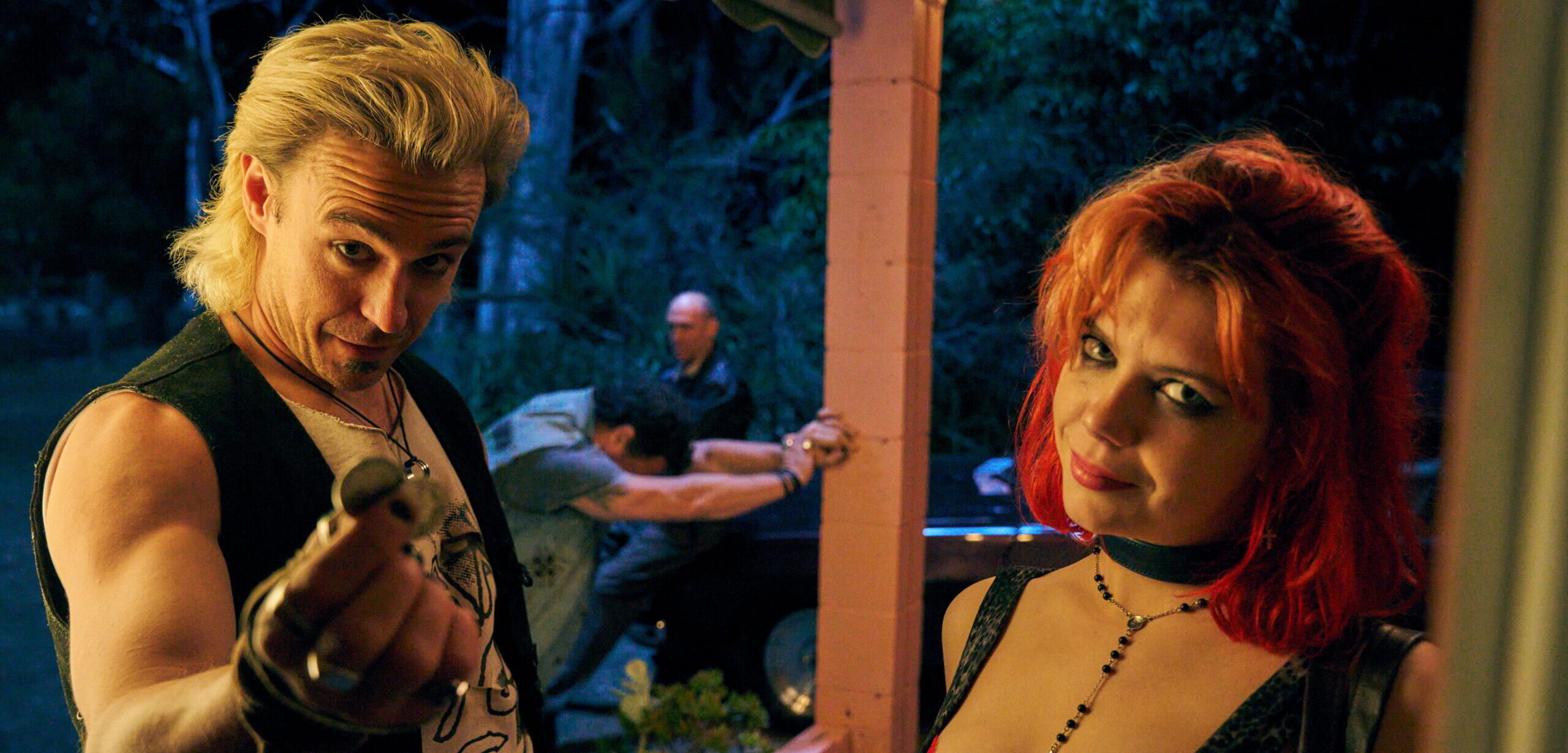
The venue is expected to host several new performances for the festival, including Lewis Major’s composition of contemporary dance, The Ghana Road Show, Kate Bush Unmoored, and additional cross-genre works that relish in culture and vibrance.
The reopening of the venue showcases community-driven arts which have always been central to the mission of the building — providing a voice and platform for local talent.
”Reopening Eternity is a reclaiming of a cultural space for the art sector. And it’s a part of a broader conversation that we’re constantly having with government policy makers and funders about infrastructure, sustainability and access for independent artists,” says Kennedy.
The venue’s triumphant return welcomes a new chapter for a stage that had been dormant for far too long.