

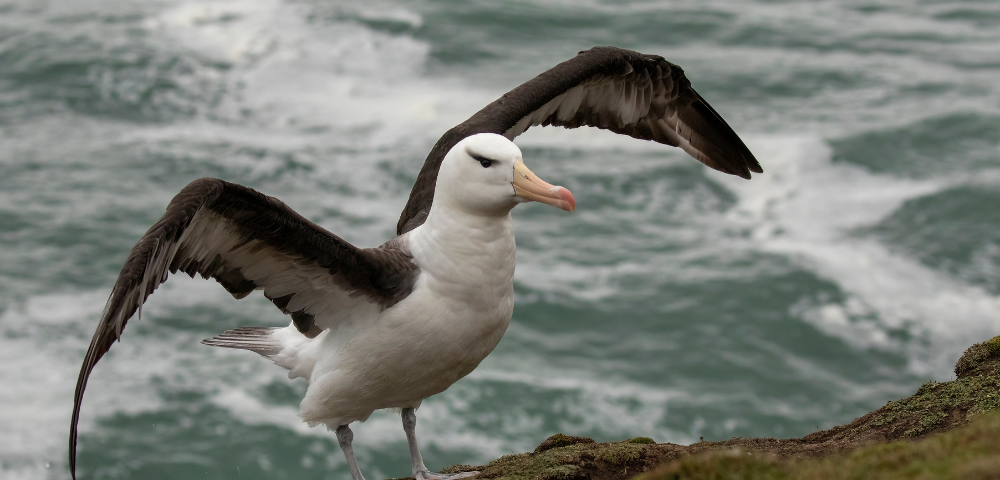
A dead seabird found on Bennetts Beach on the New South Wales Mid North Coast has been sent for laboratory testing as authorities continue monitoring the spread of the H5N1 bird flu virus across Australia.
The bird, identified as a giant petrel, was discovered by a member of the public and later tested in preliminary analysis before being sent to the CSIRO’s Australian Centre for Disease Preparedness for confirmation of the strain. Laboratory results confirmed the presence of the highly pathogenic avian influenza H5N1 virus, marking the first confirmed case of the virus in New South Wales.
“This is the deadliest strain of bird flu in the world,” NSW Agriculture Minister Tara Moriarty said during a briefing in Sydney.
Authorities have stated the detection follows earlier cases of H5 bird flu identified in migratory seabirds in Western Australia and South Australia, with NSW representing the most recent state to record a confirmed infection in a wild bird. The case forms part of a broader pattern involving subantarctic seabirds that have washed ashore along southern and eastern coastlines.
Samples from the Bennetts Beach bird were first processed through state laboratories before being forwarded for national confirmation testing. Officials said the detection occurred after a member of the public reported the bird under wildlife surveillance protocols.
The NSW government has advised that, at this stage, there is no evidence of infection in commercial poultry, captive birds, or other resident wildlife in the state. It has also stated that surveillance efforts are ongoing to monitor for any additional cases.
Authorities have reiterated public health guidance urging people not to handle dead or sick birds. “If unusual deaths or illness in wild birds are observed please AVOID contact, RECORD by taking photos or video and REPORT immediately to the Emergency Animal Disease (EAD) Hotline,” according to government advice.
The detection comes amid increased monitoring efforts across multiple jurisdictions following earlier confirmed cases in Western Australia, where the virus was first identified in Australia in mid-2026. National authorities continue to track wildlife mortality events and test additional seabirds reported along coastal regions.