
AI: Blessing? Or The Evil Aye-Ye-Ye (Naked City)
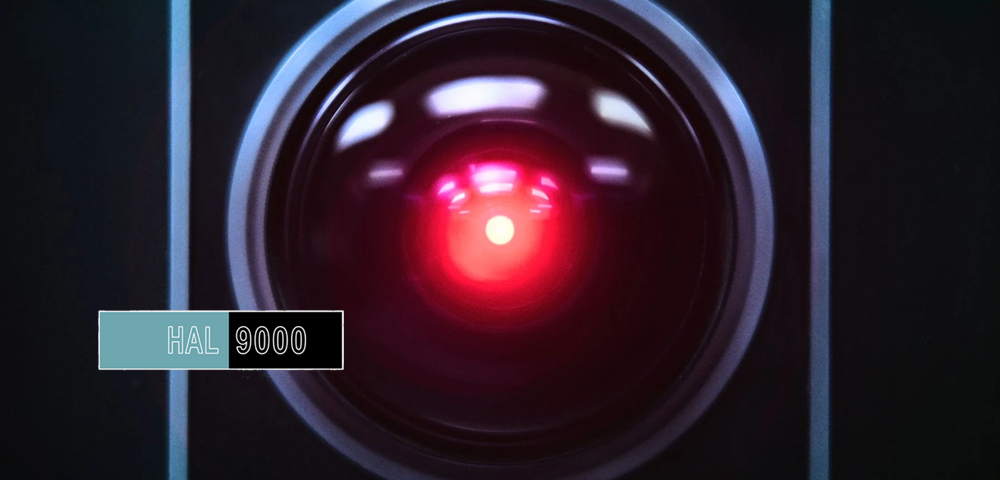
Image: 2001: A Space Odyssey
AI, or Artificial Intelligence, is seen as a blessing or in some cases a complete revolution when it comes to disseminating information on the internet. It’s like an extra brain when you log on, enabling your computer to perform tasks that normally require human intelligence, such as learning, problem-solving, and decision-making.
To quote one of the chief priests of the new technology in Google:
“It’s a broad field that uses algorithms to find patterns in data, enabling machines to understand language, recognise patterns, and make decisions with minimal human input. Common examples include voice assistants, personalised content feeds, and fraud detection systems.”
That’s the positive side, but for a response from former Chicago Sun-Times reporter and technology buff Mike Thomas:
“AI poses risks including job loss, deepfakes, biased algorithms, privacy violations, weapons automation and social manipulation. Some experts and leaders are calling for stronger regulation and ethical oversight as AI grows more powerful and integrated into daily life. As AI grows more sophisticated and widespread, the voices warning against the potential dangers of artificial intelligence grow louder.”
Already sci-fi writers and creative filmmakers are dabbling with the idea that AI could be employed to generate enhanced pathogens, cyberattacks and a frightening manipulation of people.
In the novel and subsequent classic movie 2001: A Space Odyssey, HAL (the Heuristically Programmed Algorithmic Computer) suggests that computers could eventually be designed to think like humans, be it for good or possibly evil. They could also develop a mind of their own, free from the way they were originally planned.
That’s where we continue on from the dystopian vision of Aldous Huxley in a Brave New World, where society is controlled and conditioned through science and technology. Today’s wretched smartarse gadgets have taken over in so many areas of everyday life that they are driving some people nuts. Most people love TV quiz shows, but what about a series where the three contestants are replaced by sophisticated AI-driven computers?
Their memory banks are massive and they even present with their own hologram like avatars so TV viewers aren’t confronted by a group of faceless laptops. They are all competing for a night out with a very sexy giant IBM mega computer and the competition is furious. There’s a real human compering the show, at least that’s what we are told, and despite the eagle eye of the producers, skullduggery is at play. One of the AI charged laptops has colluded with a crooked tech in the dressing room beforehand (also known as the lab). With all that processing these souped up laptops get super hot and when two of them suddenly start smoking, nobody is none the wiser.
We now know there are AI programs that can detect where AI has been used, whether it’s an average school essay, a PhD at uni or any kind of written work that claims to be original. It used to be called ‘plagiarism’ but now it’s a lot more subtle and often heavily disguised.
And what about those annoying YouTube and TikTok videos where you see an eighty year old grandma wrestling a grizzly bear, a cat rescuing a raccoon that is being attacked by a bald eagle, or a wombat parachuting from a plane.
You would hope most intelligent folk can now detect AI generated fakes, but what about young impressionable kids glued to their laptops and mobile phones. These video fakes are forging a whole new reality that could of course lead to disastrous repercussions. What if a youngster is suddenly confronted by a real rampaging grizzly? Will they immediately think, if granny can take the bastard down, it’ll be a cinch for me?
The mind boggles of course as to where AI will finally lead us. Recently we have seen one highly regarded consulting and risk advisory company Deloitte admit to bodgying up a report to the Federal Government by filling in certain gaps with AI – all for a fee around $440,000. According to Sydney Uni’s Dr Christoper Rudge, the report contained what he called ‘hallucinations’, where specific areas were filled in by AI often resulting in a misinterpretation of data.
Deloitte have since coughed up around $98,000 as repayment for their naughtiness but I must admit what fascinates me is that AI can generate so called ‘hallucinations’. This could be the answer to confronting much of the illegal worldwide drug trade.
Imagine for example if long time drug addict Robert Kennedy Junior, Trump’s current health secretary, could have called upon a dedicated form of AI, every time he was about to shoot up. Bring on those ‘hallucinations’ baby! The only problem I guess is that now a supposedly drug-free RFK is still hallucinating about Tylenol, common vaccines and those wretched parasitic worms in his brain.
Finally and perhaps appropriately the last word should come from a ten year old schoolboy, somewhere in the USA, who was recently asked in class what the initials ‘AI’ stood for. It’s anecdotal I’ll admit but apparently his answer (not yet documented on Tik Tok) was ‘arsehole infection’!
I’m sure there will be no injection of AI when writer Stuart Coupe chats about his most recent best seller Saffron Incorporated at the Kings Cross Library with historian Laila Ellmoos. The talk is scheduled this Thursday 16 from 6:30pm. I have a feeling it’s already sold out but there’s a waiting list in case one of the confirmed attendees suddenly disappears, like Juanita Neilsen.