
A really quick history of Halloween
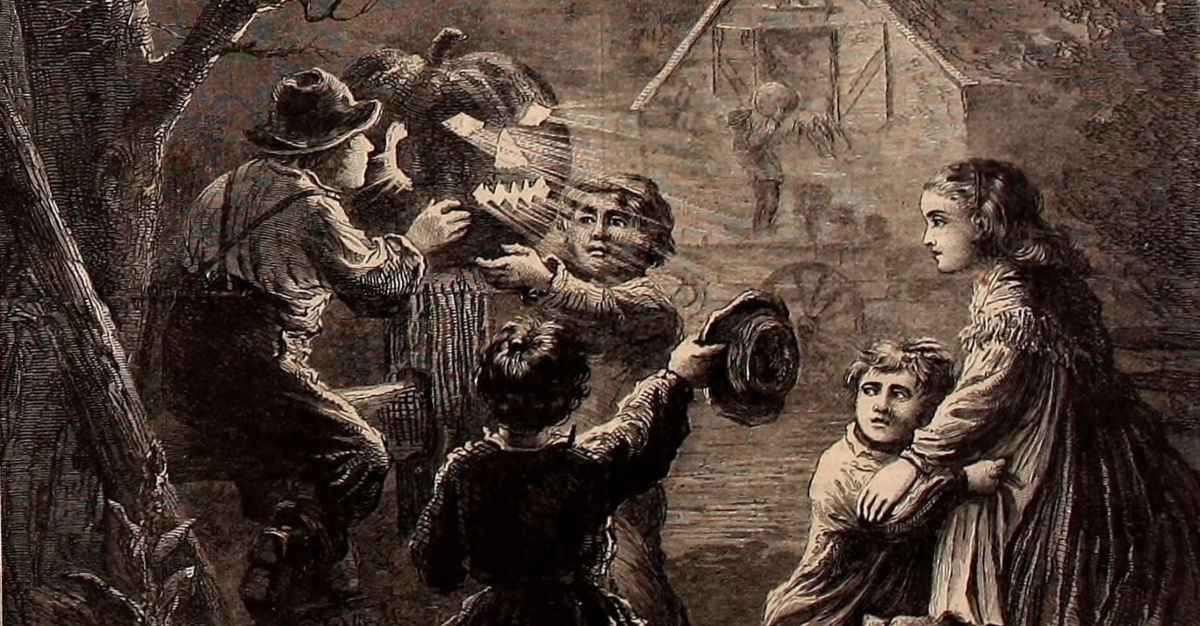
Image: Halloween. Image: American National Library
By WILL MCLENNAN
For many, the horror-filled Halloween season is an excuse to eat chocolate, lollies and other sugar-filled paraphernalia. Yet, few people are aware of the history of Halloween. How did this spooky holiday appear in the world and why do we celebrate the day of ghosts and undead creatures?
Halloween’s roots can be traced back to Samhain, the ancient Pagan holiday which saw its participants dress up in animal guises to avoid encountering ghosts. The activity of lighting up jack o’ lanterns can also be traced back to this period.
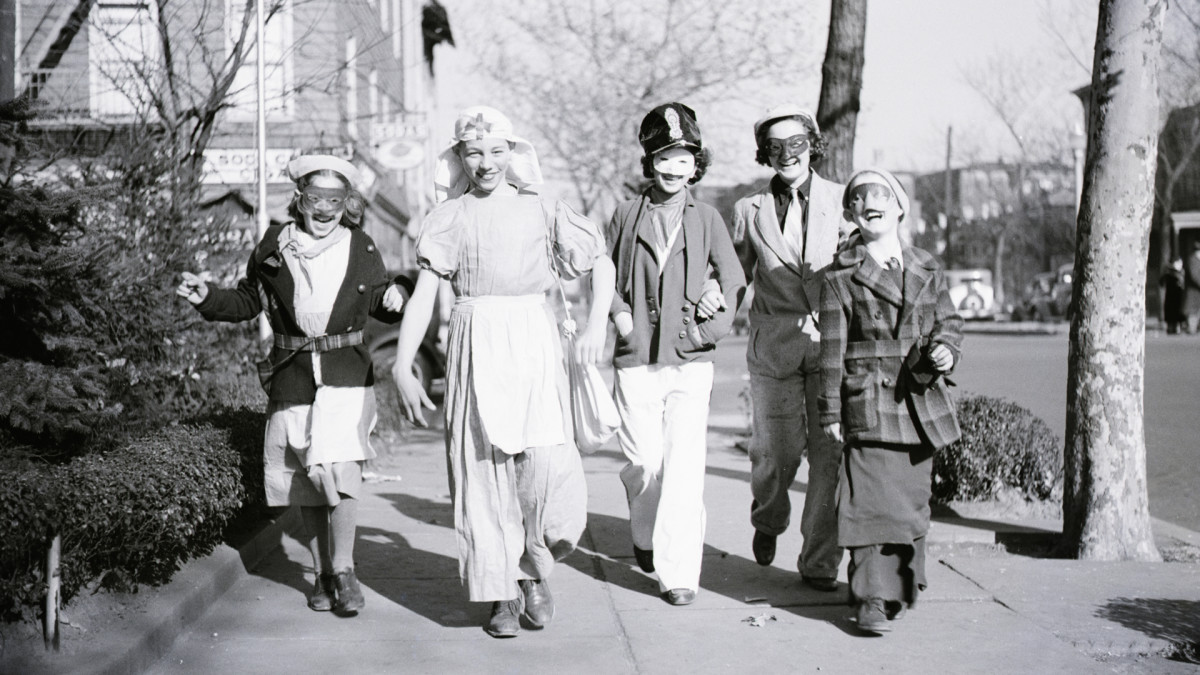
In the Christian calendar, November 1 is All Saints Day, a day when all saints or hallows are honoured, also known as All Hallows Day. It was believed that on the night before (All Hallows Eve) devils, demons and the damned would have one last party before the saints came marching in. “Halloween” is a contraction of the phrase “all hallows eve”.
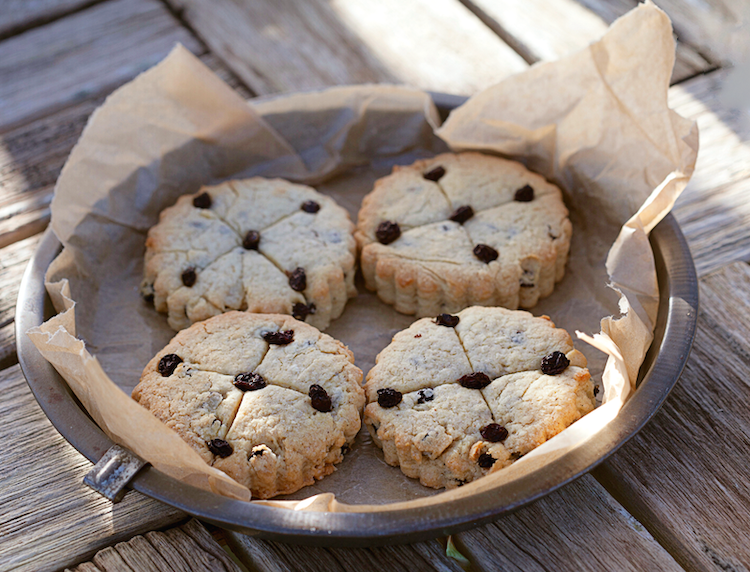
What we know as Trick or Treat, was initially the practice of “Souling” and “Guising”. “Souling”, an English practice that saw people door knocking in an attempt to gain “Soul Cakes”, while “Guising” is considered as a Scottish practice, which saw many young people attempt to trick and play pranks on other young people.
Our revered lollies in which we adore over the spooky season, were only introduced in order to ward off any pranks found in Guising and have since become tradition and a favourite among kids in these times.