

Sydney–Newcastle Bullet Train Risks Being An Expensive, Unachievable Distraction
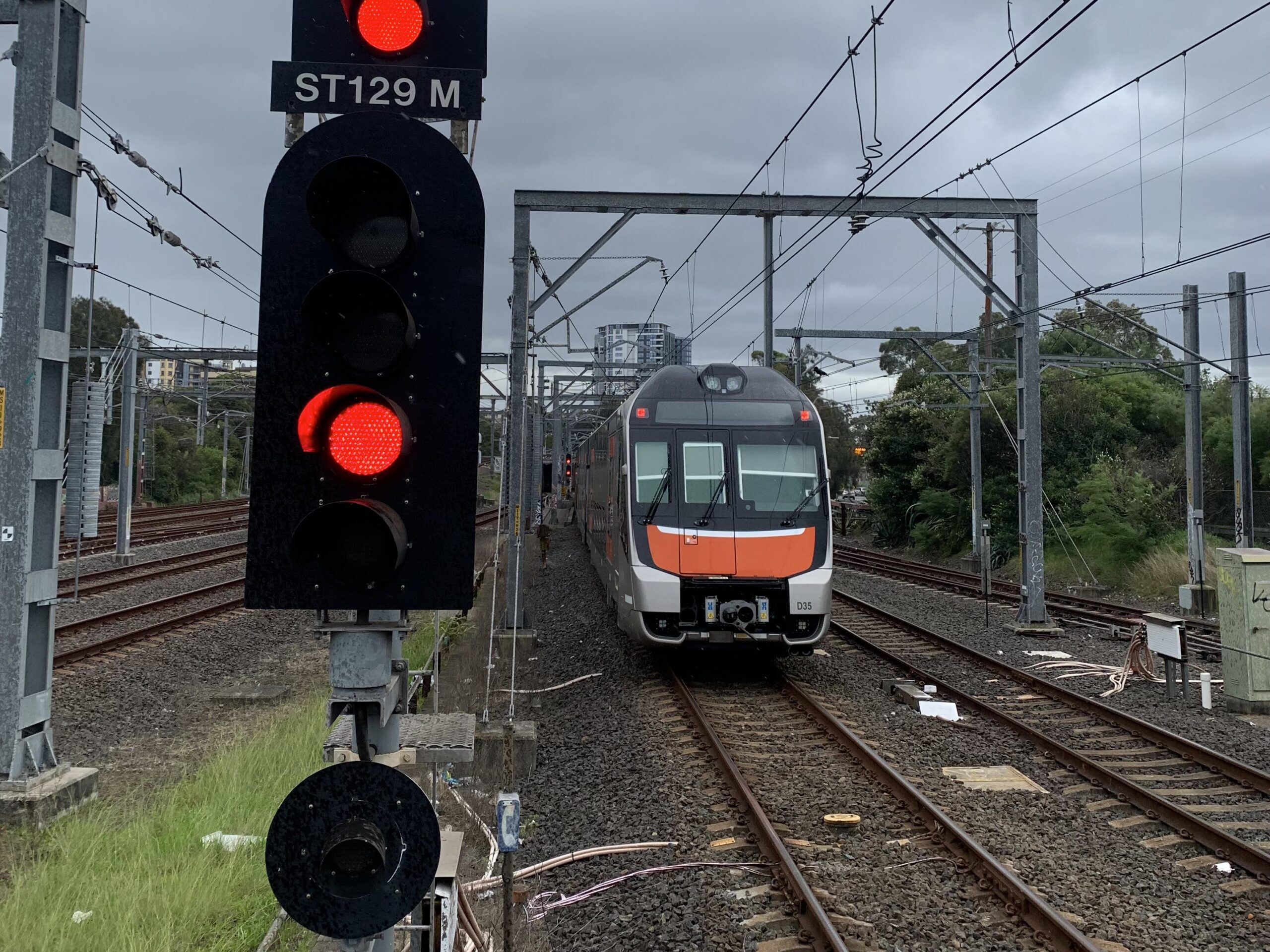
Image: Will Thorpe
The Albanese Government’s drive to construct a costly high-speed railway from Sydney to Newcastle is bedevilled by serious questions of feasibility, and distracts from practical upgrades to rail services in New South Wales more broadly.
Three consortiums have been shortlisted to design twin 35-kilometre tunnels north of Hornsby, the most challenging component of a mammoth $90 billion project, and also a sprawling new station in Gosford. But despite the excitement that every ‘very fast train’ announcement generates, the value and viability of this latest, as-yet embryonic undertaking requires sober evaluation.
The current line
In July 2026, 1.138 million trips were made on the Central Coast and Newcastle Line, equating to about 37,000 commuters and leisure travellers per day. The tracks, part of the Great Northern Railway, are also used by regional trains running to the Northern Tablelands, the North Coast and Queensland. It is the busiest of the intercity routes and, by all metrics, offers the highest standard of service. Hourly expresses pace its length in 2.5 hours, give or take, with average speeds better than those on other intercity lines.
This is not to suggest that improvements are beyond reach. Deviations in select areas, and timetable changes exploiting the new Mariyung fleet’s design speed of 160 km/h, have the potential to cost-effectively reduce journey times. When the long-distance Express Passenger Trains were introduced in the 1980s and 90s, they slashed the duration of travel to Melbourne and Dubbo by about two hours without any significant upgrades to the tracks.
One problem is that the corridor carries a significant amount of traffic, including much slower goods trains as well as stopping services. Building new passing loops to allow expresses to overtake is a partial solution. It would also help to provide alternate routes for freight, such as by completing the Inland Rail project, or reopening the Gwabegar line between Rylstone and Gulgong — allowing passenger trains to reach Mudgee once again.
The Minns Government and its Liberal–National predecessors have recognised that some closed stations should be reinstated, with Millthorpe reopening in 2019 and Wallerawang Junction joining it later this year. Many more towns are pushing for their old services to be returned, which could be done for a pittance relative to the cost of a new, partially underground, high-speed railway.
An incremental alternative
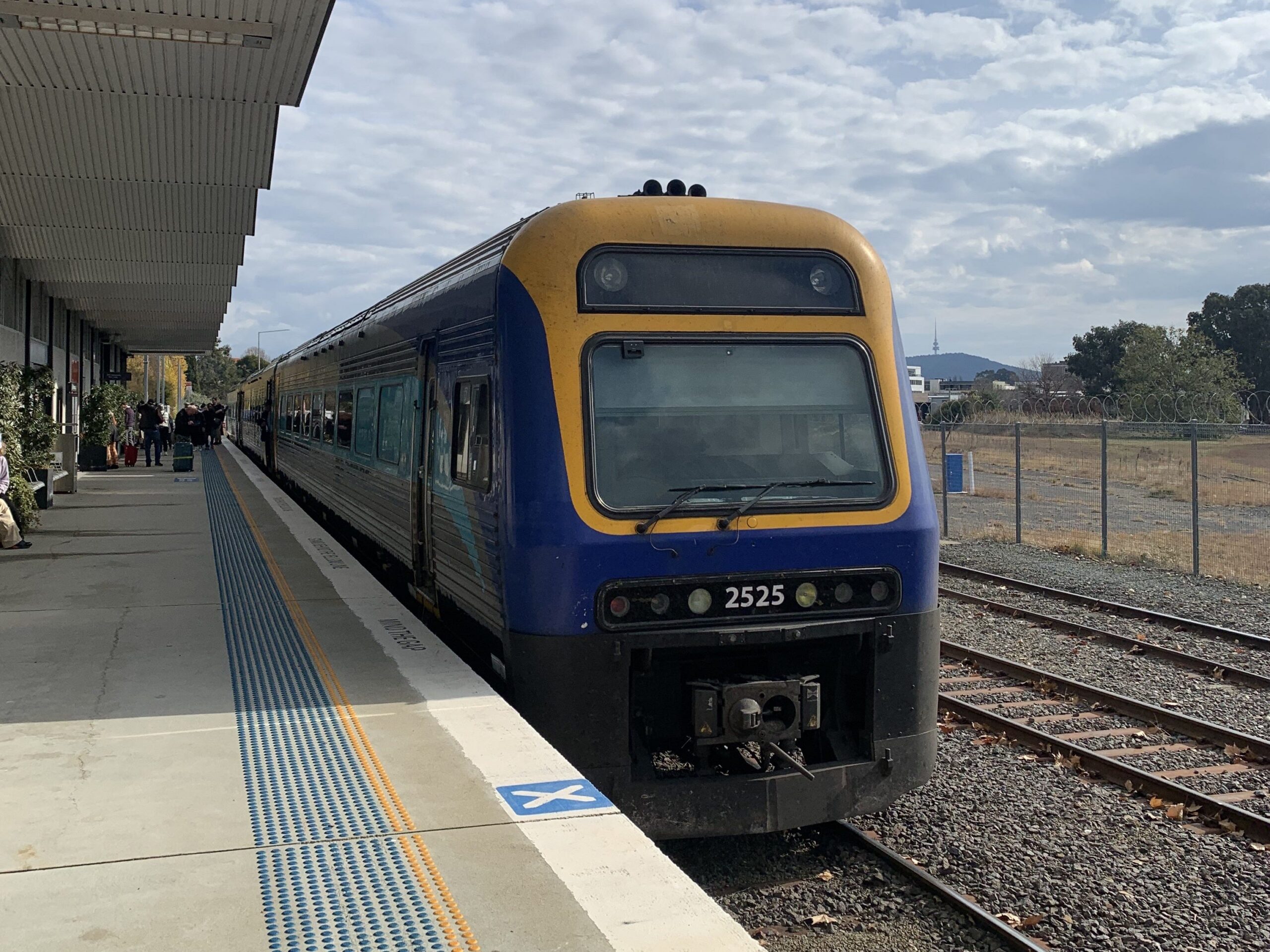
Planned upgrades to the Canberra line, recently announced by the Commonwealth, NSW and Australian Capital Territory governments, indicate what can be done. For a vanishing fraction of the cost associated with the conceived route to Newcastle, these works will allow for faster trips between Sydney and the capital. Likely elements include the investigation of new express services, upgrades to level crossings allowing for higher speeds, track realignment and the installation of new passing loops, among other potential measures. Meanwhile, the Australian Rail Track Corporation in May completed works on the Southern Highlands corridor used by Sydney–Canberra, Melbourne and Griffith, local and goods trains, resulting in a time saving of 18 minutes and better reliability.
Similar targeted, cost-effective projects could be undertaken elsewhere, such as in the Central West, along the Central Coast and on the North Coast. Victoria has done well with upgrades to its regional network, achieving widespread 160 km/h running and increasing frequencies. Incremental improvements offer the surest route to high-speed rail, characterised by services operating at 200 km/h or faster.
Professor David Hensher is the Director of the University of Sydney’s Institute of Transport and Logistics Studies, and has worked on numerous proposals. He told me last year that he was “not optimistic” about the chances of the latest vision. Hensher said that despite his support for eventual high-speed rail, “this project fails the basic test — is it the best use of taxpayer money?”
Commuters from Wollongong, the Blue Mountains, the Southern Highlands and further afield may think not.








High speed rail is a ridiculous thought bubble .the terrain is rugged with a major river in the middle. Yes its a busy line for freight. Why not put some money into developing business parks or maybe limit the population.