GANNA Reimagines Ukrainian Folk Music at The Vanguard Theatre
Ancient folksongs don’t have authors. Rarely do they have specific origins. Instead, they evolve through oral transmission as symbols and artefacts of culture.
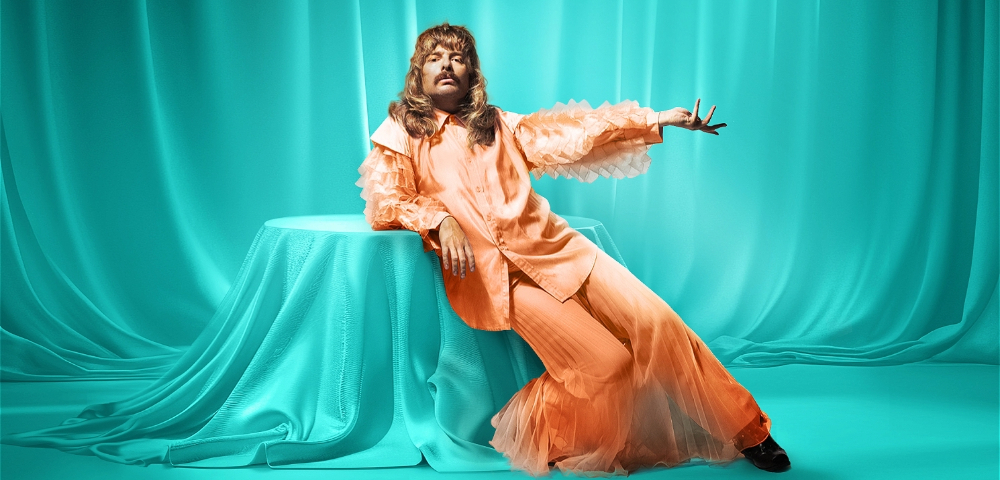
Many such folksongs exist today in the lexicon of popular music, contemporised by modern artists. Yet, on the periphery as ancient cultures have become marginalised, knowledge of folksongs from non-English-speaking peoples has dwindled. Such songs include those of the Sámi people in northern Scandinavia, Yolŋu music from Indigenous Australians, and – as was performed by Ukrainian electronic/folk musician GANNA at the Vanguard Theatre on March 3 – songs of old Ukraine.
Since 2013, it has been GANNA’s mission to recontextualise, modernise and popularise old Ukrainian music. Through combining ancient rhythms, melodies, and lyrics with modern electronic equipment, GANNA has developed a method of adapting this music into pieces of complex electronica. This, as was seen at the Vanguard, has created a revived interest in the old songs.
Filled with a mix of Ukrainians and Australians, the theatre erupted as GANNA took to the stage on Tuesday night.
“Slava Ukraini!” (glory to Ukraine!) she called out before opening with an adaptation of famous Ukrainian folksong, Tuman Yarum (Mist Over the Ravine).
“Heroyam slava!” (glory to the heroes!) the audience chorused back.
Behind a table snaking with synthesisers, MIDI-keyboards, loopers and a laptop running Ableton Live, GANNA’s hands flashed between buttons and dials. Soundscapes clattered into the room. Electronic bass pulsed beneath clicks and wooden taps. The line between what was an acoustic recording, a synthesiser, or a live-recorded loop became impossible to find. And atop these arrangements, with her eyes clenched shut, and her head hung back, GANNA lifted her voice.
In an earlier interview, the musician told me that by performing solo she is allowed the freedom to use her voice as her main instrument. First, she used it percussively. Gasps, tongue clicks, trills and sharp cries were looped to create the sounds of birds and animals singing within a forest. Then, layering her voice live, she would build her harmonies. Emphasising the ancient quality of the music, as these harmonies soared it sounded less like one person on stage but a choir.
Locating the intention of the song – whether the softness of a lullaby, or ecstasy of a celebration – GANNA would bring it to the fore. This was most obvious in her rendition of Mermaids, drawing from a ritual song performed during the Rusalnyi (mermaid) week.
As GANNA describes, during Rusalnyi week, “People would be dancing and making music from dusk till dawn and it was believed that mystical creatures would come out from their world and celebrate together with ordinary people. By allowing these spirits to rave for almost a week, people hoped to not be disturbed by them for the rest of the year.”