
THE NAKED CITY: STREET ART VERSUS GRAFFITI
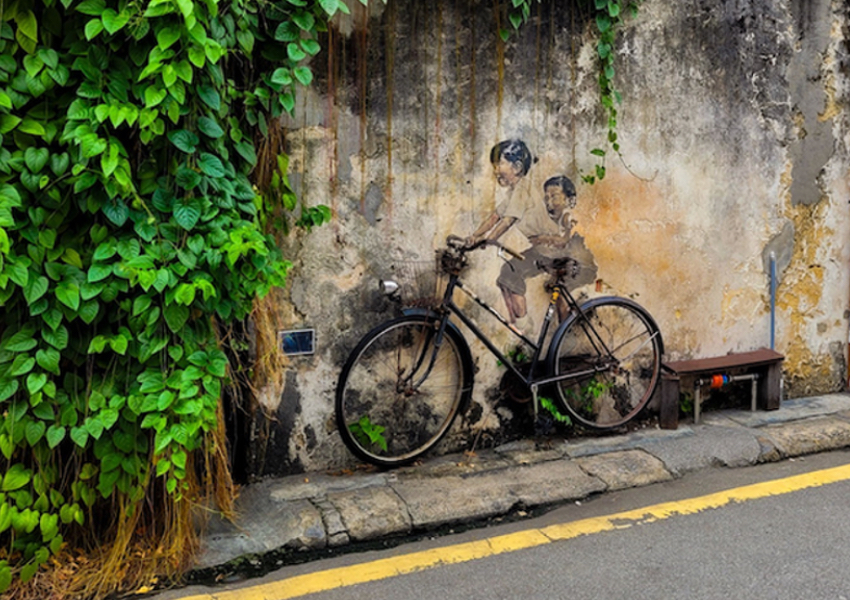
Image: Little Children on a Bicycle, George Town, Panang. Image: Andrew Liu
Travel anywhere on the Sydney or inner city rail network and you will be confronted by an almost continuous display of graffiti and tags alongside the tracks and any adjoining structures. There’s graffiti on backyard fences, front yard fences, the rear and sides of buildings, on railways bridges, on signal boxes and all manner of railway property – in fact just about anywhere that presents a vacant canvas.
Despite efforts to contain it and paint it over with gallons of brown paint, it’s obviously a losing battle. The conflict extends to the carriages themselves and prior to the pandemic, the clean up bill was said to be costing taxpayers around $100 million a year. The positioning of much of the graffiti means that there have been thousands of intrusions onto the actual tracks, most likely late at night, with vital signal cables and other essential infrastructure vulnerable to any act of accompanying vandalism.
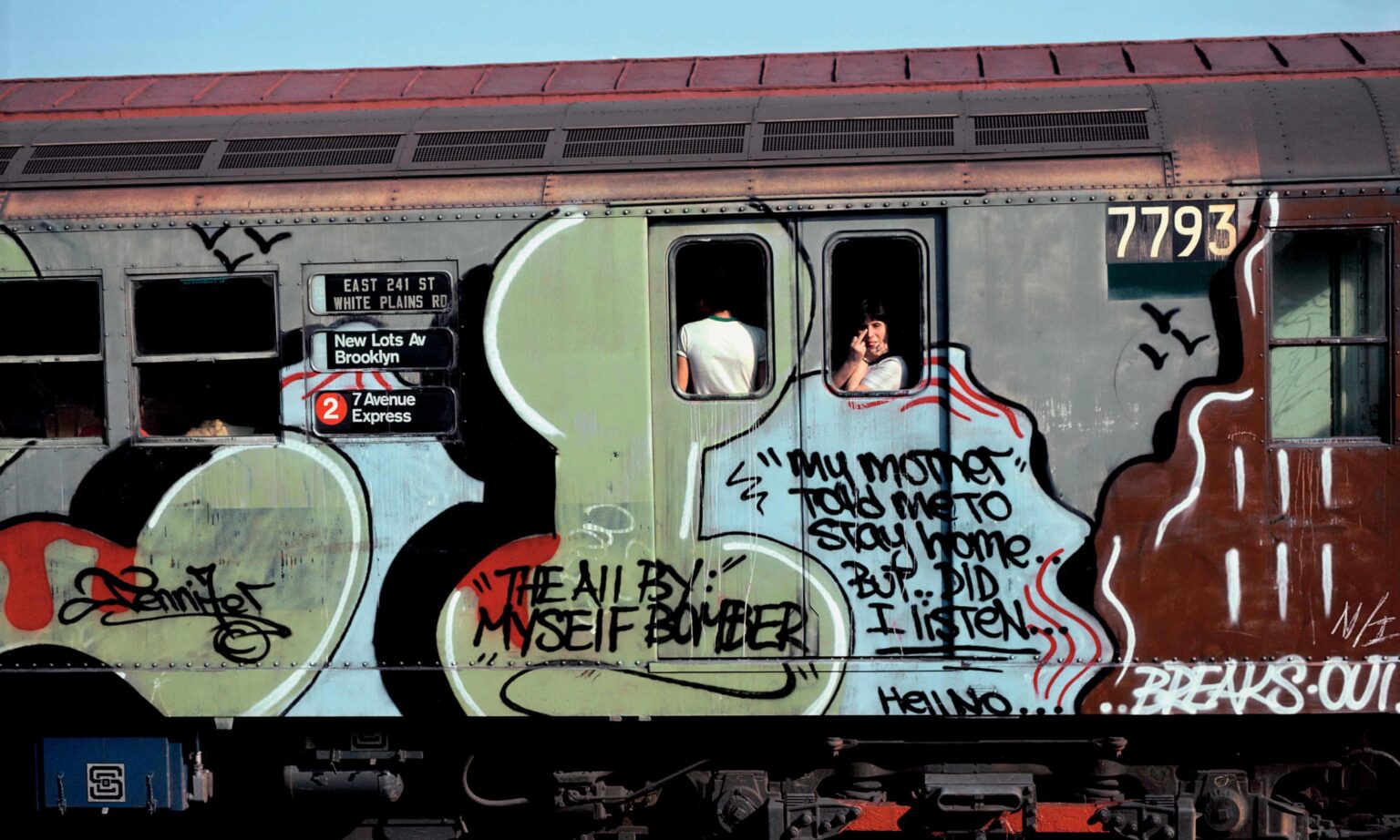
So when did the graffiti epidemic start? Whilst graffiti itself dates back to Greek and Roman times, the modern version is said to have originated in the US, sometime in the ’70s, with a number of cities like New York and Philadelphia claiming credit. Afro-Americans and Hispanics were at the early forefront, paralleling the emergence of rap and hip hop. It didn’t take long for the essentially white middle classes to appropriate the culture and import it to various countries around the world. Like the emergence of anaemic white rappers, the graffiti we saw here lacked any genuine political connection or socially relevant message – unless it was the rising cost of a new pair of Air Jordans.
What strikes me most about the tsunami of graffiti and tags that wash over so much of our urban landscapes is the complete lack of humanity, humour or any kind of statement whatsoever. Most are just premeditated designs, heavily appropriated from the US school that mean nothing, say nothing and appeal to the Tik Tok mentality of instant self-gratification. No doubt the army of taggers and graffiti ‘artists’ who leave their decorative mark will assign other meaning and motivation. Unfortunately the visual impact conveys only the gratuitous thrill of the act and a violation of your privacy when it ends up on your backyard fence.
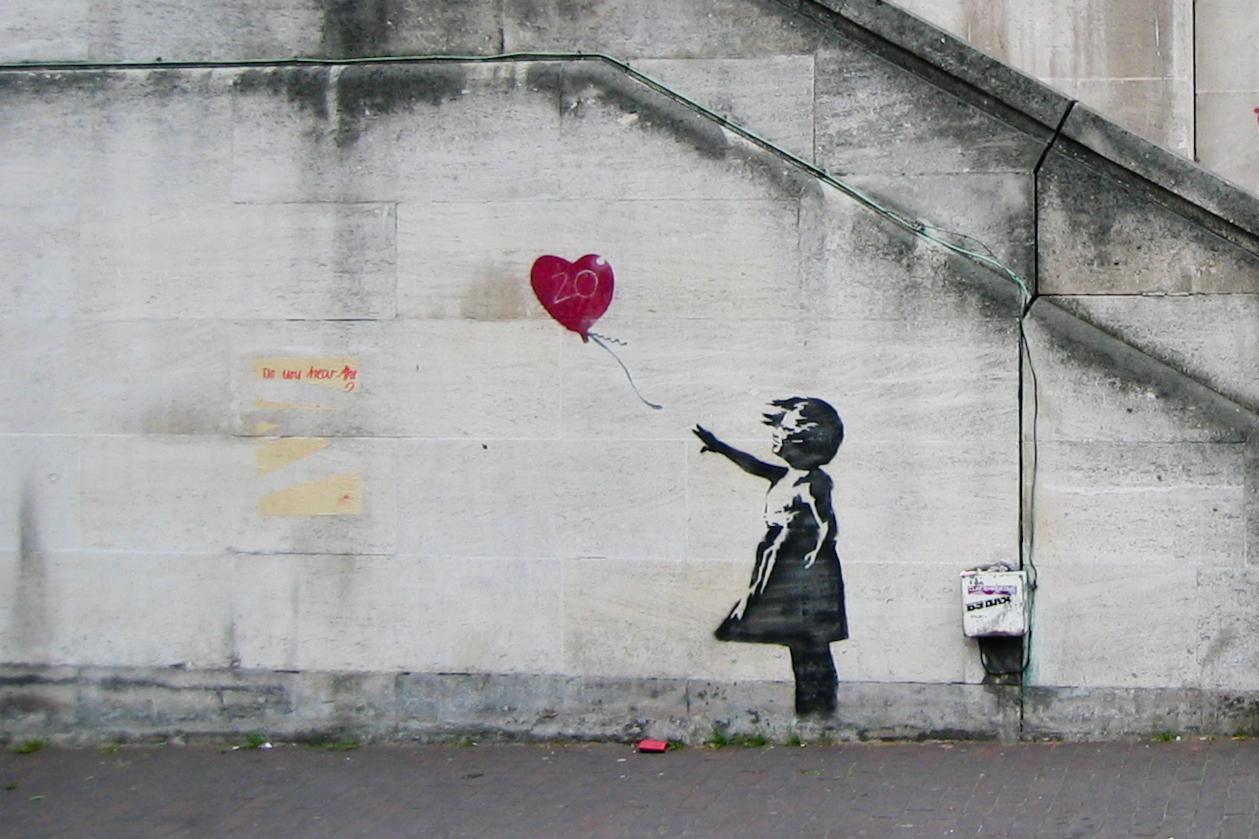
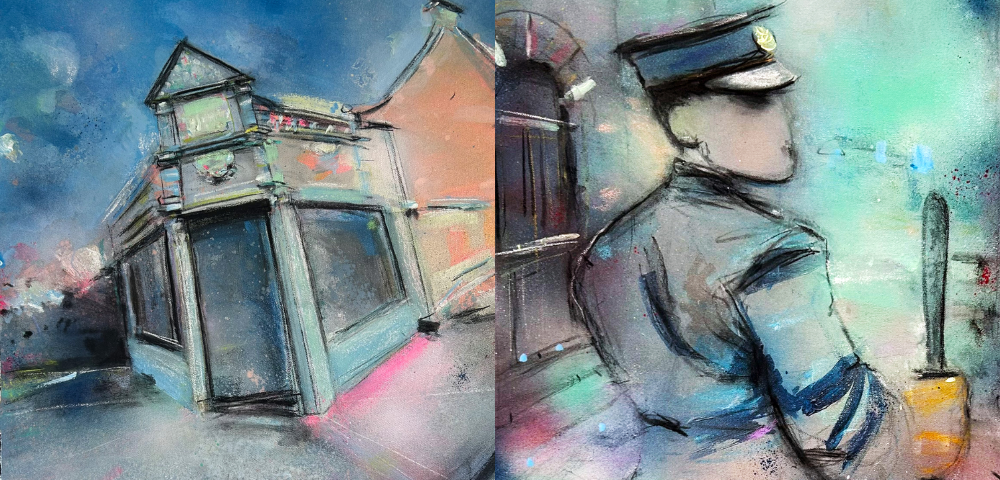
On the other hand, street art, whether it’s legal of ‘semi legal’ such as the early offerings of Banksy, at least carries a meaning which is decipherable for the average joe. Legally installed street art is encouraged by many local councils and, to be fair, many former graffiti artists have come over to the other side and applied their artistic ability to such projects. In Newtown you can go on a tour of the suburb’s street murals which include the now iconic “I Have A Dream” image of Martin Luther King combined with the First Nations flag.
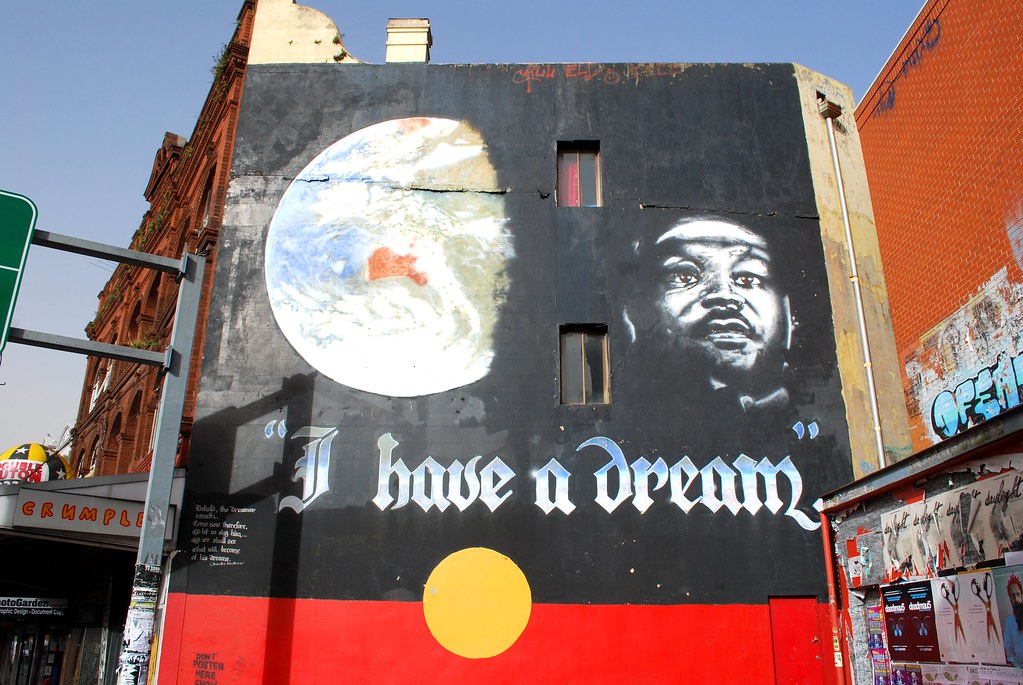
Whilst there is a strong respect for the Newtown murals, street art in other areas of Sydney often runs the gauntlet of taggers who can’t resist leaving their calling card. Unless they get a regular touch up many street murals begin to flake and degrade after a period of time. Some artists see this as a natural evolution and don’t have a problem. Elsewhere there’s a certain poignancy in seeing a once vibrant mural fading badly unto the eons of time, like those in Walla Mulla Park in Woolloomooloo.
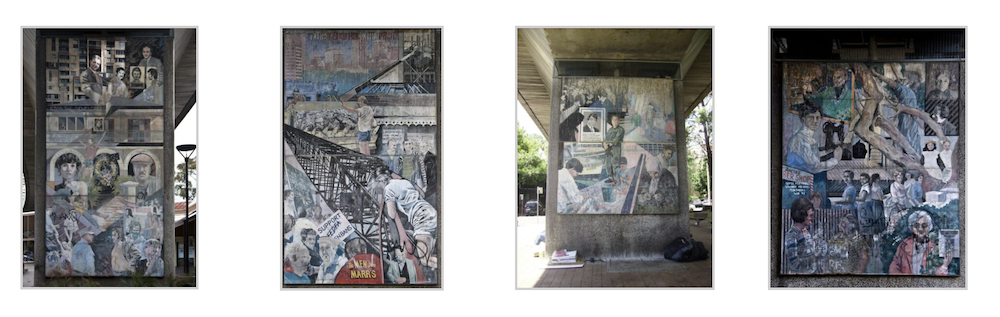
Murals in Woolloomooloo. Images: City of Sydney
Whilst Banksy has become the darling of the ridiculously high priced art world, it’s refreshing to still find street art on the planet that resonates without the pretence of contrived rarity. In George Town in Penang, there is one particular mural that has been embraced by locals and tourists alike and is now the iconic image of the Malaysian island, reproduced endlessly on t-shirts, coffee cups and an assortment of other souvenirs. ‘Little Children on a Bicycle’ covers the wall of a shophouse on Armenian Street, along with an old bicycle attached.
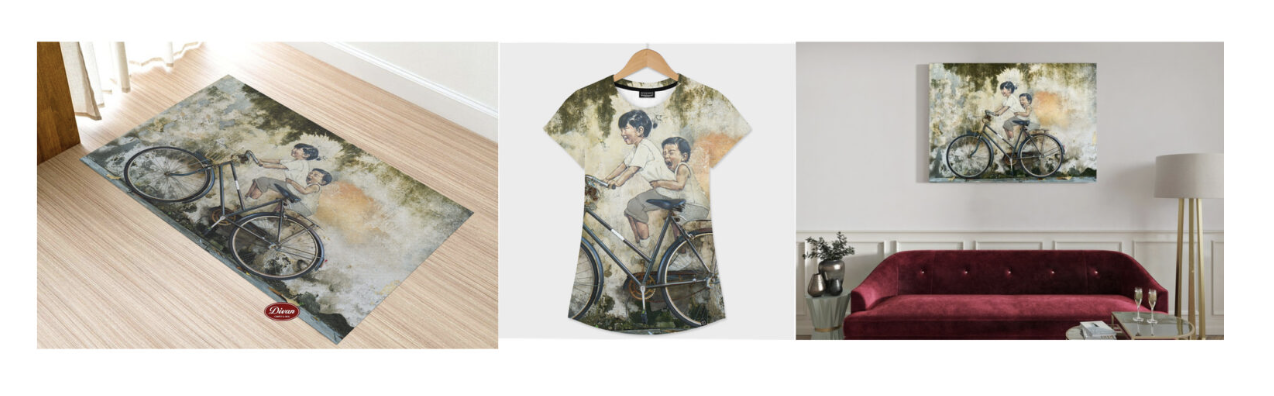
Since it was originally painted in 2012 it’s become the most photographed attraction in the old colonial town. Clearly better than any Banksy, it’s shown enormous respect by all who view it and are photographed alongside. If the same mural existed in nasty old Sydney, the bike would probably be ripped away overnight and the two kids covered in tags. There’s no way it would have survived a decade or more and today would be obliterated by some piece of meaningless hip hop scribble.