Image: Forces Command - Australian Army / Facebook
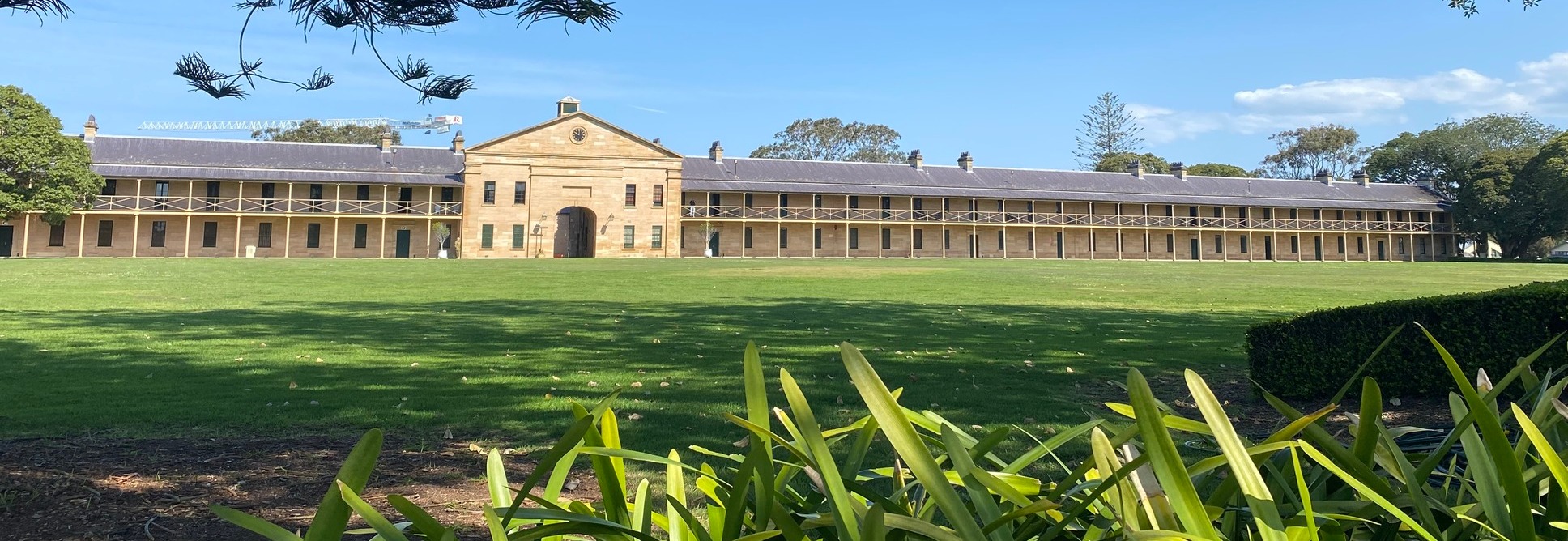
With the Albanese Government intending to divest Sydney’s historic Victoria Barracks, attention has turned to what should be done with it, and whether the plan is a wise one.
The forecasted sale of this and other Defence Force properties across the country is intended to provide a sugar hit of up to $1.8 billion for the public coffers. The plan has, inevitably, proven contentious. Marjorie O’Neill, Labor MLA for Coogee, emerged as one strident opponent.
“Victoria Barracks, Sydney is not surplus land, nor is it a disposable asset,” O’Neill wrote in a letter to defence minister Richard Marles. “It is one of Australia’s most important military, operational, and heritage sites, with a continuous history dating back to the 1840s.”
“From the earliest days of colonial forces, through Federation, and into the modern Australian Defence Force, Victoria Barracks has played a central role in shaping Australia’s defence capability and national identity.”
“Generations of service men and women have passed through its gates, and its buildings and grounds stand as a living record of their service and sacrifice.”
Barracks a heritage site, not for housing, says local group
Wentworth MP Allegra Spender told the City Hub that her “strong preference is that, as much as possible, the area of Victoria Barracks is retained for public use.”
“Any plan should assure long-term public value comes before short-term revenue. Heritage protections must be strong and enforceable and public access to Victoria Barracks should increase, not decrease.”
“Veterans and the local community must be involved from the start. These sites tell our military story. Any future for Victoria Barracks must honour that legacy while also meeting the needs of today and future generations.”
The Paddington–Darlinghurst Community Group advocates on matters of local development. Will Mrongovius, its convenor, said that its members — “who live right next to Victoria Barracks” — support O’Neill’s position.
“Simply put, Victoria Barracks belongs to the people. It is a historical site that cannot be re-created.”
“Defence are not the owners of the site, they are custodians.”
“Arguments about affordable housing are ridiculous. The state government housing policy is a joke and totally ignores low cost and social housing.”
In early February, a spokeswoman for pro-housing group Sydney YIMBY told the Daily Telegraph that she does not “want to see it go to waste on a few dozen houses when we could be housing hundreds of people.” Another local association, the Paddington Society, disagrees. It notes the barracks’ significance “for its long military history and its Georgian architecture with both national and global value.”
“This is not a housing site, it’s a heritage one. We definitely do not want to see 40 storey housing blocks as has been suggested. Any housing on the site should be discreet and entirely subsidiary to the Barracks.”
City of Sydney supports conversion into public place
The City of Sydney has been eager for Victoria Barracks to be converted into parkland and, potentially in part, housing.
Last year, the City sought public input on the site’s future, should the land be divested.
A spokesperson said that the feedback “highlighted a desire for a publicly accessible place that celebrates its military heritage, provides open space, community and cultural uses and supports Sydney’s housing needs.”
Following public consultation, councillors in November endorsed eight “guiding principles” to govern future decisions if the land is divested.
These concern conserving the heritage and military significance of the site; maximising public accessibility and maintaining public ownership; enhancing and expanding green open space; prioritising cultural and community uses; incorporating “diverse” housing including public housing; encouraging “compatible and viable” commercial uses; supporting environmental sustainability; and “robust planning, implementation and management.”
“These principles were then shared with the Minister for Defence,” the spokesperson continued.
“The principles honour the past while addressing contemporary urban challenges including housing affordability, access to green space and community connection.”
“The aim was, and is, to ensure the Federal Government includes community voices in future decision-making and that any transformation of the site provides lasting benefits for current and future generations.”