Image: Wikimedia Commons
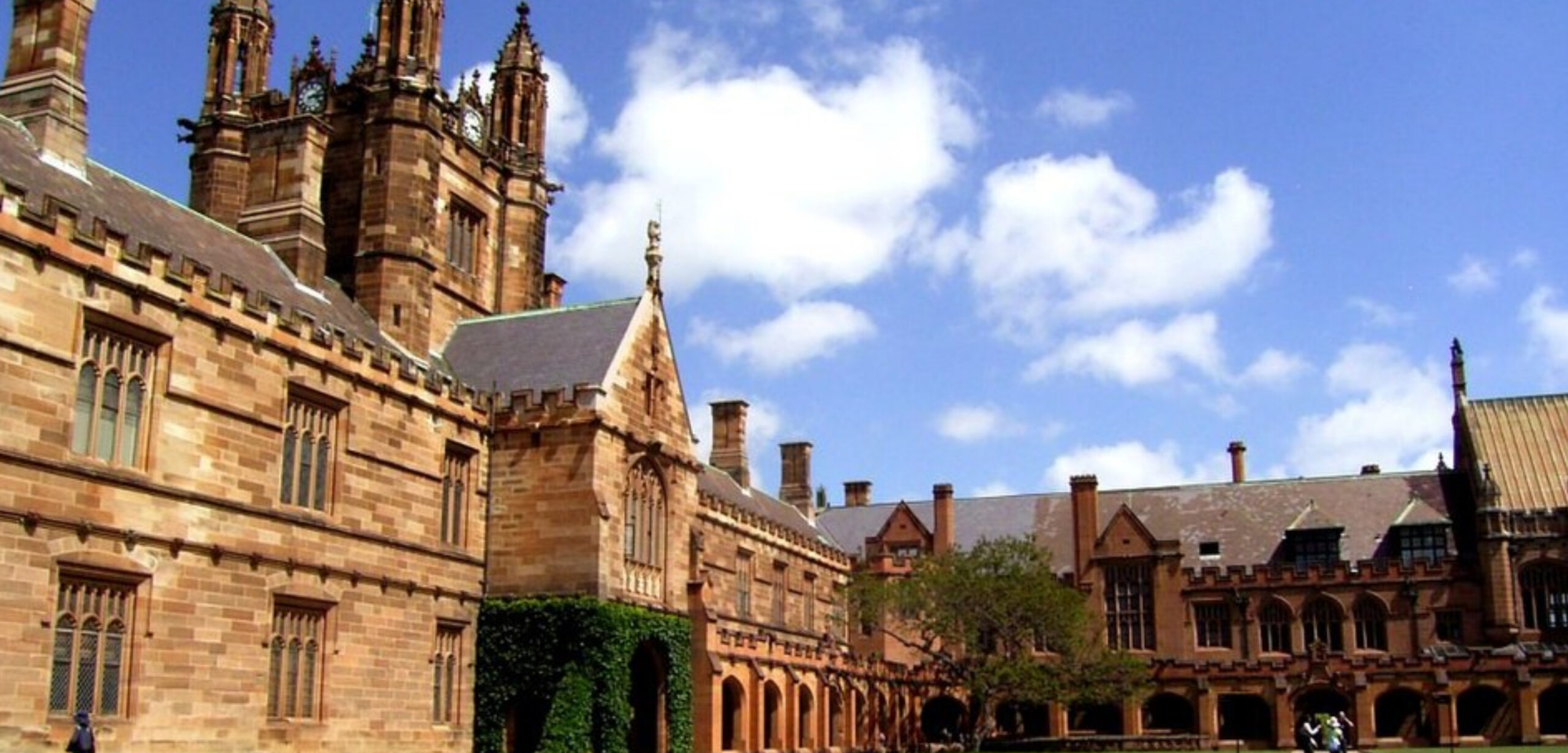
This Thursday 22 October, students at the University of Sydney (USYD) are expecting to have classes cancelled as university staff amp up their industrial action over pay and conditions.
The strike is led by the USYD branch of the National Tertiary Education Union (NTEU). Staff are demanding a range of improvements to the Enterprise Bargaining Agreement, including pay raises, increased job security, redundancy protection, a review of Education Focussed Roles and enhanced AI safeguards.
The strike will establish a picket at the University’s Main Gate on Parramatta Road, collectively defending the strike and increasing visibility. Strikers will engage with people coming to campus, aiming to convince them not to undermine the strike by going to work or class.
Impact Of Strikes On Students
Online forums have gathered hundreds of comments from students who feel upset about missing classes due to the strike, claiming that “the [University] should provide a fractional refund to students matching the proportion of classes that they don’t deliver.”
NTEU’s website argues that that the University’s “cost-cutting and corporate culture hurts students,” resulting in a university “unable to provide the standard of education and support our students deserve.”
Grace Street, President of the USYD’s Student Representative Council (SRC) told CityHub that it is “understandable” that there are some students who feel “ripped off” by the University.
USYD Treating Students Like “Cash Cows” & “Deflecting” Responsibility
“The reality is that it’s the University management itself who has been treating students like cash cows for years, mistreating staff, and offering subpar educational experiences.”
“[Staff] are forced to take strike action because the University is not listening to staff demands about AI safeguards, job security and adequate pay in a cost-of-living crisis.”
To minimise disruption and keep the community informed, a spokesperson from the USYD has told CityHub that the University is “encouraging staff and students to work and study from home on Thursday where possible, with most classes expected to run online as they have during previous strikes.”
“A very small number of labs may need to be cancelled if they can’t be rescheduled, while individual teaching staff who choose to take industrial action decide whether to reschedule their classes.”
Meanwhile, Grace argues that by framing the strike as a deliberate disadvantage inflicted by teaching stuff upon students, the University is “deflecting” its obligations in the strike.
However, Grace says students are generally supportive of the strike. “It’s short-term pain for long term gain for both staff and students, and students are generally supportive of this because they see how overworked their teachers are, how big their classes are, and how banked-back administrative systems like Special Considerations are.”
The University’s student newspaper, Honi Soit, has also prompted students to reflect on the importance of fair conditions for teaching staff and the impacts of the demands, encouraging them to join the strike.
AI & Job Security Concerns High Among USYD Staff
A key demand in the strikes is the call for effective regulation of the use of AI in the Enterprise Agreement. The NTEU are fighting for clauses that will protect the quality of work and education at the University, ensuring that AI will not be implemented for the purposes of downsizing, decisions around staff employment, collections and surveillance.
A spokesperson from the USYD told CityHub that a “Responsible AI Framework and guardrails have been developed in consultation with our community” to ensure an ethical and human-centred approach to AI.
Due to the fast-changing nature of technology, the spokesperson said the University “believes AI is best governed through more flexible policies rather than the three-year term of the enterprise agreement that may quickly become outdated.”
“AI is already reshaping the workforce, and we’re investing in the tools, training and support our staff and students need to use it productively and responsibly. This is not a cost-saving exercise, it’s about strengthening our research, education and operations, and ensuring our community is prepared for the workplaces of the future.”
Discourse surrounding AI and safety concerns in the workplace are increasing, and are not restricted to universities. On Tuesday, a report released by the Human Technology Institute at the University of Technology Sydney called to strengthen workplace privacy in Australia as employers increasingly turn to AI to track employees, “raising critical concerns on the impact of workplace surveillance on the privacy, health and dignity of working Australians,” committee member and Labor senator Tony Sheldon told The Guardian.
Strikes “Won’t Change” How The University Negotiates
A spokesperson from the USYD says that the University’s “focus remains on reaching an agreement through bargaining”.
“We’re committed to reaching a sector-leading agreement that gives staff the opportunity to vote on meaningful pay rises and improved conditions.”
“After six months of bargaining, we’ve put forward a package that includes salary increases, expanded leave, stronger job security for academics, better career development support for professional staff, workload improvements, enhanced provisions for First Nations staff, and greater clarity around casual academic pay.”
In response to the strike on Thursday, the University spokesperson told CityHub that “we respect the right of union members to take protected industrial action, however it won’t change how we negotiate.”
NTEU has been contacted for comment.