
The 2025 Wrap-Up: The Five Best Movies Of The 21st Century (So Far)
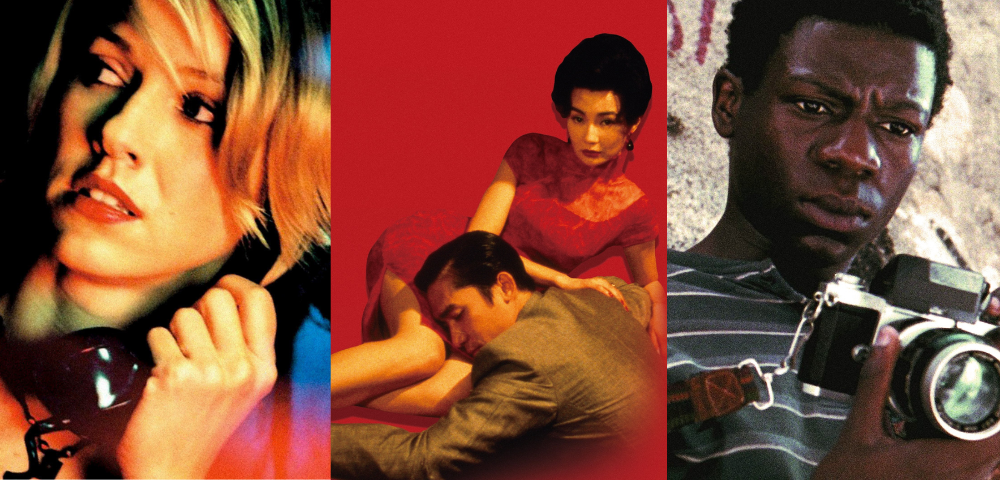
Image: Source: TMDB
As a quarter of a century draws to a close, I’ve been thinking a lot about the best movies of the 21st century.
There’s no doubt cinema has often been on the rocks since 2000: we’ve seen mega-franchises rise and muscle out vastly more interesting films, movie theatres grow increasingly unaffordable and studios absorb other studios into terrifying mega-conglomerates.
Yet despite those numerous issues, it’s hard to deny the fact that plenty of fantastic films have been released in that time. After plenty of deliberation, here are my personal picks for the five best movies to have been released in the 21st century so far!

#5: Mulholland Drive
Waking up to the news earlier this year that David Lynch had died was absolutely devastating. For decades, he’s created an entirely unique vision for cinema and television that’s inspired countless other artists in their work – television is arguably the way it is now because of Twin Peaks.
But in a body of work that’s so thoroughly impressive, Mulholland Drive still stands tall as Lynch’s defining achievement. This neo-noir odyssey through Los Angeles has it all – a potent psychosexual element, a grand conspiracy that may or may not be real and absolutely magnificent direction and filmmaking craft from Lynch and his usual collaborators.
Its musings on the Hollywood system are fascinating coming from Lynch, and its depictions of queer desire are genuinely nuanced, human and authentically messy. But in my view, it really all comes down to that scene in Club Silencio – perhaps the finest Lynch ever filmed – which encapsulates the mesmerising, twisting illusion that is Mulholland Drive.
#4: Inside Llewyn Davis
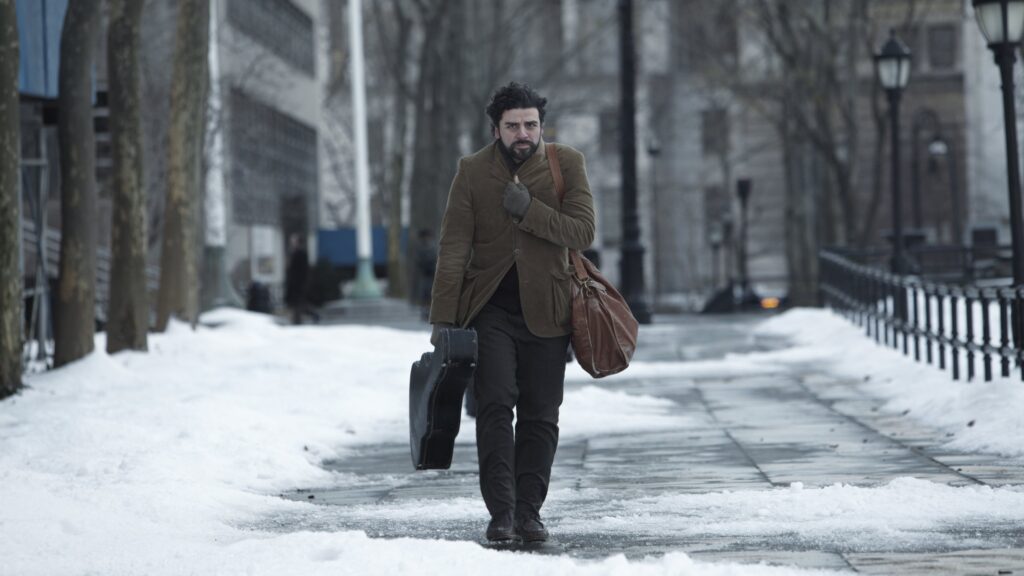
The best fake biopic ever made, Inside Llewyn Davis is my personal favourite of all the Coen Brothers’ movies. Though based heavily on the life of Dave Van Ronk, a contemporary of Bob Dylan who never achieved quite the same level of success, it carves its own space as a significant film portraying the struggles of artistry and suffering from depression.
Oscar Isaac turns in a performance he still hasn’t beaten as Llewyn Davis in the film, a talented yet underappreciated folk singer in 60s New York struggling to make ends meet. As the film slowly unveils the depths of his character, it’s hard not to feel incredible sympathy for the man, even in spite of his self-destructive behaviours.
Thanks to its sensationally performed music, an often sardonic sense of humour and a real gut-punch of a story, Inside Llewyn Davis is a genuinely beautiful film that continues to resonate with me the older I get. The amount of times I think about the final performance of the Fare Thee Well performance at the end of the movie in a given week is alarmingly high.
#3: City of God
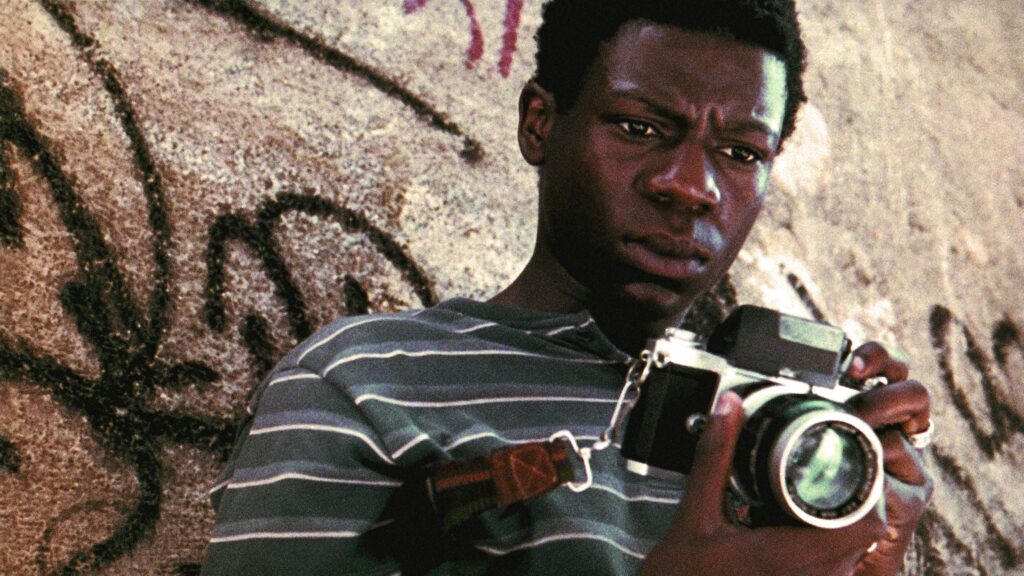
A frenetic portrait of Rio de Janeiro’s favelas, City of God (or Cidade de Deus) is simultaneously both thrilling and haunting as a cinematic experience. Its story spans decades and a seemingly infinite cast of characters, showcasing the difficulties of their lives as they grow up and survive in abject poverty.
The film wildly varies in tone across its runtime without any particular scene feeling incongruous with another, thanks to Alexandre Rodrigues’ delightful turn as aspiring journalist and the film’s narrator Rocket. There’s some seriously bleak stuff throughout City of God, with one scene in particular having haunted me ever since I first watched it – at the same time, it finds the space to be genuinely charming and funny while showcasing a supreme control over the art of filmmaking.
Directors Fernando Meirelles and Kátia Lund, along with the invaluable work of editor Daniel Rezende, make this balance feel effortless as City of God propels itself forward at a hundred miles per hour. It’s an essential piece of Brazilian and world cinema in general, a landmark exploration of crime, poverty and the systems that enable them to continue.
#2: Portrait of a Lady on Fire
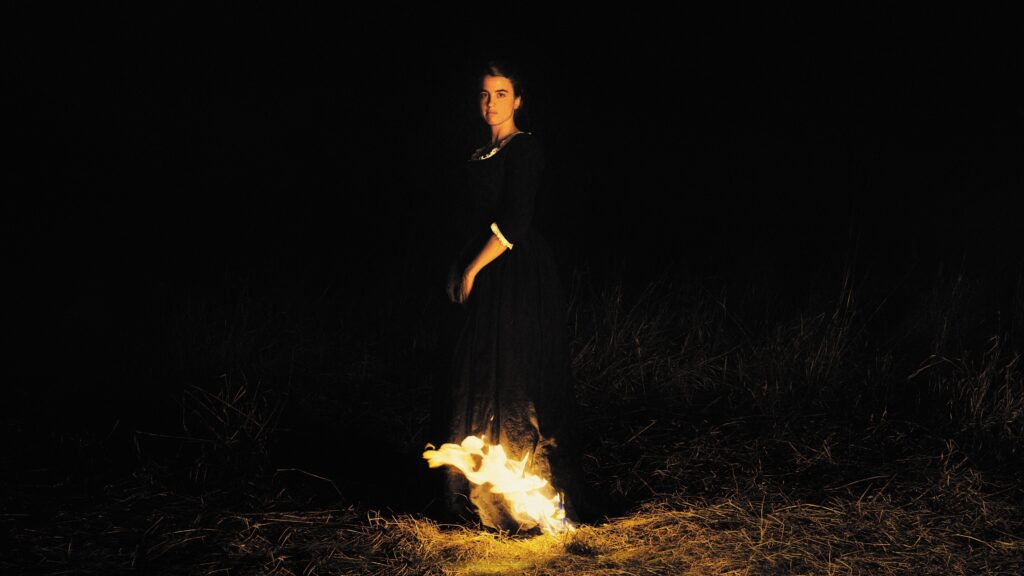
Celine Sciamma’s Portrait of a Lady on Fire is best described as an achingly beautiful film. A period piece taking place in 18th century France, its tale of a painter hired to secretly create a portrait of a woman set to be married off is one of the most thematically rich and visually sumptuous pieces of queer cinema to have ever been released.
Far more than just simply the story of how a painting came to be, Portrait of a Lady on Fire is an investigation into the role of women in this era, giving them the power to define their own space and relationships in this world. Sciamma’s film truly embraces the female gaze, with men rarely seen or heard from to centre its then-illicit lesbian relationship.
It’s a film more interested in the perspective of Eurydice than Orpheus, investigating how the perspectives of women and queer people are marginalised both in daily life and the artistic world. It’s all the more powerful coming from Sciamma, a queer woman herself, as she pioneers a new playbook that we could use to see cinema differently.
#1: In the Mood for Love
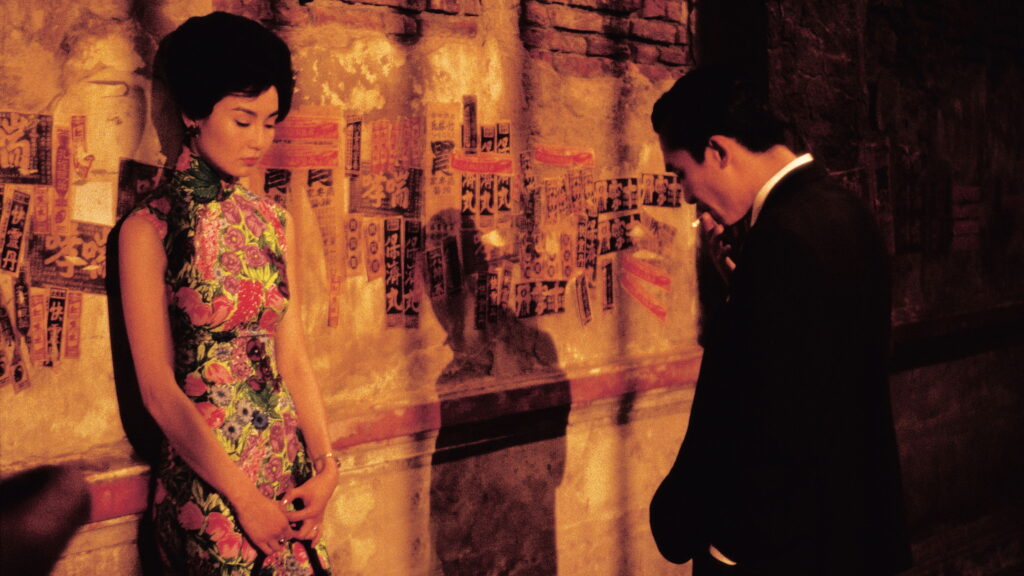
It’s the 1960s in Hong Kong, and neighbours Mrs. Chan and Mr. Chow discover that their spouses are having an affair with each other. What first begins as two kindred spirits relating to one another in a time of pain evolves into something more: a romance that cannot be, where each moment together feels like a transgression.
This is In the Mood for Love, Wong Kar-wai’s romantic drama masterpiece and my personal vote for the best film of the 21st century so far. No other film has quite so perfectly captured the complex, often sorrowful feeling of yearning after another: Wong is able to make every brief touch or overlong look shared between Mrs. Chan and Mr. Chow feel more intimate than a kiss ever could.
With his usual penchant for visual splendour, exquisite slow-motion cinematography and licenced music, director Wong is at his artistic apex here as he makes this a tale that could be mundane in any other filmmaker’s hands into a spectacularly beautiful affair. Pair those skills with Tony Leung and Maggie Cheung at the height of their respective powers, and In the Mood for Love becomes a stroke of the divine.
Deeply romantic and utterly gorgeous in every element, In the Mood for Love is one of the finest films ever created, and one of the essential artistic works of the 21st century full stop.