

Image: MSC-Design Design / Pexels
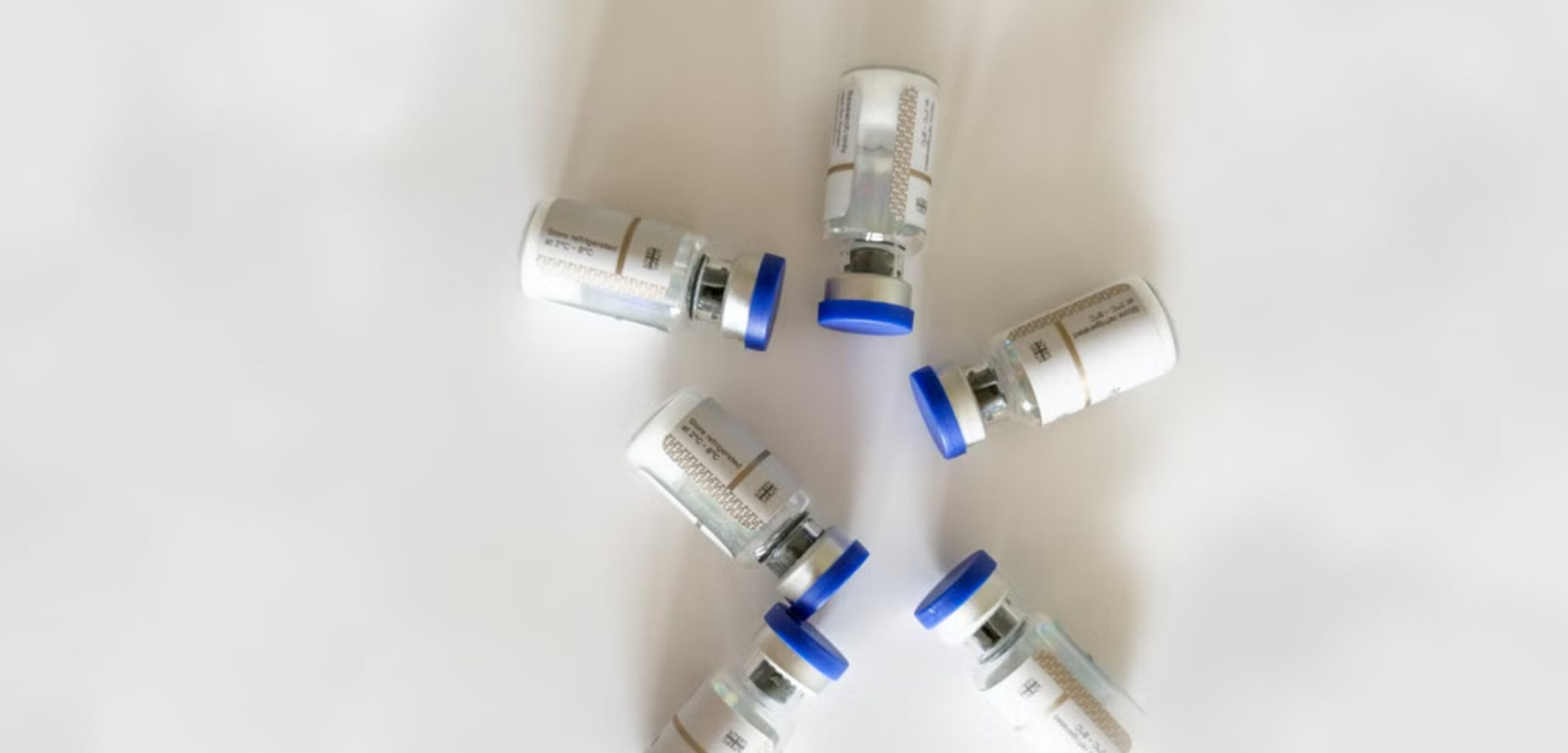
NSW Health has observed a growing number of individuals arriving at emergency departments with presentations associated with the use of unapproved peptide products.
The recent report recorded a total of 1,180 presentations across NSW emergency departments associated with peptide use between 1 July 2025 and 30 September 2026, 730 of which occurred in Sydney’s Local Health Districts.
The data also noted a drastic increase of these presentations within the same period, with only five peptide-related presentations in July 2025, compared with 217 in September 2026.
Experts Flag Unregulated Peptide Use Can Lead To “Long-Term Harms”
Now, NSW Health is urging the public not to use unapproved products, particularly those promoted through social media and online retailers. They note that some of peptide products currently storming the market, such as BPC‑157, GHK‑Cu, TB‑500, retatrutide, and CJC‑1295, are not approved in Australia for any purpose, medicinal or otherwise.
Moreover, medical authorities warn unregulated products may not contain their label ingredients at all, while even genuine products may contain unknown or harmful substances, be incorrectly labelled, or contain varying strengths of the marketed active ingredient.
“We know that using these unapproved substances can come with real health risks, but it’s particularly alarming to see the growing pressure they’re placing on our health system,” said Minister for Health Ryan Park.
“Even when a product looks professional or comes in convincing packaging, that does not guarantee it is safe for use. I’m urging the community to be mindful of the potential long-term harms of unprescribed peptides, and speak with their GP for safe, evidence-based health advice.”
NSW Chief Health Officer Dr Kerry Chant offered a similar warning, arguing there is no way to know whether an unregulated product is safe.
“A professional looking website, a label, purity claim, reviews, or influencer endorsement is not proof of what is inside the product,” said Chant. “The contents and strength may also vary between products carrying the same label.
“We encourage people to discuss the risks, benefits and safer alternatives to products they see advertised with their usual general practitioner or qualified healthcare provider.”
What Actually Are Peptides?
The word “peptide” is a broad term that describes any short chain of amino acids, with different peptides capable of producing widely varying physiological effects. Insulin and Oxytocin are both examples of peptides.
Though many peptide products have been marketed through social media as promoting weight loss, promoting injury repair, or even reversing aging, not all are evidence-based.
Some, like insulin products used by those with diabetes, or semaglutide, sold under the brand name ozempic, are approved by the Therapeutic Goods Administration and supported by decades of research and clinical trials for very specific purposes. Others, such as BPC-157 (the “Wolverine stack”) and TB-500 currently attaining virality, haven’t been comprehensively tested in people at all.
While NSW Health’s official advice is to abstain from using unregulated products, individuals who wish to persist with the use of unapproved peptides are encouraged to inform their regular healthcare provider.
Doctors in Australia cannot report a patient’s personal illicit drug use to the police, and remain obligated to monitor a patient’s health markers and supply harm-reduction advice.










Leave a Reply