Southwest Metro Delayed Until 2026, Government Blames Industrial Action
Commuters along Sydney’s Bankstown line are facing more months of replacement buses, with the NSW government confirming on Wednesday that the opening of the Southwest Metro will be delayed until late 2026.
Nine stations along the T3 train line between Sydenham and Bankstown were closed in September 2024 for the conversion, which was expected to take a year.
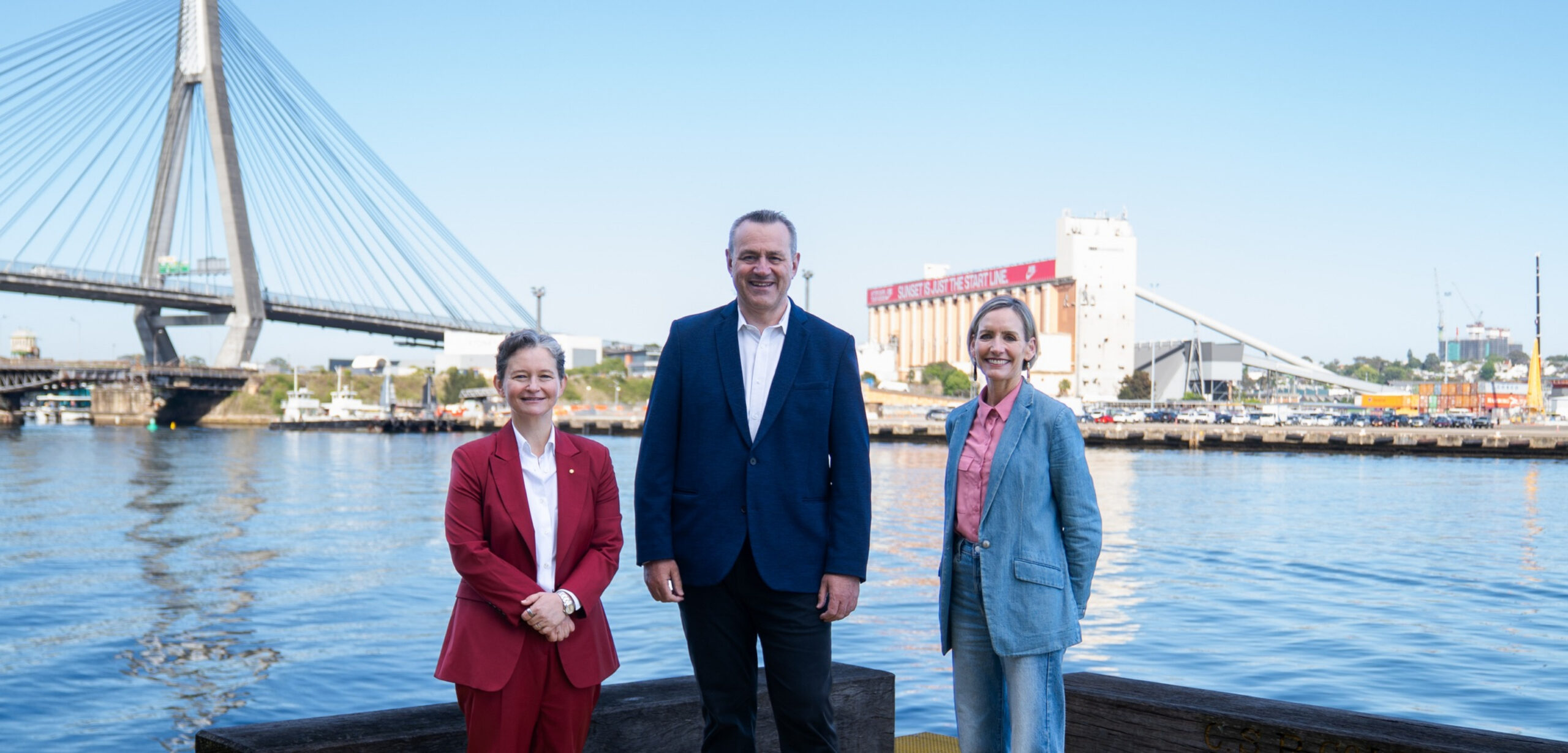
“Converting a 130-year-old rail line to metro standards is a highly complex project and we are very sorry that passengers will have to wait a bit longer to jump on the metro from Bankstown to the Sydney CBD,” said Transport Minister John Graham.
“We promise it will be worth the wait – passengers can look forward to fast, safe and reliable trips, with a train arriving every 4 minutes in the peak.”
The minister has blamed the delay on industrial action, which he said limited access to work sites and restricted the provision of work permits for more than 130 days.
“Works like upgrades to overhead wiring and station platforms, as well as electrical work to disconnect the line from the wider train network haven’t been able to proceed on schedule,” Graham said.
“Testing will start soon but industrial action has been very disruptive.”
Union disputes claims
After months of repeated rail strikes in Sydney, a ruling from the Fair Work Commission last month has ordered unions to end stoppages until July 1.
The NSW branch of the Rail, Tram and Bus Union have called the delay “another incompetent Transport blowout” on a post across their social media pages.
“Instead of taking responsibility, they’re once again playing the blame game on ‘industrial action’,” they said.
“It’s time for the government to stop shifting the blame and focus on actually improving transport in NSW.”
Since the conversion began, new lifts have been installed at Wiley Park, Dulwich Hill, Hurlstone Park, Punchbowl and Canterbury Stations, as well as new kiss and ride zones, and refurbishing of station buildings and platform surfaces.
A total of 28.3 kilometres of high-tech railway fencing has been installed along the alignment, which is made up of 5.8km of segregation fencing to separate the existing freight line and the metro corridor and 22.5km of security fencing.