
Image: Kirralie Smith / X
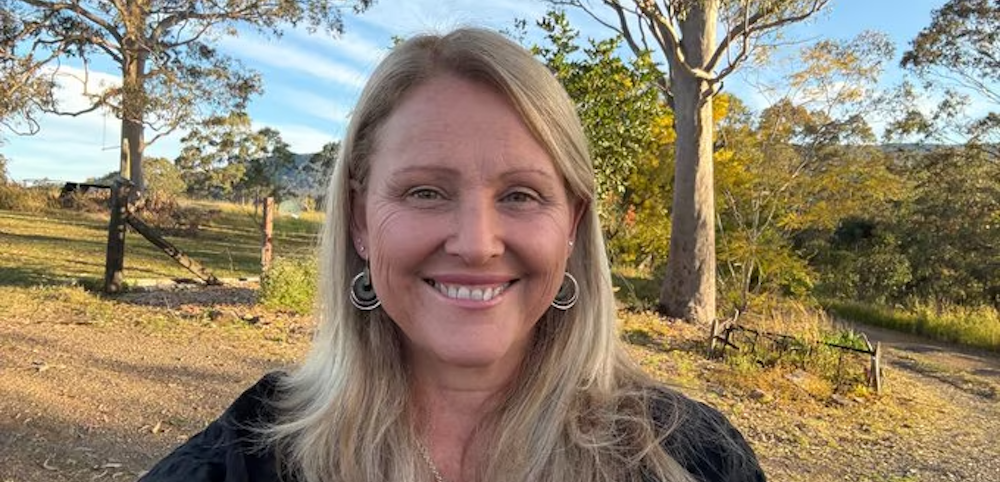
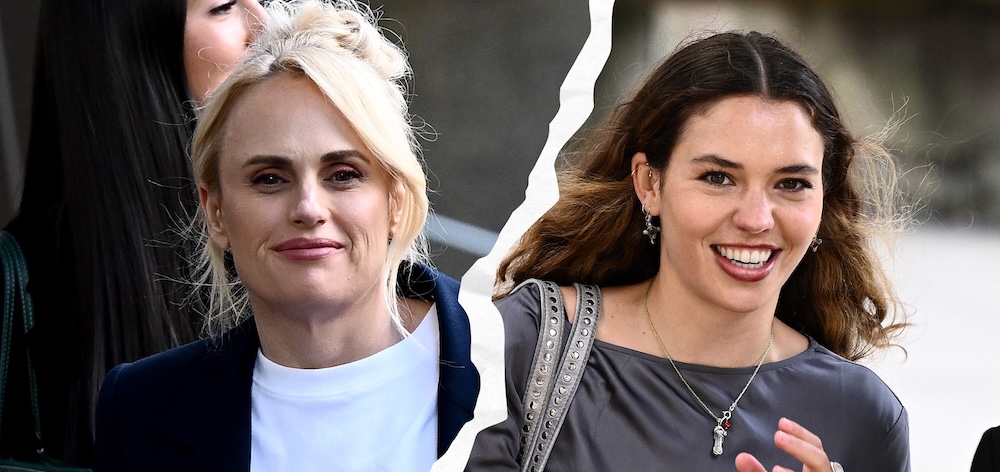
Anti-trans campaigner Kirralie Smith has once again lost her appeal in the NSW Supreme Court, leaving in place landmark rulings that she unlawfully vilified two transgender women through a sustained social media campaign targeting their participation in women’s football.
The decision is the latest major development in a legal dispute that has stretched across more than three years, with the Supreme Court dismissing Smith’s appeal against findings made by the NSW Local Court last year.
Why has this case been in court for so long?
If this feels like a story you’ve read before, you’re not imagining it. The legal battle between Smith, Stephanie Blanch and Riley Dennis has been winding its way through the courts for well over three years, spanning multiple hearings, separate proceedings and a series of appeals. With the NSW Supreme Court now handing down its latest decision, Star Observer has put together an explainer of how the case reached this point.
The litigation has become increasingly complex. Alongside the transgender vilification cases brought under the Anti-Discrimination Act 1977 (NSW), there have also been separate Apprehended Personal Violence Order (APVO) proceedings involving Blanch.
The legal battle has also attracted significant financial backing. Last year, Binary Australia announced it had raised more than $250,000 through crowdfunding to support Smith’s legal costs and ongoing court action, with supporters contributing to a campaign established after the original rulings.
But every appeal has also meant more time, more legal costs and more uncertainty for the transgender women at the centre of the proceedings. Although Smith has been entitled to pursue the available avenues of appeal, the litigation has repeatedly required Blanch and Dennis to relive the same dispute and defend judgments already handed down in their favour, extending a case that isn’t even really about them as people, but about people wanting to loudly push an anti-trans agenda.
A brief timeline of the case
February–March 2023: Smith begins publicly campaigning against transgender women participating in women’s football. During this period she publishes a series of posts about Stephanie Blanch and Riley Dennis, identifying them through photographs, football clubs, scoreboards and other details. Around the same time, Smith travels to Wingham with a group of men “impersonating transgender women”, an incident that later becomes part of separate APVO proceedings.
2023: Blanch and Dennis each commence transgender vilification proceedings against Smith under the Anti-Discrimination Act. Blanch also separately applies for an Apprehended Personal Violence Order.
Late 2024: The Local Court grants Blanch an APVO. Smith appeals the decision, but the appeal is dismissed and the order remains in place.
August 2025: Deputy Chief Magistrate Sharon Freund finds Smith unlawfully vilified both Blanch and Dennis. In Blanch’s case, Binary Australia is also found liable. The decisions become the first successful transgender vilification rulings under NSW law.
Late 2025: Smith is ordered to pay $55,000 to Blanch and $40,000 to Dennis, publish public apologies and pay legal costs. She appeals the vilification findings.
July 2026: The NSW Supreme Court dismisses Smith’s appeal, leaving the original findings of unlawful transgender vilification in place.
What were the original court cases about?
The appeal relates to separate proceedings brought by Blanch and Dennis over Smith’s public campaign against transgender women participating in women’s football.
In August 2025, Deputy Chief Magistrate Sharon Freund found Smith — and, in Blanch’s case, Binary Australia — had unlawfully vilified the women through a series of public posts. The rulings were the first successful transgender vilification findings under NSW law.
Importantly, the proceedings were not a determination of whether transgender women should be permitted to compete in women’s sport. Rather, the court examined whether Smith’s conduct had the capacity to incite hatred, serious contempt or severe ridicule because Blanch and Dennis are transgender women.
While previous reporting mistakenly related this case to Blanch and Dennis playing for Sydney team The Flying Bats, the initial incidents the case regarded occurred while the women were playing for other local teams, like Wingham Football Club.
Throughout the proceedings, the court considered dozens of social media posts in which Smith identified the women using photographs, football club names, scoreboards, links and other identifying information, despite not always naming them directly. The judgments found the material was more than sufficient for members of the public to identify the women and direct attention towards them.
The court also rejected arguments that because much of the information had already been published elsewhere, republishing it could not amount to vilification. Instead, the judgments focused on the context, frequency and cumulative effect of repeatedly directing that material towards identifiable individuals.
In Dennis’s case, Smith also claimed two women had been hospitalised after playing against a transgender footballer. However, during cross-examination, she was forced to acknowledge she could not verify these alleged players who had been injured, how the injuries occurred or whether evidence existed to support any of Smith’s claim.
Smith has consistently maintained the cases concern political advocacy about women’s sport rather than the actual transgender women themselves. She argued her posts were directed at sporting policies, not individuals, and has repeatedly said she should be free to campaign against the inclusion of transgender women in women’s competitions.
Following the original compensation orders, Smith wrote on X: “Males should never be permitted to participate in female sport. As a registered third-party political campaigner and a woman, I should have the right to advocate for this without being penalized [sic].”
The separate APVO proceedings
Running alongside the vilification litigation were separate APVO proceedings brought by Blanch.
Unlike the vilification cases, the APVO proceedings were not about whether Smith had unlawfully vilified Blanch under anti-discrimination law. Instead, the court considered whether her conduct amounted to harassment, intimidation or stalking, and whether there were reasonable grounds to fear it would continue if an order was not made.
Evidence accepted by the court included a February 2023 incident at a football ground in Wingham. According to paragraph 21 of the APVO appeal judgment, Smith attended with seven or eight men “impersonating transgender women” after earlier posting on X asking men from the Mid North Coast to contact her because there was “a bloke playing on the women’s team in Wingham”.
The judgment records that Smith filmed the event with the intention of releasing the footage publicly and told friends of Blanch she was “going to edit the video and post it online”. It also records that one of the men tore a Wingham Football Club shirt from a teenage girl participating in the demonstration.
The APVO appeal judgment ultimately found there were reasonable grounds to conclude the conduct was likely to continue without an order. Among the factors relied upon was Smith’s refusal to undertake that she would stop posting about Blanch or confine future commentary to broader policy issues.
With the NSW Supreme Court now dismissing Smith’s latest appeal, the original findings of unlawful transgender vilification remain in force, preserving one of the most significant judicial interpretations of NSW’s transgender vilification protections since they were introduced.
While Smith stated that more than $250,000 had been raised to support her in 2025, there is no current information confirmed about how much has been raised since that time. However, Smith released a statement to her email supporters in the days following the latest appeal ruling, asking her supporters to donate money to her for a documentary titled Who Decides?, saying “You’ve seen what they’ve put me through – dragged before tribunals and courts simply for saying a man is not a woman,” and telling her supporters that a film about the topic will do “what a court case and a headline never can.”
This story originally appeared on our sister website, Star Observer.





Leave a Reply