
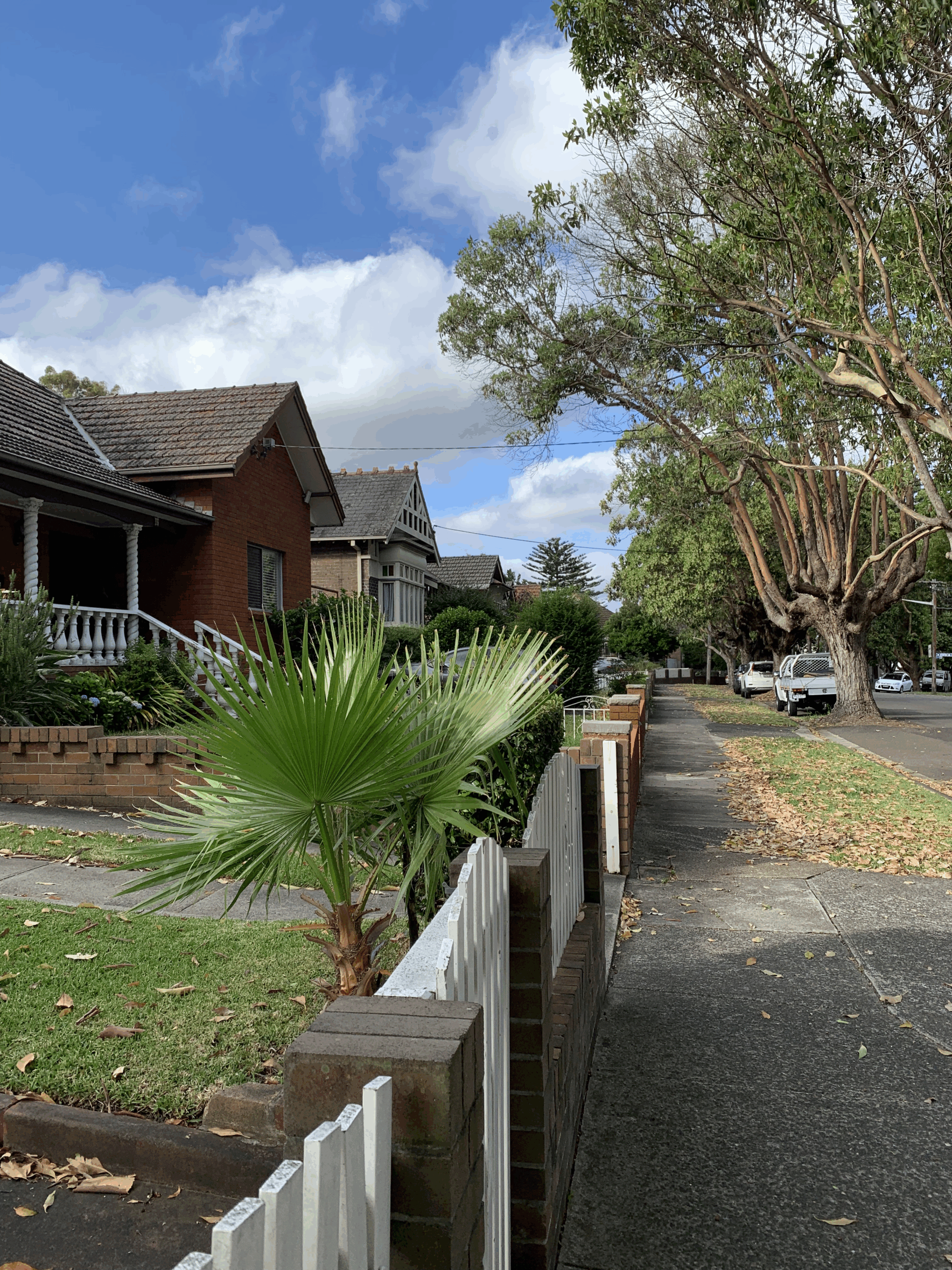
Image: Will Thorpe
Sydney property values declined slightly in December, as the crisis-driven Australian housing market appears to slow down, according to data from research firm Cotality.
Nationwide, property values climbed by 0.7 per cent, the smallest percentage increase in five months. In Sydney, however, they fell by 0.1 per cent, and likewise in Melbourne. Other state capitals recorded growth between 0.9 and 1.9 per cent, but even so, the overall 0.5 per cent growth across capital cities was half of that in regional areas.
The slight month-on-month decline in the two largest metropolises was the first since January, after which rate cuts propelled the market. Nationwide, there was an overall slowing of growth. The loss of momentum is concentrated at the higher end of the market, with upper quartile dwellings across the country gaining 0.2 per cent in value, much less than the median.
Cotality research director Tim Lawless attributes that to “affordability and serviceability pressures” which have deflected demand towards cheaper properties.
The firm’s Home Value Index climbed by 8.6 per cent in 2025, figuring that approximately $71,400 was added to the worth of the median dwelling. This was the strongest growth since 2021, an aberration of the pandemic era during which value increased by 24.5 per cent.
Sydney’s year-on-year price growth of 5.8 per cent was greater than that seen in Melbourne and Canberra, yet less than that in Adelaide, and far below the figures recorded for Brisbane, Perth and Darwin – the last of which saw an 18.9 per cent surge.
Nonetheless, housing unaffordability in Australia’s biggest city has seen it lose residents to the rest of the country. 100,000 Sydneysiders relocated in the last financial year, with population growth being the result of overseas migration.
Uncertainty around inflation and cash rate “likely” to dampen market
“Housing confidence took a hit in December, with the trend in home values ending 2025 on a softer note,” Lawless surmised. “Most cities and regions saw growth slow down, and Sydney and Melbourne actually recorded their first decline since January.”
“Demand remained concentrated at the more affordable end of the market, with the lower quartile continuing to drive growth, while the trend in the upper quartile values weighed on the overall result.”
He said that the outlook for the housing market in 2026 is that growth will be subdued. “Ongoing uncertainty around inflation and interest rates is likely to weigh further on housing sentiment, alongside affordability pressures and renewed attention on household debt and credit policy, but we’re also unlikely to see a meaningful lift in housing supply next year, which should provide some offset to the downside risks.”
Cotality’s expectations for the year ahead largely align with Domain’s housing market forecast published in November, though the latter expected interest rates to fall, which has become less likely. According to the annual report, the first half of 2026 should see greater momentum in both house prices and demand. The second half should then be characterised by slowing growth due to affordability pressures, particularly in Sydney and other cities which have seen strong price growth.