Sh!tfaced Shakespeare Presents Hamlet: Boozy Slapstick Comedy & Forgotten Lines Make For Fab Theatre
I must confess, I have never been one to seek out Shakespearian theatre as entertainment. The self-seriousness and (dare I say) archaic language that makes Shakespeare’s plays so identifiable has always made it a struggle for me to engage with each story as the works of art that they are said to be. So, thank GOD for Sh!tfaced Shakespeare!
As a part of the Sydney Comedy Festival, Sh!tfaced Shakespeare Presents Hamlet – at the Darling Square Theatre and Metro Theatre – was a raucous rendition of the English classic that lowers the prestige of the source material. It does away with the sincere and intricate monologues and replaces them with alcohol-induced antics, slapstick comedy, and fourth wall breaks that will leave you in tears the whole way through. Though I was left questioning the authenticity of the improvisation, and wondering about the morals of paying to laugh at someone drunk, you cannot deny the sheer laughs per minute.
The concept of the play is exactly what the title implies: five classically trained actors will take to the stage and perform a shortened rendition of Shakespeare’s famous plays, guiding the audiences back in time, diving into tales centuries old.
However, the story takes a back seat as one of the five thespians is forced to inebriate themselves before the show, and perform the play with what little ability they have left.
“This above all: Thine own self to be”… a drunk actor
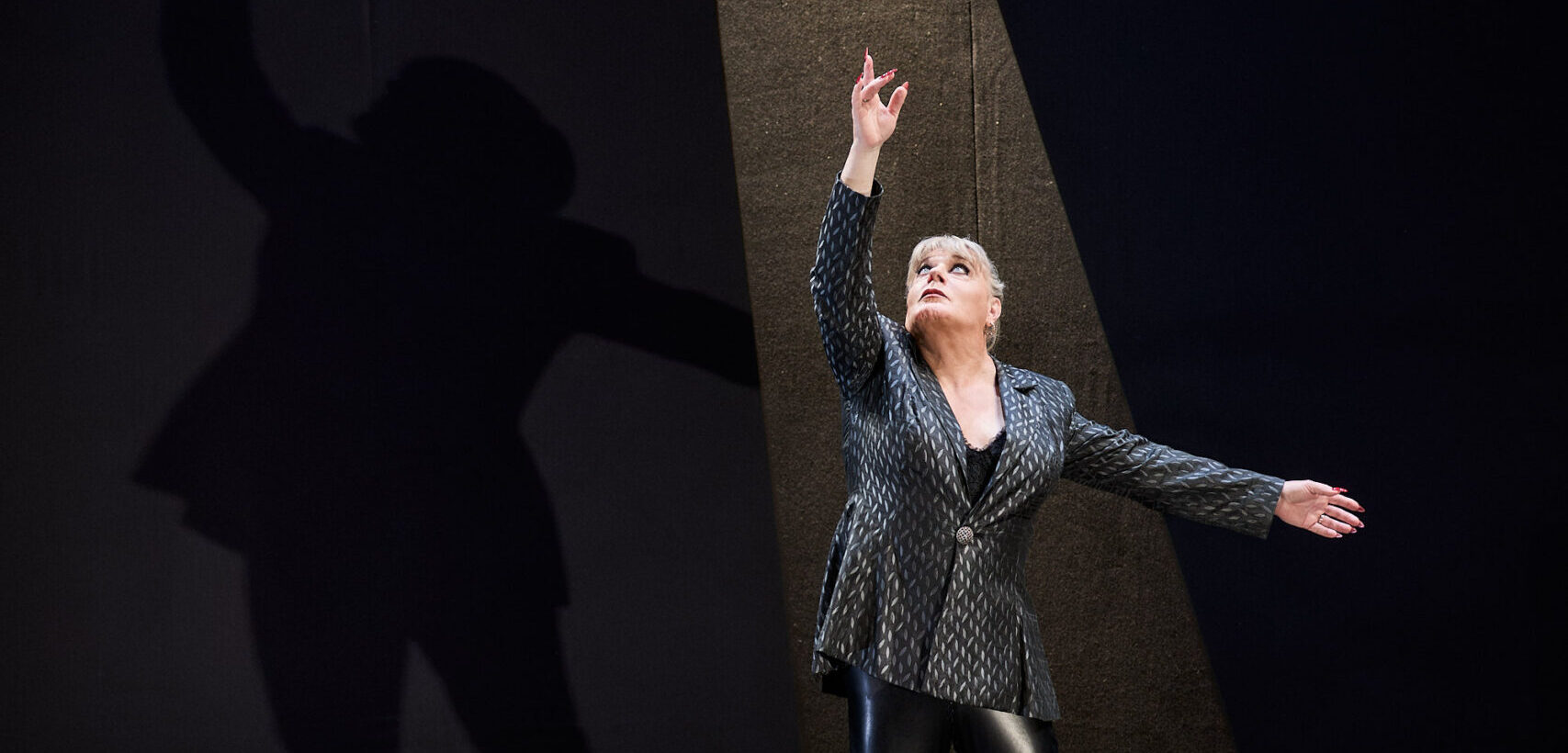
Richard Hughes (as Hamlet) takes the role of drunk actor, diving head first – often literally – into scenes disrupting the flow and oft dower mood the actors worked so hard to create. As the leading role of the play, Hughes does a brilliant job of riding the line between slapstick comedy and an earnest attempt to deliver his lines to the crowd, only to curse himself for forgetting over, and over again.
He is relentless in his drunken antics from the get-go. The troupe are introduced on stage with a booming baroque cover of ‘Believer’ by Imagine Dragons; the cast glide onto the stage committed to the seriousness of the play with their heads held high. Whilst Hughes scoots onto the stages edge, head bowed and hiccupping, swaying over the crowd, who’s hands reach forwards to brace him if he falls.
“Doubt thou the stars are fine”
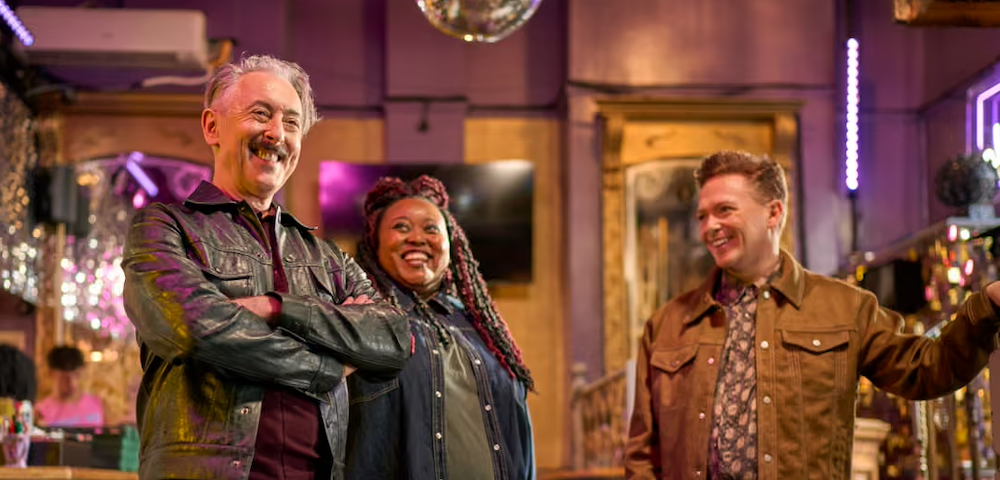
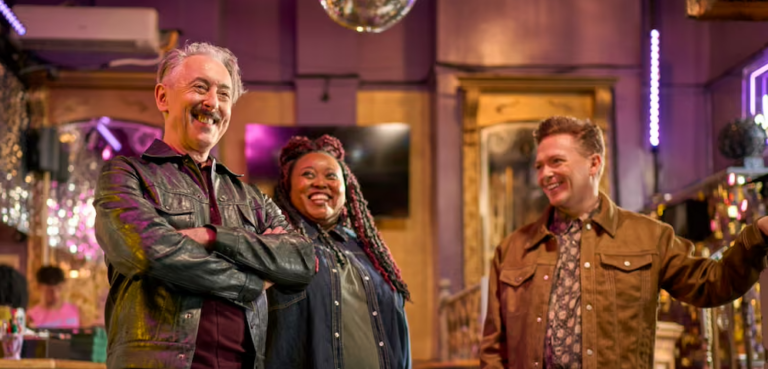
The rest of the cast (Josh Bryant Jones, Steph Cole, Charlie Keable, Shady Murphy and Aaron Phinehas-Peters) morph between many of the lead characters and extras of the play, committed to giving a proper rendition of each character whilst playing into the comedic tone. Charlie Keable as King Claudius constantly mocks Hughes for forgetting lines or getting his boot stuck on his cape toppling him over midscene, whereas Cole and Phinehas-Peters play off Hughes beautifully as Ophelia and Polonius, using Hughes blathering’s and nonsense improv to drive their character’s relationship with Hamlet.
Though, the dynamic between Josh Bryant-Jones as the emcee and Hughes is comedically the strongest out of the cast. As emcee, whenever Hughes gets too off track, Bryant-Jones is forced to freeze the scene and coax Hughes back into character, usually by berating him or grappling and dragging him back on stage, much to the audience’s delight.
Bryant-Jones is also tasked to introduce the elements for audience participation: a golden gong and confetti stick which when used, signal to the actors, the intoxicated actor must have another drink.
“… Use only when you think they’re looking dangerously sober.” Bryant-Jones says.
“To be (improv), or not to be (improv) – that is the question…”
Knowing full well that this is a rehearsed stage production, it is hard not to question the authenticity of the actors’ inebriated improvisations; yes, we saw two empty ciders and a bottle of rum almost finished, but how much of that is ‘real’ or just ‘theatre’?
It’s a double-edged sword. On the one hand, it puts the skills of the cast on full display; they effortlessly bounce off Hughes’ ad-libs and fumbled lines and maintain the flow of the scene so to keep the laughs coming. On the other hand, the ease in which they do so, or the frequency in which a moment is called back to does challenge how much of the show is improvised versus rehearsed.
Like in the climax of the classical rendition, the “to be, or not to be…” monologue reaches new heights of audience engagement. Not because they are caught up in the humanity of the scene, but because we are cheering Hughes on to get through the scene without fumbling or falling over. He shouts, “I’ve nearly got it!” as he stares into the crowd.
Though, there is no denying the marvellous improv brought to the stage by audience member Max made to play Laertes (Son of Polonius), the prompts he provides when on stage to the cast, as well as his own acting perfectly complements the chaotic dynamic of the show and even had the cast breaking character.
Even though I did leave the show uncomfortable thinking about paying to watch someone drink and ungodly amount of alcohol and perform live, I cannot deny that for the purpose of comedy, Sh!tfaced Shakespeare offered a hilarious and overly unserious rendition of Hamlet.
The show’s lowbrow slapstick and quick-witted humour made for a phenomenal piece of theatre, which would make Shakespeare roll in his grave… hopefully from laughter.