Scientists Breathe New Life Into Sydney’s Coastlines With Operation Crayweed
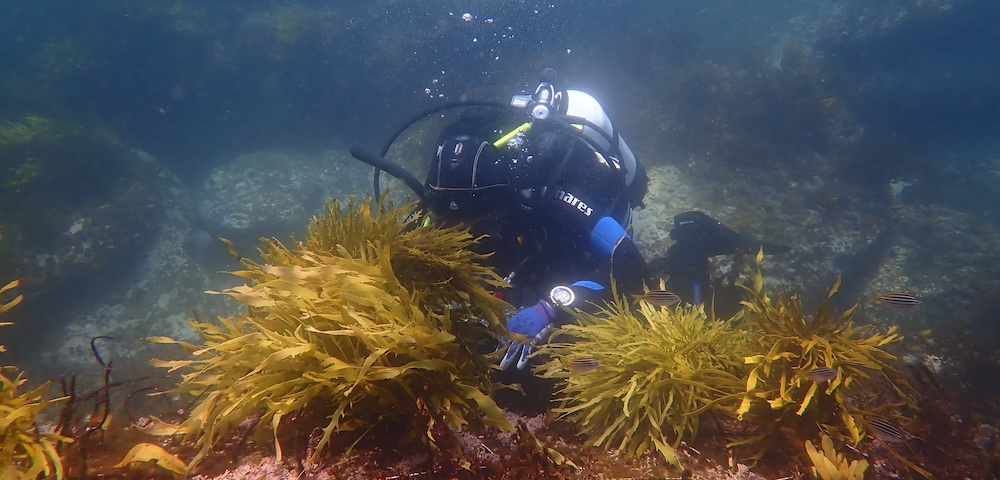
Image: Supplied
A new project is helping to restore Sydney’s lost underwater forests of crayweed, bringing the vital plant back onto our coastlines.
With support from the Minns government, the University of New South Wales is licensing more than 20 Crown land marine sites for restoration between Whale Beach to Little Bay, in what they’re calling “Operation Crayweed”.
Although crayweed is still abundant in northern and southern NSW, it disappeared from 70 km of Sydney coastline in the 1980’s, likely due to the impact of pollution. Its loss stripped local waters of a critical foundation species that provides habitat, nursery grounds and vital nutrient absorption for coastal ecosystems, supporting everything from abalone and rock lobsters to carbon capture.
The populations never recovered naturally, even after deep‑ocean outfall pipes dramatically improved water quality in the 1990s, but now scientists, volunteers, and local community members are giving them a helping hand.
Operation Crayweed will see fertile plants from strong populations transported to barren reefs and fixed onto biodegradable mats. Once they’re comfortable and established, they’ll reproduce, creating “craybies”, young plants that regenerate underwater forests naturally.
Restoration sites now span Maroubra, Wedding Cake Island, Dee Why and other key coastal locations, with some areas already experiencing crayweed booms.
“The Minns Labor Government is thrilled to support Operation Crayweed and the regeneration of seaweed forests by licensing Crown land sites for these incredible initiatives,” said lands and property minister Steve Kamper.
“Programs like Operation Crayweed build better communities by bringing experts, volunteers and locals together to make a real, tangible difference to our much loved marine environment.”
How do we name a forest?
In an Australian first, the public are being invited to name Coogee’s newly restored forest, and can vote from a shortlist of three names reflecting the species’ essential role in creating sustainable marine habitats.
The options of Yanggaa Forest, Dhanj Forest and Coogee Kelp Forest were chosen by members of the local community, alongside input from Randwick Council as well as Aboriginal community members from the Gamay Rangers.
The name “Coogee” is believed to derive from a Dharawal word referring to the smell of seaweed on the beach, while Yanggaa and Dhanj are Dharawal words meaning “lobster” and “fish” respectively.
Voting is open now, with the result to be announced April 23.
“This kelp forest is teeming with life just beneath the surface, supporting iconic species like blue groper and giant cuttlefish, while also capturing carbon and recycling nutrients,” said marine ecology professor and Operation Crayweed co-founder Adriana Verges.
“By naming it, we hope to connect people with this thriving ecosystem and inspire its protection and restoration.”