Waterloo South rezoning approved, tenants to be given ‘relocation guidelines’ in 2023
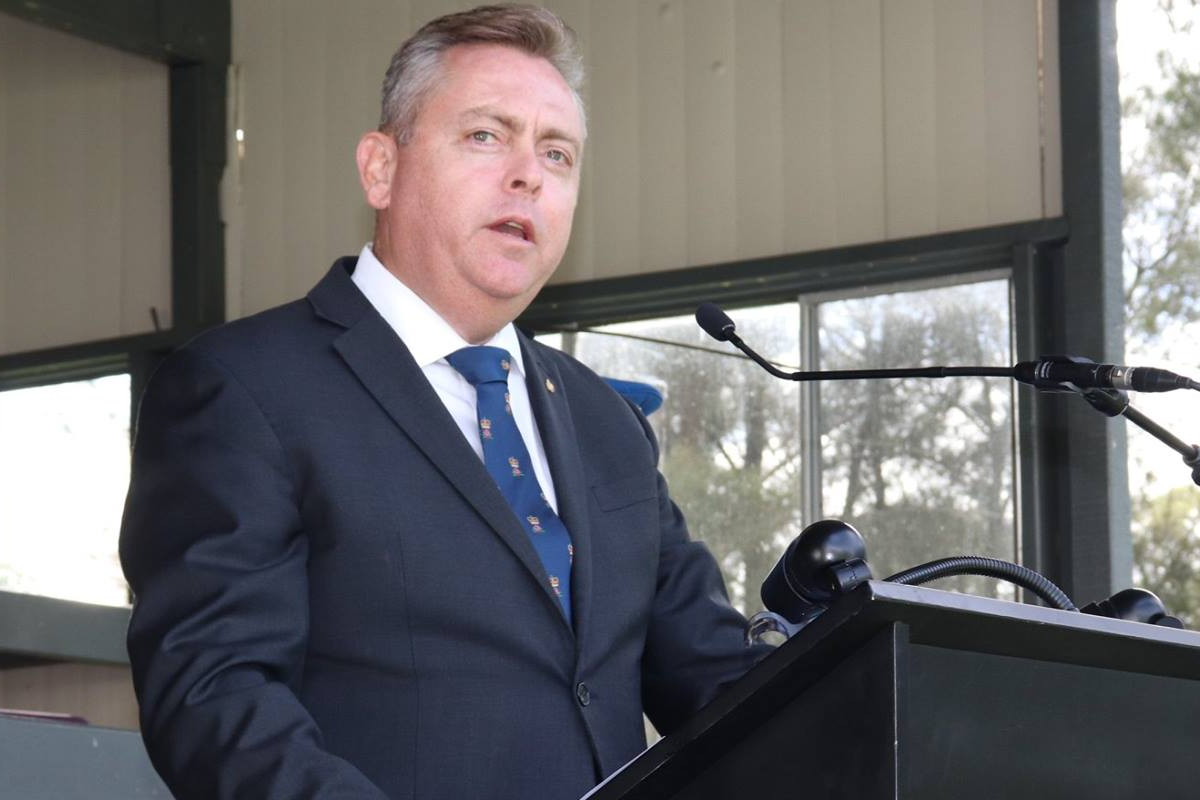
Image: NSW Planning Minister Anthony Roberts announced Waterloo South rezoning has been approved, making way for the $3 billion redevelopment of the social housing blocks. Photo: Facebook/Anthony Roberts.
By ERIN MODARO
The Waterloo south social housing rezoning has been approved, allowing the first stage of the $3 billion redevelopment of the Waterloo Estate to go ahead, which will displace hundreds of current tenants. The redevelopment of Waterloo South, a sub-precinct of the Waterloo Estate, will see 749 public homes demolished, with plans to rebuild over 3000 new residences including a provision of 847 new social housing options.

227 affordable housing options are also included in the plans, with 10% of social and affordable homes dedicated to First Nations housing.
Current Waterloo Estate tenants are expected to receive ‘relocation guidelines’ in early 2023, with the government saying they will have 6 months notice to vacate their properties.
Minister for Planning and Minister for Homes Anthony Roberts said that with the green light being given on the planning controls, “we can begin the next stage of the project and support the delivery of new social and affordable housing, as well as private homes and new public space”.
Minister for Families and Communities Natasha Maclaren-Jones said that the new injection of public and affordable housing options will support vulnerable people in finding a home.
““The NSW Government is delivering on its commitment to help everyone in NSW have a roof over their head and receive the wrap-around services they need to thrive,” she said.
Ongoing opposition to redevelopment
While the redevelopment plans will ultimately increase the total amount of social and affordable housing in the precinct, current tenants are strongly opposed to the demolition of the current Waterloo estate.
In October, ‘No Eviction’ signs were hung up around Waterloo, opposing demolition. Many community members expressed they don’t know where they will live when forced to leave their current housing.

Greens MP for Newtown Jenny Leong spoke against the state government’s plans in 2021. Leong criticised that just more than 60% of the housing is going to be turned over to the private market.
The City of Sydney Council and Lord Mayor of Sydney Clover Moore also expressed concern over the limited number of social homes being included in the redevelopment.
A stand-off occurred in 2021 between the council and then Minister for Planning Rob Stokes after the city and the Land and Housing Corporation failed to come to an agreement over the plans, resulting in Stokes giving government full control over the development process.
Next steps
Now that the planning controls have been approved, the state government will seek a renewal partner consortium for the project.
The development will be in close proximity to the new Waterloo metro station, which is expected to open in 2024. Other Waterloo locations are also seeing new developments and amenities, to account for the rapid expansion of the area, including public schools, parkland and high-density residences.