
Woollahra Becomes Latest Inner City Council To Lower Speed Limits
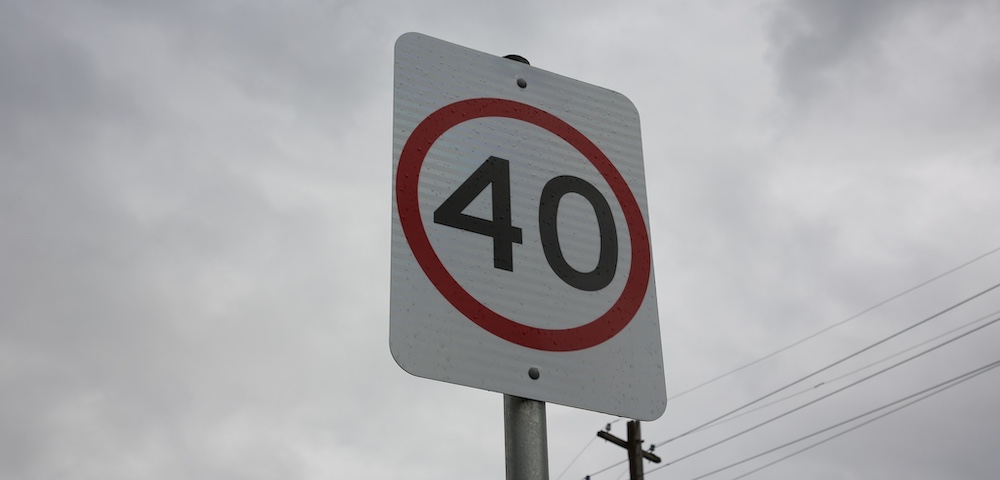
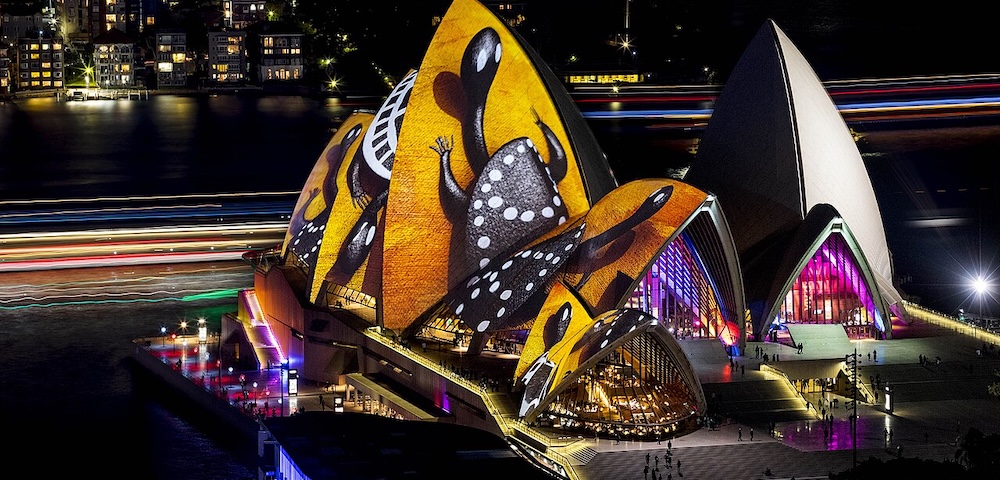
Image: Inner West Council/Facebook
The flurry of transport investment over the past decade may make one think that Sydney has a need for speed – but councils are moving to slow road traffic, with Woollahra being the latest.
Woollahra Council has now implemented 40 km/h limits across multiple streets in Rose Bay Centre and on Queen Street in Woollahra, where the limit was previously 50 km/h. The works had been announced earlier this year. In 2021, the council lowered the limit in the Double Bay shopping village.
It is not alone. Speeds have been reduced in the neighbouring City of Sydney, and in the Inner West. In fact, having slowed traffic last year to 40 km/h, the City wants to go further, taking some streets to 30 km/h. Premier Chris Minns dismissed that suggestion last year, arguing that it conflicts with Sydney’s “broader obligations” beyond local residents as a major international city.
In July this year, 40 km/h limits were introduced in the Inner West suburbs of Enmore, Tempe, Sydenham, Marrickville and parts of St Peters and Petersham. The Inner West Council told City Hub that the limit reductions aim “to significantly improve safety for all road users, particularly pedestrian and cycle safety throughout the local government area.”
“Additionally, reduced speeds will provide opportunities for improvements in the public domain streetscape and ultimately community development.”
Calls for further reductions
Crossing over, Councillor Matthew Thompson is on the City of Sydney’s Transport, Heritage and Planning Committee. He said that the City “has often led the way in opening up more of our streets to the public, such as through traffic calming initiatives, but there is still a long way to go.”
“Our neighbourhoods belong to everyone and we should be looking to open up as much of our public space to people as we can. Lowering speed limits is a big part of that. Parents should feel safe allowing their children to walk to school, or play outside.”
“We know the data supports this. A person hit by a car moving at 50 km/h only has a 10 percent chance of survival while at 30 km/h, this increases to 90 percent. This small change will make our neighbourhoods more liveable and keep us safer.”
In May, Balmain MP Kobi Shetty tabled a bill to lower speeds on local streets to 30 km/h across New South Wales.
“This bill is about creating calmer, safer, more liveable neighbourhoods,” Shetty said at the time.
“It’s about ensuring everyone is safe on our streets, regardless of whether they’re walking, riding their bike, or driving their car.”
She said the change had been done in cities across the world and that it was “time” for the state to “catch up with global best practice.”
Shetty tabled the bill during National Road Safety Week.
In March, Infrastructure Victoria released its draft 30-year strategy, which called on the Victorian Government to reduce speed limits to 30 km/h “on local streets, starting in places that children often visit including around schools, playgrounds, childcare centres and kindergartens.”