
Tram tracks and cyclists: a series of close calls
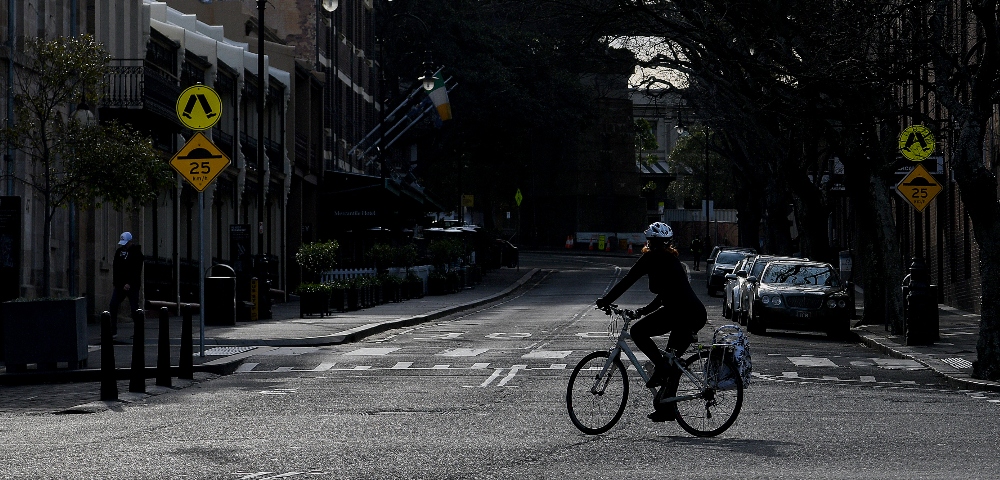
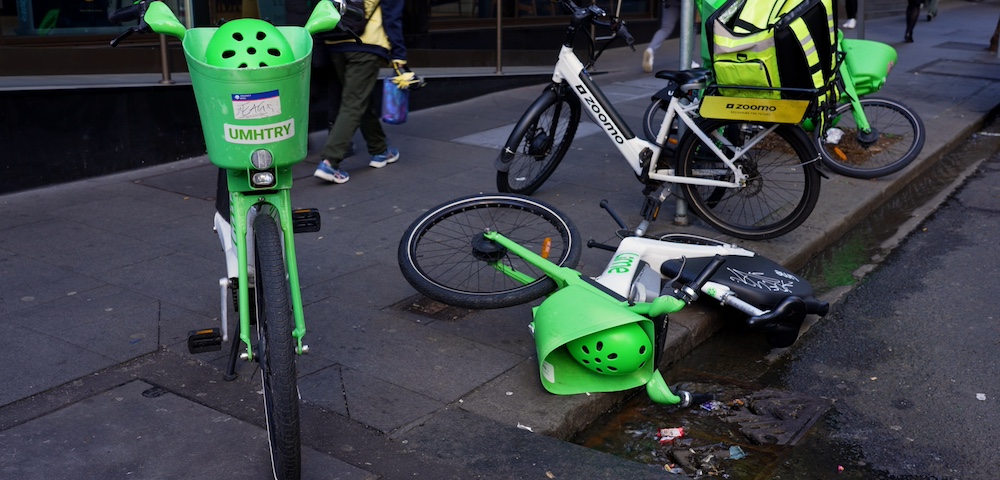
Image: Cyclist in Sydney. Photo: AAP Photos Bianca de Marchi
By KELLY O’HARE
Residents of Glebe have expressed concern regarding the dangers faced by cyclists navigating the historic tram tracks that crisscross through the Inner West suburb. This is following the 2019 ban on bicycles in certain high-traffic areas of Sydney after a cyclist tragically died in Newcastle trying to cross a tram line.
The remnants of Glebe’s former tram system have since become a point of contention. Glebe resident and experienced cyclist James Kennedy voiced his concerns about these tracks, which he considers a safety hazard for all two-wheeled vehicles.
Kennedy told City Hub, “These leftover metal tracks aren’t one of the charming heritage features of Glebe; they pose a safety hazard for all two-wheeled vehicles, with grooves that can easily catch your wheels while you’re trying to focus on riding safely and looking out for all other vehicles and pedestrians using the street.”
Kennedy suggests there are better ways to celebrate Glebe’s heritage than leaving unused tracks exposed, posing potential hazards to road users. He pointed to a captivating mural depicting Glebe trams at the corner of Glebe Point Rd & Hereford St as a more fitting homage to the suburb’s tram history.
The safety of pedestrians and cyclists has taken centre stage as surveillance cameras along Sydney’s light rail system recorded hundreds of close-calls in the past year. The New South Wales state government implemented a ban on riding bicycles in specific zones in 2019, including a stretch of George Street, after a 51-year-old cyclist died in Newcastle after getting caught in tram rails.
While concerns about cyclist safety on tram tracks prevail, it’s important to note that not all locals share the same perspective. In a comment on the Glebe Locals Facebook group a member states, “I cycled daily in Melbourne, which has countless tram tracks, without incident for several years. I never found them a hazard.”
As the local community grapples with preserving its heritage while ensuring modern safety standards, how the local council and government will address this issue remains to be seen.
In response to the bicycle ban in 2019, many cycling advocates argue that banning bicycles is not an acceptable or long-term solution to this problem. The Bicycle Network stated in an article, “It came to the knee-jerk reaction of banning riders from the route, rather than planning an alternative.”
A petition on change.org has received 534 of the 1000 goal of signatures, calling to drop the ban on bicycle riding and implement safety measures instead, such as installing SafeRail technical material and creating dedicated cycling lanes separated from traffic and pedestrians. The proposed Pitt Street cycleway, while still under construction, offers a potential alternative route from Central to Circular Quay.
In this year’s 2023 budget, NSW Labor has committed to a $60 million investment in active transport, which would double the funding available for walking and bike riding infrastructure. This will enable local councils to deliver projects that expand cycleway networks.