
Sydney Rents Up 52% In 6 Years, Tenants “Under Significant Pressure” Amidst Record Unaffordability

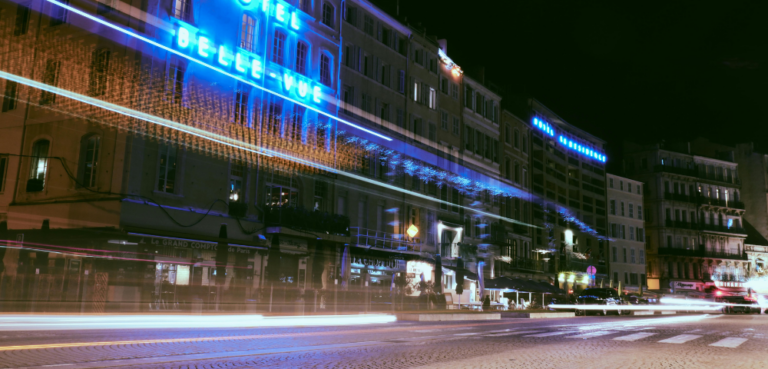
Image: Tom Rumble via Unsplash
Rents in Sydney climbed 52 per cent over the past six years, and New South Wales has further solidified its position as the least affordable state in Australia for tenants.
Those are two of the findings in REA Group’s latest Rental Affordability Report, released this month. Rental affordability in New South Wales is now at the worst level that the company has recorded, falling below the 2010-11 low point which followed the Global Financial Crisis.
A median-income household in the state could afford merely 25 per cent of rentals advertised on realestate.com.au between July and December 2025.
Most other states are not far behind. “Victoria stands out as the only exception – rental affordability actually improved in the past year, and Victoria is the most affordable state for renters.”
The premier state is usually found to be the least affordable, the exceptions being 2019-20 and 2022-23 when it was eclipsed by Tasmania.
“Renting in New South Wales has always been challenging for low-to-middle-income households – typically more so than in other states. At no time in the past 18 years has a New South Wales household earning median income been able to afford even half of advertised rentals.”
Tenants’ union says renters under increasing strain
Eloise Parrab is Policy and Advocacy Manager for the Tenants’ Union of NSW. She said that “renters continue to be under significant pressure to compete against each other for a property when looking for a new rental home.”
“Often they find themselves in a very stressful situation, worried that if they don’t find a new home in time, they’ll have nowhere to go.”
“Renters are also in a really tough situation facing rapid rent rises.” Parrab said that the organisation has seen a “significant increase” in those seeking its advice in recent years.
“Prior to COVID, around 2.5 per cent — 700 per year — of calls were about rent increases, but this has roughly tripled to around 7 per cent — 2,500 per year — of all calls to local services in the last year.”
She said that there are few hardship protections on the books to protect renters. “Current rent increase laws encourage an approach where rents can be increased based on renter’s desperation for a roof over their head.”
Around 400,000 private tenants in New South Wales receive Commonwealth Rent Assistance, but Parrab said that 46 per cent of them are still in rental stress.
“For people on lower incomes, support is available through Homes NSW or charities and can help to cover short-term rent arrears or moving costs.”
“Tranches” of legislation passed to protect renters, says Government
A spokesperson for Minister for Better Regulation and Fair Trading Anoulack Chanthivong said that the Minns Government “has passed multiple tranches of landmark legislation” to make renting fairer.
“This includes banning no-grounds evictions, limiting rent increases to once a year, making it easier to have pets in rentals, mandating fee-free ways for tenants to pay rent, extending the ban on rent bidding and prohibiting fees for background checks.”
Smart Rental Bonds, slated for launch in the middle of the year, are “the latest way this Government is delivering on its promise to deliver cost-of-living relief to renters,” they added.
“This system will allow tenants to digitally transfer their bond between properties for a small fee of $25. This means they will no longer have to find thousands of dollars for a ‘second’ bond while waiting for the previous bond to be refunded.”
The spokesperson dubbed the upcoming service a “critical cost-of-living measure.”
Meanwhile, Woollahra Council in the Eastern Suburbs is on the path to adopting affordable housing requirements, which already exist in the City of Sydney, Randwick and Waverley. Its scheme is slated to be more ambitious.

Leave a Reply