
Rival Calls For Community Feedback On New Synthetic Turf At Callan Park
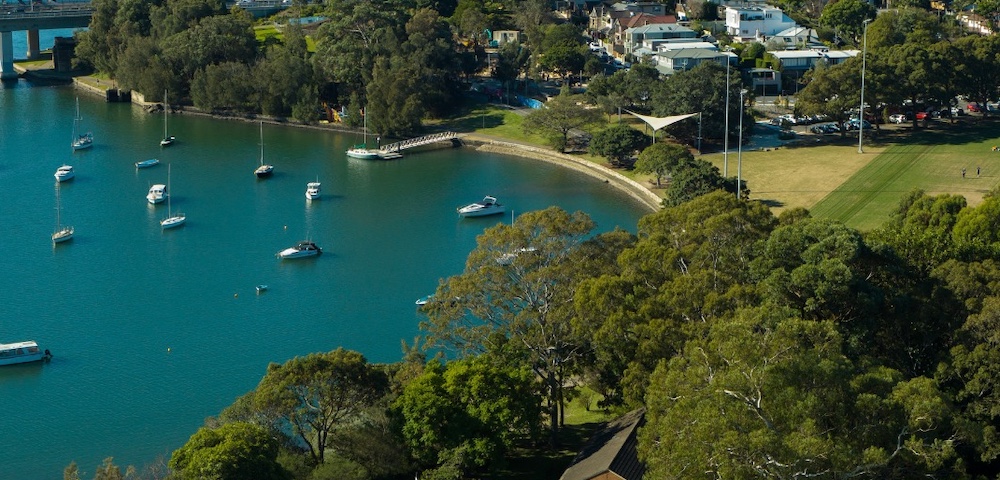
Image: Callan Park/Facebook
The Inner West Council is calling for community feedback as it pushes to deliver two new all-weather sporting fields at Callan Park, but some are still contesting the introduction of plastic into the much loved environment.
Home to the Bay Run and the site of the hotly anticipated tidal baths, Callan Park is one of Sydney’s largest urban parks, and will become increasingly important as a place to gather, relax and play as Sydney’s population expands.
As part of its development, the new all-weather fields would be located at Balmain Road and Waterfront Drive, and help to provide local clubs with high-quality, safer and reliable facilities that can be used all year-round.
Mayor Darcy Byrne is urging residents and parents of kids who need these fields to make a submission in support of the recently presented application.
“These new all-weather fields at Callan Park will be a major boost for local sport, giving people of all ages and abilities access to high-quality facilities throughout the year,” he said.
“All-weather surfaces are a proven way to deliver safe, reliable, year-round playing fields that serve our growing sporting community, while also reducing pressure on surrounding turf fields.”
Byrne says the Council has been working closely with Balmain & District Football Club and Leichhardt Saints Football Club to ensure the final design of the all-weather sporting fields reflect their needs.
“Both clubs have shown a strong commitment to growing girls’ and women’s football and creating inclusive opportunities for players of all ages and abilities,” he said. “This project also reflects Council’s ongoing commitment to increasing opportunities for female participation in sport.”
The new turf comes with an engineered base drainage system, organic infill and shock‑pad for player safety, with plans also in place to install energy‑efficient LED sports lighting at Balmain Road and new pathways and landscaping improvements.
The Development Application is now on public exhibition and can be accessed here, with submissions closing February 9, 2026.
Local park sees heated multi-year debate over its future
Plans to install synthetic turf at Callan Park faced strengthened opposition in August, with community members claiming their concerns about the incorporation of plastic into the site had been dismissed.
At the time, a spokesperson from the Council told City Hub the synthetic turf fields “will be delivered using modern technology and cork infill, which has already been successfully implemented at other all-weather surfaces in the Inner West, including at Lambert Park and Tempe Reserve.”
Local resident Louise Appel is against the installation of artificial grass, arguing that plastic is inherently damaging to the environment, especially when the shedding of microplastics are taken into consideration. She believes that changes in the Product Lifecycle Responsibility Act 2025 instituting an enforceable responsibility on manufacturers of certain goods to ensure that their products are not harmful, could help seal the park’s fate.
“We need to apply better practice to Callan Park, not wrap it in microplastic,” she told Councillors at a meeting on August 19.
“It would be quite scandalous in 2025 to take such a huge body of evidence identifying direct health implications, as well as legislation that protects the health and futures of all Australians, and ignore it in favour of corporate profit.”
Community group, Friends Of Callan Park are rallying against the changes on Saturday morning, and are also calling for community submissions to oppose the turfs.
Last year, the first-ever draft Plan of Management for Callan Park unveiled a ten-year vision to revitalise the historic Inner West green space, shaped by feedback from more than 2,000 people, community groups and organisations.
Included in its priorities for the next decade are restoring heritage items and adapting buildings for new uses, supporting Aboriginal connection to Country at Callan Point, and enhancing biodiversity and connecting to surrounding blue-green corridors.