
Local council stands up for Bondi residents in parking debate

Image: Ank Kumar/Wikimedia (creative commons license)
By ROBBIE MASON
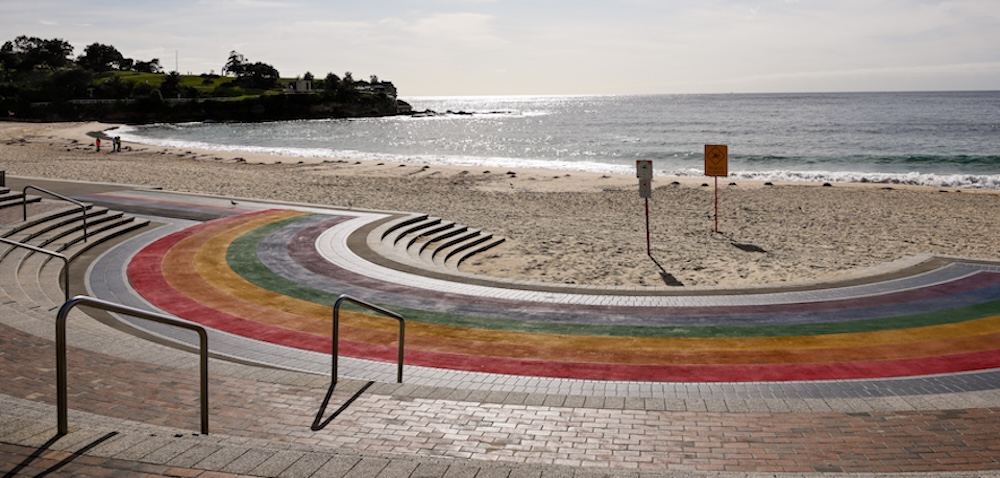
In an effort to ease traffic congestions and parking issues for local residents near Bondi Beach, Waverly Council is proposing shorter time limits for visitors parking in the area.
It is highly likely that those visiting the iconic beach will soon navigate even more difficulties securing parking.
The seaside council wants to extend a resident parking scheme in the streets surrounding Bondi Beach and impose a two-hour parking limit for non-residents.
Waverly Council Mayor Paula Masselos said, “we know how frustrating it has become for residents in these areas to find a park near their homes.”
“The introduction of a two-hour time limit for non-residents is a fair way to balance the demand for parking between residents and visitors to our neighbourhoods.”
Parking long a sensitive topic
Parking near Bondi Beach is well-known problem, and frustrated locals have a lot to say. A council spokesperson told City Hub that a local area traffic study, currently being undertaken by the council, has received 341 separate pieces of feedback.
Waverley Councillor Leon Goltsman, who represents the Bondi ward, Cr Goltsman said that over the past 12 months he has received complaints from “hundreds” of locals about on-street parking.
When it comes to solutions, “opinions and ideas vary widely”, Cr Goltsman said, “but one consistent message is the desire for residents to be heard”.
Car congestion plagues Bondi
A council spokesperson explained, “Waverley is one of the most densely populated local government areas (LGA), being 350 percent more dense than any other LGA in Australia.”
“Demand for parking spaces at our beaches often exceeds the supply of spaces, particularly during summer and on weekends which see an influx of visitors from around Sydney.”
“Council has a vision to reduce reliance on car travel, and projects such as the Bondi Junction Cycleway… The Bondi Junction Cycleway has 7613 users per week (most recent full week) and this is treading upwards.”
But Liberal Councillor Leon Goltsman suggested that the desire of Waverley Council to take cars off the road does not reflect the demand for beachside parking.
Cr Goltsman told City Hub, “In the past few years, we’ve seen a reduction in public street parking. Many spots are replaced with car-sharing zones, parklets, and expanded sidewalks. While these changes have some benefits, they make parking more difficult.”
In recent years, most councils across the inner city have moved towards pedestrianisation, favouring bicycle lanes and boosts to curbside tree canopy cover, as councils try to curb greenhouse gas emissions amid worsening climate conditions.
But bicycle infrastructure and altered sidewalks have received hostility in certain locales.
Addressing the possibility that altered parking rules may deter Sydney’s lower socioeconomic residents from visiting the glamorous area, Cr Goltsman emphasised the importance of Bondi maintaining a “welcoming reputation”.
“It’s not so much that shorter time limits will deter visitors; instead, they may add to their frustration,” he said.
“Imagine someone travelling for 3 hours, navigating traffic, and bearing tolls and fuel costs, only to find limited and expensive parking. Then, add the pressure of time constraints and the potential risk of hefty parking fines. Such circumstances can overshadow a joyful day at the beach with family and friends.”
“We need to consider the entire experience from the visitor’s perspective,” he continued.
Parking at Bondi Beach is notoriously expensive with the cost of parking in some sections of the surrounding streets exceeding parking costs in Sydney’s CBD. Many drivers pay as much as $10 per hour to secure a spot close to the beach.
As previously reported by City Hub, the privatisation of bus services in the city’s eastern suburbs – a legacy of the former Coalition state government – has limited the accessibility of the region via public transport.
A scathing report released by a government-commissioned taskforce last month laid bare the failings of bus privatisation across NSW. That investigation illuminated a network rife with delays, cancellations, chronic understaffing and appalling working conditions.