
International Students Pushed Into Dodgy Accommodation, Institute Warns
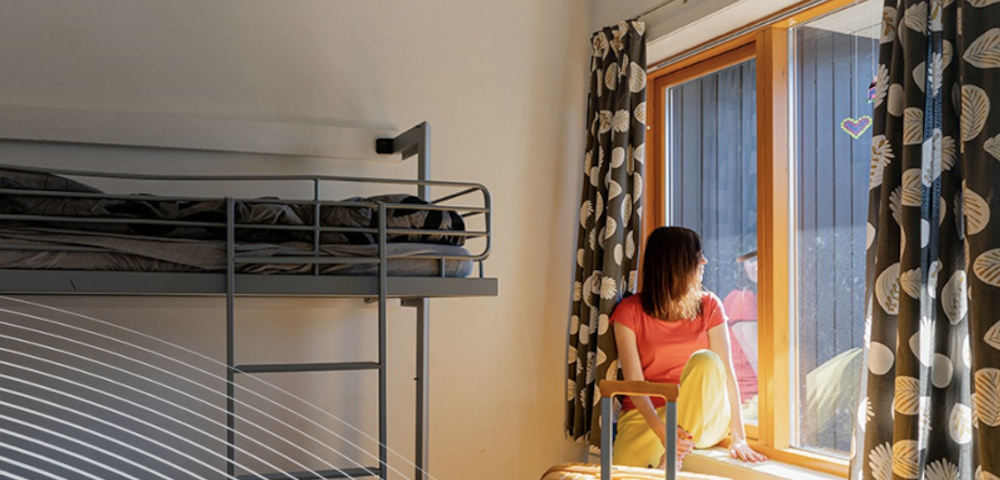
Image: Australian Housing and Urban Research Institute/Instagram
A report by the Australian Housing and Urban Research Institute (AHURI) warns that international students are turning to informal housing, further illustrating the impact of the housing crisis.
Published on 20 November, the research found that overseas students and those on working holiday visas – and others, including women suffering from domestic violence – are vulnerable to exploitation.
Informal housing is that which does not abide by government regulation. Such accommodation is freely advertised online, including on Facebook Marketplace and Gumtree.
The report says that the vulnerability of temporary migrants, including international students, may be combatted by changing which parts of government are responsible for the provision of accommodation. This could result in migration and housing supply being better calibrated.
“Responsibility for housing temporary migrants could rest with the government departments responsible for the different visa groups rather than with housing authorities.”
“This could open the way for educational providers to play a stronger role in supporting international students, for whom housing is a major issue.”
Associate Professor Debbie Faulkner, who authored the report, said that Australia collects “very little data on international students’ experiences.” As such, it is “difficult to estimate” just how many resort to informal housing.
Affordable uni housing needed – domestic students also impacted
Billy Scharzenberger Moran is the president of the Students’ Representative Council at the University of New South Wales. He said that he knows students “who have had to scramble to find alternative accommodation because of issues, especially including the condition of the property.”
Responding to a question by the City Hub, he said that domestic students “can experience the same issues as well, and these issues can occur regardless of whether they are in informal housing.”
“University accommodation should definitely be more affordable and available, the latter of which will take time. Universities also need to make this accommodation more appealing.”
“When looking for places to stay on campus only a few years ago, I was unable to find any air-conditioned units at all, which is troublesome, particularly in summer,” Moran recounted.
“Universities need to drastically increase housing supply and density to allow for both affordable and dignified housing. They should do a thorough forecast into how much demand there will be for this housing and prepare accordingly.”
“Governments also need to ensure rentals are meeting a minimum set of standards, as well as enhancing tenant rights.”
University calls for “collaborative effort” with government and providers
Nicole Gower, Vice President (Operations) at the University of Sydney, said that the university wants “all students to have access to safe and affordable accommodation.”
The university offers “low-cost dormitory accommodation, emergency accommodation and financial bursaries to help cover rent, food, and other general living and study expenses,” alongside advice and available support, she said.
But, more can be done. “Collaborative effort between governments, the sector and student accommodation providers is needed so we can all contribute productively to address this issue.”
“One thing that would help is for university-run accommodations to be considered ‘affordable housing’ under state planning laws. We’re not-for-profit and make up one of the area’s largest accommodation owners, providing housing 25 percent cheaper than the market.”
Gower said that if the university “could fast-track student accommodation developments and obtain planning control relief, density bonuses and exemptions from development contributions, we could increase affordable local accommodation by at least 20 percent.”
The university has made progress in the past decade, she told this masthead.
“We’ve invested significantly in building affordable student accommodation since 2015, and operate a number of University-owned accommodations with some of the lowest rents on the market. We want to support more students and are looking to expand our owned-accommodations over the next five years.”
The university abandoned plans to sell its Darlington terraces last year. The towering International House, which used to accommodate 200 students from both Australia and elsewhere, has been empty since 2021, pending renovations.